Mangrove Snapper
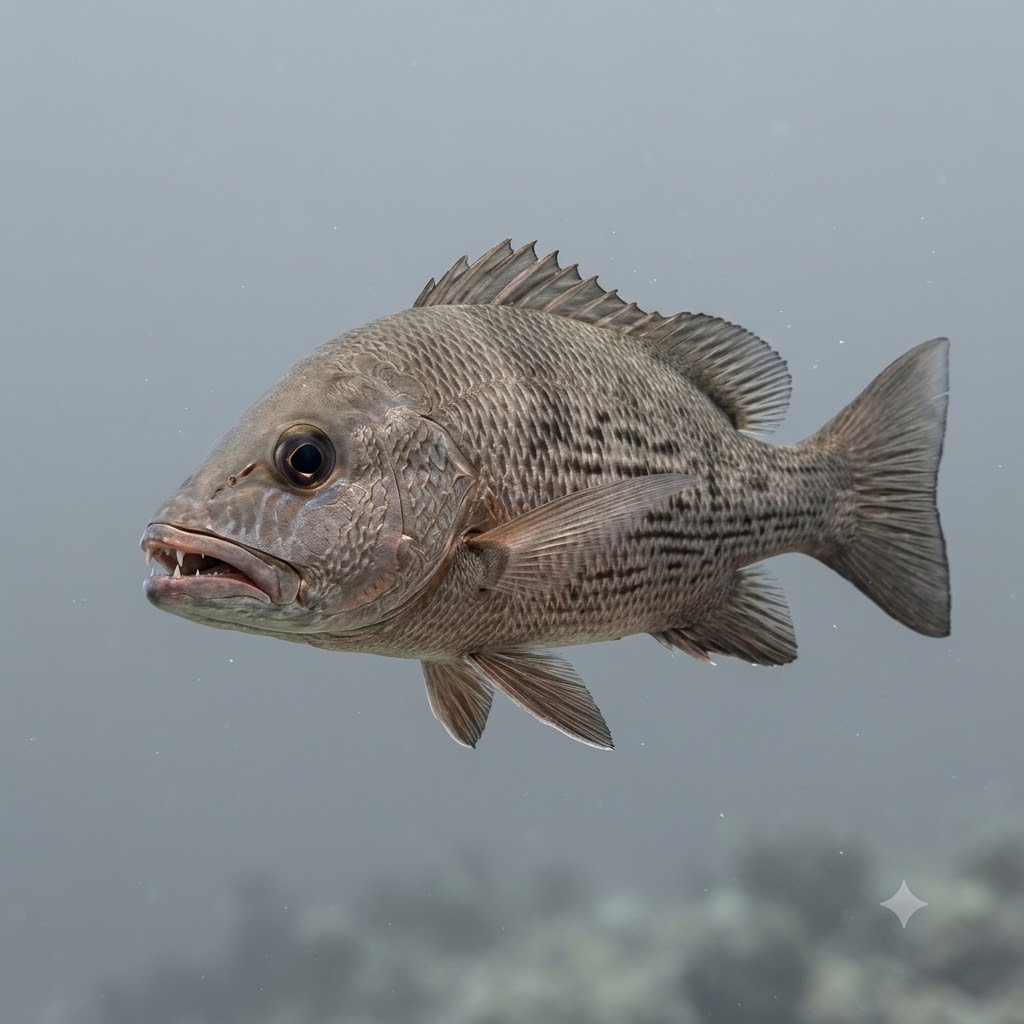
The mangrove snapper - also known as the gray snapper - is a smart, structure-loving inshore and nearshore snapper that punches well above its weight in both fight and flavor.
🗓️ Last reviewed: July 2026
Overview
The mangrove snapper - also known as the gray snapper - is a smart, structure-loving inshore and nearshore snapper that punches well above its weight in both fight and flavor. Found around docks, bridges, mangrove shorelines, jetties, wrecks, and reefs, it is one of the most accessible members of the snapper family, catchable by kids off a dock or by offshore anglers on a reef. Mangroves are famously wary; pressured fish grow downright suspicious of heavy leaders and clumsy presentations. Fool them and you are rewarded with a hard, drag-pulling fight as the fish bolts for the nearest snag, and with some of the finest white-fleshed table fare in saltwater. Light fluorocarbon leader, a lively shrimp, and a stealthy approach are the keys, which is why the mangrove is a Florida and Gulf favorite.
Identification & Appearance
Mangrove snapper are typically gray to grayish-brown or reddish, often with a coppery cast, and can shift shade with mood and habitat - fish over reefs tend to run redder, while dock and mangrove fish are grayer. The body is the classic snapper shape, moderately deep and streamlined, with a pointed snout and a large mouth armed with sharp canine teeth near the front of the upper jaw. A faint dark stripe may run through the eye on younger fish. They are sometimes confused with other snappers and young grouper, but the snapper profile, prominent canine teeth, and gray coloration help identify them. Size varies widely, from small dock fish to thick, heavy-shouldered adults out on the reefs.
Range & Habitat (US waters - inshore / offshore)
Mangrove snapper are common in the warm waters of the Southeast US, especially Florida, and throughout the Gulf of Mexico, ranging up the Atlantic coast in warmer months. Florida is the heart of the fishery.
They are a structure fish above all. Inshore and nearshore, mangroves crowd around mangrove-root shorelines, dock and bridge pilings, seawalls, jetties, channel edges, and any submerged structure. As they grow, larger fish move offshore to patch reefs, ledges, wrecks, and deeper hard bottom, while juveniles use estuaries, seagrass, and mangrove nurseries. Wherever there is hard structure holding bait in warm coastal water, there is a good chance mangrove snapper are nearby.
Behavior & Feeding
Mangrove snapper are wary, structure-oriented ambush predators. They hang tight to cover and dart out to grab shrimp, small crabs, and baitfish, then rush straight back to the snag. They feed by sight and are notably cautious, especially in clear water and under fishing pressure - they will follow a bait, inspect it, and refuse it if something looks off, such as a heavy leader. They often feed more confidently at night, and around dock lights they pick off shrimp drawn to the glow. Moving tide switches them on. Hooked fish fight hard and immediately try to reach cover, which is why they demand a firm early hand.
Best Seasons & Times to Catch
Mangrove snapper can be caught year-round in the warm waters of Florida and the Gulf, but summer is often the peak inshore and nearshore season, coinciding with a summer spawning aggregation when larger fish gather on reefs and wrecks. Night fishing is especially productive, as these wary fish feed more freely in the dark, and dock and bridge lights create reliable low-light bites. A moving tide at dawn, dusk, or after dark is prime. Regulations, including any seasonal considerations, can vary, so check current rules before you fish.
Where to Find Them - Reading the Water
Fish the structure. Inshore, target dock and bridge pilings, mangrove-root shorelines, seawalls, jetty rocks, and channel edges - anywhere hard cover breaks the current and holds bait. Dock lights at night are magnets for feeding fish, so work the shadow line at the edge of the glow. Nearshore and offshore, focus on patch reefs, ledges, wrecks, and hard bottom holding bait. Present your bait up-current so it drifts naturally back to the structure, and because mangroves bolt for cover when hooked, position yourself to pull them away from the worst snags.
Tackle & Rigs
For inshore and dock mangroves, a 7-foot medium or medium-light spinning rod with a 2500-4000 reel is a good match, spooled with 10-20 lb braid. The single most important element is a light fluorocarbon leader - often 15-30 lb - because these fish are leader-shy and a thinner, near-invisible leader dramatically increases bites in clear water. Keep it as light as the structure allows.
A simple approach is a small hook - often size 1 to 2/0 - fished with just enough weight to reach the fish, whether a split shot, knocker rig, or small egg sinker. Free-lining a live shrimp with no weight is deadly around dock lights. For bigger offshore mangroves on reefs and wrecks, step up to heavier spinning or conventional gear and stronger leader, but still favor fluorocarbon and the lightest rig you can get away with. Hide the hook in the bait.
Best Baits & Lures
Live bait is king. A lively shrimp is the classic and often the best bait, especially free-lined or lightly weighted around structure and lights. Small live baitfish such as pilchards and pinfish also excel for larger fish. Fresh cut bait - strips of squid, threadfin, ballyhoo, or cut fish - produces well, especially at night and on reefs. Mangroves will hit artificials too: small jigs, soft plastics, and bucktails near structure can draw strikes. In clear water and under pressure, though, a natural live bait on light fluorocarbon usually out-fishes everything else.
Techniques - How to Fish for It
Stealth and light leader win the day. Approach structure quietly and present bait up-current so it drifts naturally toward the fish. A favorite technique is free-lining a live shrimp near dock lights or along mangrove roots at night, letting the current carry it into the strike zone with no weight to arouse suspicion. When you get bit, react fast: mangroves dive straight for cover, so lean into the fish immediately and turn its head away from the snag, then keep steady pressure to lead it into open water. Chumming with small pieces of bait can draw wary fish out of the structure and make them less picky. If fish are following and refusing, downsize your leader and hook and try a fresher bait.
Common Mistakes
The most common mistake is using leader that is too heavy; mangrove snapper are leader-shy, and switching to lighter fluorocarbon often turns refusals into bites. Fishing only in bright daylight and skipping the productive night and dock-light bite is another miss. Being too slow on the hookset and the initial fight lets these fish reach cover and break off, so react quickly and turn their heads early. Sloppy, noisy approaches spook wary fish in clear water. Finally, a visible or oversized hook, or old washed-out bait, invites inspection and refusal - hide the hook and keep bait fresh and lively.
Size, Records & Eating Quality
Mangrove snapper range from small dock-sized fish to substantial reef fish that are thick across the shoulders, with offshore adults growing considerably larger than the little ones common around inshore lights. They are not the giants of the snapper family, but a good-sized mangrove is a stout, satisfying fish. Where they truly shine is on the table: the flesh is white, firm, mild, and clean-tasting, widely regarded as some of the best eating in saltwater, superb grilled, fried, blackened, or baked. Because snapper are managed with size and bag limits that vary by region, and some areas have seasonal openings and closures, always check the current local size, bag, and season rules before keeping fish.
Pros & Cons (as a target species)
Pros: Accessible from docks, bridges, jetties, and reefs; hard-fighting for their size; excellent, prized white-fleshed table fare; great night and dock-light action; a rewarding challenge for anglers who enjoy outsmarting wary fish. Cons: Wary and leader-shy, so they demand light tackle and stealth; dive hard for cover and break off easily; best fishing is often at night; subject to size, bag, and seasonal regulations that require checking.
Best Suited For
Mangrove snapper suit a wide range of anglers. Beginners and kids can catch smaller ones off docks and bridges with simple gear and a shrimp, while more experienced anglers relish the finesse challenge of fooling big, wary mangroves on light fluorocarbon around lights and reefs. They are ideal for anglers who enjoy structure fishing, night sessions, and the reward of a top-quality meal - accessible action with a genuine test of skill and a delicious payoff.
FAQ
Why won't the mangrove snapper bite my bait? They are wary and leader-shy. Switch to a lighter fluorocarbon leader and smaller hidden hook, use fresh or live bait, and present it naturally with the current.
Are mangrove snapper good to eat? Yes, they are excellent. The flesh is white, firm, and mild, considered some of the best table fare in saltwater.
What is the best bait for mangrove snapper? A live shrimp is the classic top bait, with small live baitfish and fresh cut bait like squid also working very well around structure and lights.
Why do I keep getting broken off? Mangroves dive straight for cover when hooked. React quickly, turn the fish's head away from the structure immediately, and keep steady pressure to lead it into open water.
Do I need a boat to catch mangrove snapper? No. They are readily caught from docks, bridges, seawalls, and jetties, and dock lights at night are some of the best spots for shore anglers. A boat expands your reach to reefs and wrecks.