Mutton Snapper
The mutton snapper is one of the most prized reef and flats snappers in the tropical western Atlantic, combining the wariness of a bonefish with the raw pulling power of a snapper.
🗓️ Last reviewed: July 2026
Overview
The mutton snapper is one of the most prized reef and flats snappers in the tropical western Atlantic, combining the wariness of a bonefish with the raw pulling power of a snapper. That mix makes hooking a big "mutton" on light tackle one of the most satisfying challenges in inshore saltwater fishing. Muttons roam a wide range of habitats - shallow grass flats, patch reefs, deep ledges, wrecks, and channel edges - so anglers can chase them by sight in a foot of water or bounce a bait down deep on a reef. They fight hard and dirty, running for structure the instant they feel the hook, and they are among the finest-eating snappers of all, with clean, white, flaky fillets. Spooky, powerful, and delicious, the mutton rewards a careful approach.
Identification & Appearance
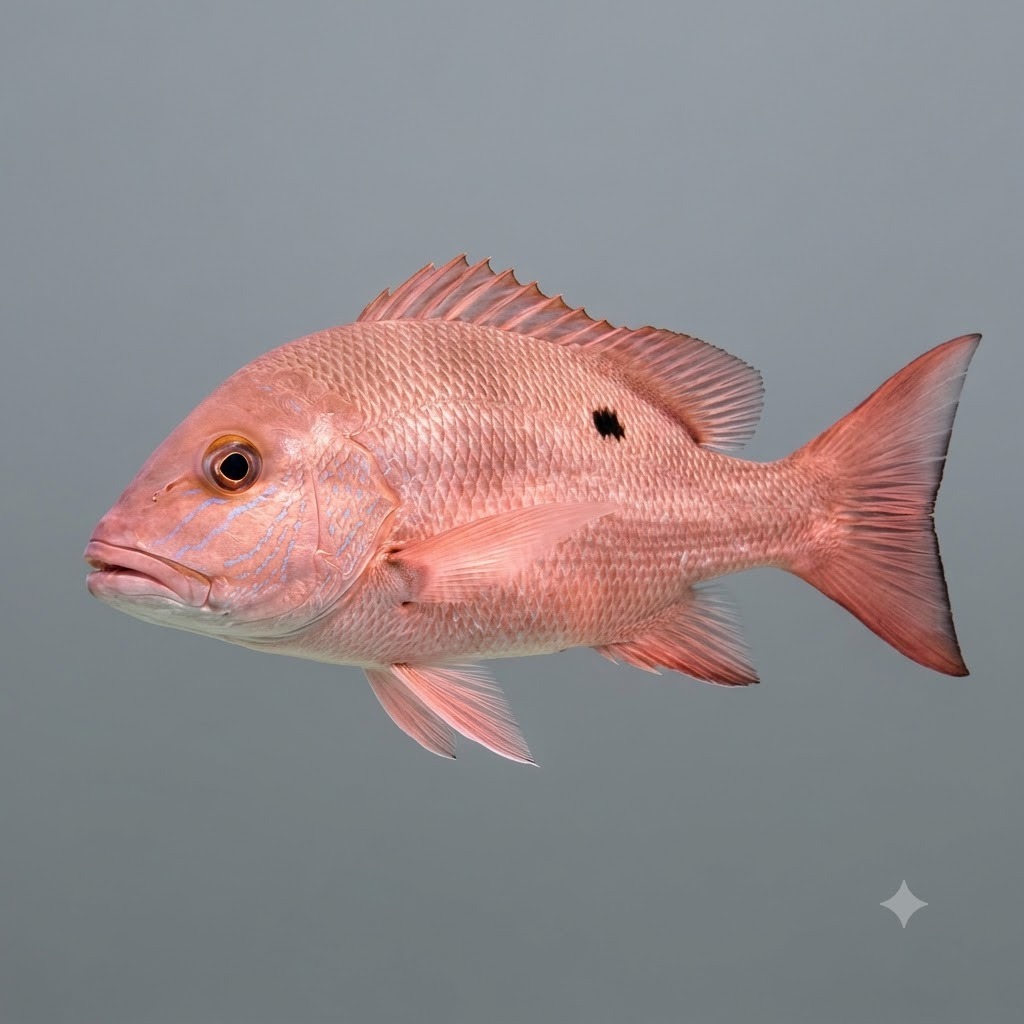
Mutton snapper are a handsome, deep-bodied snapper, olive to reddish on the back and fading to rosy or coppery pink on the flanks and belly, and feeding fish over the flats often flush a brilliant red. Two reliable field marks set them apart: a small black spot high on the back below the rear of the dorsal fin, and faint blue lines across the cheek and gill cover. The tail is distinctly V-shaped and edged in black, and the anal fin comes to a pointed tip. Larger fish are heavy through the shoulders with a blunt, powerful head, and their colors are vivid in clear water, darker on deeper reefs.
Range & Habitat (US waters - inshore / offshore)
In US waters, mutton snapper are most common around South Florida, the Florida Keys, and the reefs and flats of the tropical southeast, ranging up the Atlantic coast in warmer months and throughout the Gulf's southern reaches. They are a warm-water fish that thrives where clear tropical water meets structure.
Inshore, muttons cruise grass flats, sandy patches, and shallow patch reefs, often in surprisingly skinny water. Along the reef line, larger fish hold on deeper ledges, coral heads, channel edges, and wrecks, frequently sitting just off the structure in the sand where they ambush prey. They favor moving water and clean bottom near cover, sliding up onto the flats to feed on a strong tide.
Behavior & Feeding
Mutton snapper are cautious, sharp-eyed predators that feed on shrimp, crabs, and small fish. Their wariness is legendary - a heavy leader or sloppy presentation sends them off without a look. On the flats they hunt much like a bonefish, cruising and tailing over sand and grass; around the reef they hold near structure and pick off baitfish and crustaceans washed by the current. They rely heavily on eyesight, so light, clear fluorocarbon and a natural drift matter enormously. When hooked, a mutton's first instinct is to bolt for the nearest rock, making the fight a fast, powerful test of drag and angle.
Best Seasons & Times to Catch
Muttons can be caught year-round in South Florida and the Keys, but the fishing peaks in the warmer months, from late spring through summer, when fish aggregate to spawn around the reefs and full-moon periods draw them together. On the flats, warm, calm, clear days give the best sight-fishing. A strong moving tide switches the fish on, and low-light windows around dawn and dusk make wary muttons less cautious and more willing to eat.
Where to Find Them - Reading the Water
Look for muttons where clean water and structure come together. On the flats, watch for cruising or tailing fish over light sand patches between grass, near channel edges, and along the drop-offs into deeper water; a pushing wake, a puff of sand, or a flash of pink gives a fish away. Around the reef, target the sandy edges just off coral heads, ledges, and wreck margins rather than the thickest structure, since muttons often sit in the open sand nearby. Current-swept points and channel mouths concentrate feeding fish.
Tackle & Rigs
For flats and light-tackle work, a 7- to 7.5-foot medium spinning rod with a 3000-4000 reel, 10-20 lb braid, and a long 15-30 lb fluorocarbon leader is ideal - the light, clear leader is essential for fooling wary fish. For deeper reef and ledge fishing, step up to a medium-heavy rod, a 4000-6000 reel, 20-40 lb braid, and a 30-50 lb leader to handle bigger fish and structure.
A simple, deadly rig is a knocker rig or a light egg sinker sliding down to the hook, letting a live shrimp or baitfish drift naturally to the bottom. On the flats, many anglers fish a bait or jig on a bare hook with little or no weight for the stealthiest presentation. Use just enough lead to hold bottom in the current and no more, because muttons drop a bait that feels unnatural.
Best Baits & Lures
Live bait is the top producer: live shrimp is the classic mutton bait, along with pinfish, small pilchards, ballyhoo, and crabs, presented on light fluorocarbon. Cut bait and fresh strips also work on the reef, where scent helps draw fish from structure.
Among artificials, bucktail jigs and soft-plastic shrimp or crab imitations tipped with bait are effective, especially bounced slowly along a sandy edge or worked in front of a cruising flats fish. Natural, translucent colors that imitate shrimp and small crustaceans generally outproduce bright, gaudy patterns for this cautious species.
Techniques - How to Fish for It
On the flats, sight-fishing is the purest method: pole or wade quietly, spot a cruising or tailing fish, lead it so the bait settles softly in its path, then give the smallest twitch as it closes. Muttons spook easily, so stealth and an accurate cast are everything. On the reef, drift or anchor up-current of a ledge or coral head and let a lightly weighted live bait tumble into the zone, keeping just enough contact to feel the bite. When a mutton eats, come tight smoothly and immediately put maximum pressure to turn its head from structure - the first few seconds decide whether you land it or get broken off.
Common Mistakes
The biggest mistake with muttons is using too heavy a leader; their eyesight is superb, and a thick, stiff leader costs you bites. Too much weight makes the bait drift unnaturally and feels wrong to a cautious fish. On the flats, moving too fast and casting on top of a fish sends it fleeing - always lead it. Once hooked, hesitating on the initial fight lets the fish reach structure and cut you off, so apply hard pressure early. Finally, slack water is a quiet killer; without a moving tide, wary muttons often refuse to feed.
Size, Records & Eating Quality
Mutton snapper commonly run a few pounds up to the low teens, with better reef fish reaching the mid-teens and the largest specimens growing considerably heavier and measuring well over two feet. They are strong, dogged fighters that punch above their weight, and on the table they are outstanding - white, mild, sweet, flaky meat that ranks among the very best of all the snappers. Snapper regulations, including size, bag limits, and seasonal closures, vary by region and change over time, so always check current local limits before keeping any fish.
Pros & Cons (as a target species)
Pros: Hard-fighting and powerful for their size; found across flats, patch reefs, and deep ledges; catchable by sight-fishing or bottom fishing; excellent, top-tier eating; a rewarding light-tackle challenge. Cons: Extremely wary and easily spooked; demand light leaders and careful presentation; bolt straight for structure and break off easily; bite is strongly tide-dependent; subject to regulations that vary by area.
Best Suited For
Mutton snapper suit the angler who enjoys a technical challenge - the sight-fisher stalking a spooky fish on a shallow flat, and the reef angler finessing a light bait down to structure. Because they demand stealth and a good presentation, they are especially satisfying for intermediate and advanced anglers, though a patient beginner with live shrimp can hook one. Anyone who values a hard fight paired with a superb meal will love the mutton.
FAQ
Is mutton snapper good to eat? Yes - it is one of the best-eating snappers of all, with clean, white, mild, sweet, flaky meat that is excellent grilled, fried, or baked.
Why are mutton snapper so hard to catch? They have excellent eyesight and are naturally cautious, refusing heavy leaders, unnatural baits, and sloppy presentations. Light fluorocarbon and a careful cast are the key.
Can you catch mutton snapper on the flats? Yes. Smaller and mid-sized muttons cruise shallow grass and sand flats and can be sight-fished like bonefish with a lightly weighted shrimp or jig.
What is the best bait for mutton snapper? Live shrimp is the classic go-to, along with pinfish, small pilchards, ballyhoo, and crabs presented on light fluorocarbon leader.
Do I need heavy gear for mutton snapper? Not on the flats, where light spinning tackle works well. On deeper reefs and ledges, step up to medium-heavy gear so you can turn a big fish away from structure quickly.