Yellowtail Snapper
The yellowtail snapper is a sleek, fast, beautiful reef snapper with a devoted following among South Florida and Keys anglers.
🗓️ Last reviewed: July 2026
Overview
The yellowtail snapper is a sleek, fast, beautiful reef snapper with a devoted following among South Florida and Keys anglers. Unlike bottom-hugging snappers, yellowtail feed up in the water column, rising off the reef into a chum slick to pick off drifting morsels - a uniquely visual and interactive style of fishing. They are streamlined and quick, pulling hard on the light tackle they demand, and they can be caught in numbers when a good bite gets going. Add their reputation as one of the finest-eating fish on the reef - clean, white, and delicate - and it is easy to see why "yellowtailing" is a beloved tradition.
Identification & Appearance
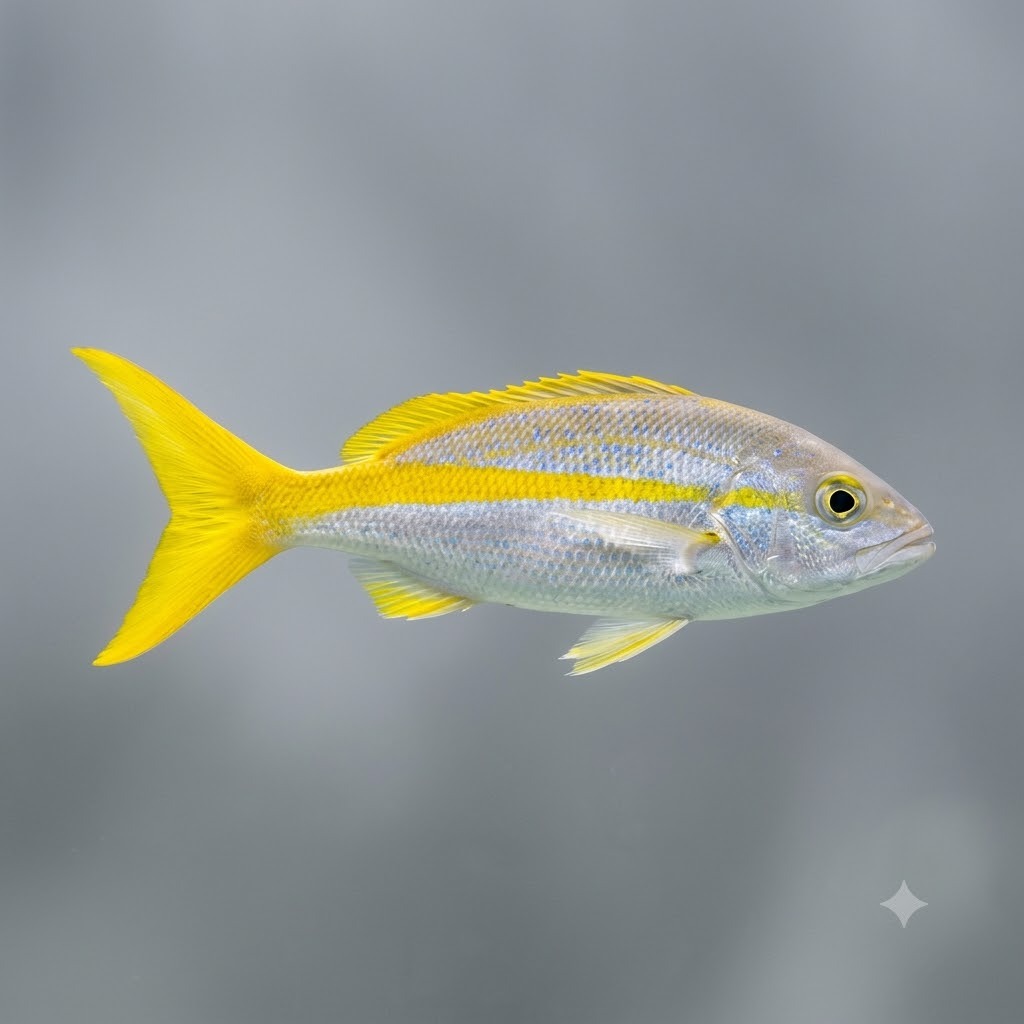
The yellowtail snapper is unmistakable: a slim, streamlined snapper with a bluish to olive back scattered with yellow spots, silvery sides, and a bold yellow stripe that runs from the snout through the eye and widens as it sweeps back to a deeply forked, brilliant yellow tail. That vivid tail and stripe give the fish its name and make it easy to identify at a glance. The body is more slender and torpedo-shaped than the deeper-bodied mutton or mangrove snappers, built for speed in the current. Their large eyes suit a sight-hunter, and their colors are especially electric in the clear tropical water they favor.
Range & Habitat (US waters - inshore / offshore)
In US waters, yellowtail snapper are centered on South Florida, the Florida Keys, and the tropical reefs of the southeast, extending into the southern Gulf. They are a warm-water reef fish that thrives in clear water over coral and hard bottom.
Rather than inshore flats, yellowtail are creatures of the reef and hard bottom, from shallow patch reefs to deeper reef edges and ledges. They gather over coral heads and rocky bottom in loose schools, suspending off the bottom in the current where food drifts to them. The best areas combine coral or rocky structure with clean, moving water. During a good bite, yellowtail rise high in the water column, sometimes near the surface, following a chum slick well behind the boat.
Behavior & Feeding
Yellowtail snapper are active, current-oriented feeders that eat shrimp, small crustaceans, small fish, and drifting plankton. Their defining behavior is the willingness to leave the bottom and rise into the water column to feed, especially when drawn by a steady stream of chum: a good slick can bring a whole school up behind the boat, competing for drifting baits. They can be finicky, rejecting anything unnatural - a heavy leader or visible weight thins the bites fast. As sight feeders in clear water, they reward a light, nearly invisible presentation drifted at the chum's speed.
Best Seasons & Times to Catch
Yellowtail can be caught year-round on the reefs of South Florida and the Keys, with excellent fishing through the warmer months. Many anglers find that low-light periods and nighttime produce the biggest yellowtail, as larger, warier fish feed more boldly in dim light. A moving current is essential - slack tide usually shuts the bite down, because the whole method depends on a slick and baits drifting away from the boat. Calm to moderate conditions that let you hold position and maintain a steady slick fish best.
Where to Find Them - Reading the Water
Yellowtail live over reef and hard bottom, so start by locating coral heads, reef edges, ledges, and rocky bottom in clear water. The key is current: position the boat up-current so your slick and drifting baits sweep back over the reef where the fish hold. On a strong bite you will often see the yellowtail flashing and rising in the chum, and the sweet spot is wherever they stack in the drifting food line, which may be well behind the transom. Structure, clean moving water, and a steady chum flow are the whole formula.
Tackle & Rigs
Yellowtail fishing is light-tackle fishing. A 7-foot light to medium spinning rod with a fast tip, a 2500-4000 reel, 8-15 lb braid or mono, and a long 12-20 lb fluorocarbon leader is a proven setup. The lighter and more invisible your leader, the more bites you get, so anglers scale down as far as conditions allow.
The classic rig is beautifully simple: a small hook on a long fluorocarbon leader with little or no weight, so the bait drifts naturally alongside the chum. When more depth or current calls for it, a tiny egg sinker or split shot up the leader gets the bait down, but always use the least weight possible. A small, sharp hook matched to the bait size keeps the presentation natural.
Best Baits & Lures
Fresh cut bait is the everyday standard: small chunks or strips of fresh fish drift perfectly in the slick. Live shrimp and small live baits like pilchards also produce very well and often tempt the bigger fish. The key is that the bait drifts at the same speed as the chum, looking like just another free-floating morsel.
A steady chum supply is really the most important "lure" of all - a frozen chum block plus a scatter of small bait chunks or oats keeps fish rising and competing. Artificials play a smaller role than fresh bait, but a small jig tipped with a bait strip can work when fish are keyed up. Above all, match bait size to the fish and keep it drifting free.
Techniques - How to Fish for It
The signature technique is chumming and drifting. Anchor or hold up-current of the reef, deploy a steady slick, and let it flow back over the structure to draw fish up behind the boat. Then free-line a lightly weighted or unweighted bait into the slick, letting it drift at exactly the same speed as the chum with the bail open, feeding line so the bait tumbles naturally. Bites are often subtle - a slight tick or the line just moving off - so watch closely and come tight with a smooth sweep rather than a hard jerk. Keep the chum flowing and the baits drifting, and a good school will stay behind the boat and keep biting.
Common Mistakes
The most common mistake is using too heavy a leader or too much weight, which makes the bait look unnatural and cuts the bites. Another is letting the slick lapse; the moment the food line thins, the fish sink back to the bottom and the bite dies. Reeling the bait against the current, or holding it back so it drifts faster or slower than the chum, spooks these sharp-eyed fish. Anglers also strike too hard on the subtle bites and pull the bait away - a smooth sweep is better. Finally, fishing slack water without current undermines the whole method.
Size, Records & Eating Quality
Yellowtail snapper are typically modest in size, most fish running around a pound or two; larger "flag" yellowtail reach several pounds and measure well over a foot, a genuine light-tackle prize. What they lack in bulk they make up for in speed, pulling hard and running fast on light line. On the table they are superb - white, delicate, mild, and slightly sweet, among the very best eating of all the snappers. As with all snappers, size limits, bag limits, and seasons vary by region and change over time, so always check current local limits before keeping fish.
Pros & Cons (as a target species)
Pros: Beautiful, fast, and fun on light tackle; feed up in the water column for interactive, visual fishing; can be caught in good numbers on a hot bite; superb, top-tier eating; accessible on shallow patch reefs and deeper reef edges alike. Cons: Require light leaders and careful, natural presentations; bite depends entirely on current and a steady chum slick; often modest in size; can be finicky and easily put off by unnatural baits.
Best Suited For
Yellowtail snapper are ideal for anglers who enjoy active, hands-on, light-tackle fishing and the satisfaction of drawing a school up behind the boat. Because the method is forgiving once the chum is flowing, they are excellent for families and newer anglers looking for steady action and a great meal, while tempting the bigger "flag" fish keeps experts engaged.
FAQ
Is yellowtail snapper good to eat? Yes - it is one of the best-eating fish on the reef, with white, delicate, mild, slightly sweet fillets that suit almost any preparation.
Why do you chum for yellowtail snapper? Yellowtail feed up in the water column, and a steady slick draws them off the bottom and up behind the boat, where they compete for drifting baits.
What is the best bait for yellowtail snapper? Fresh cut bait that drifts naturally in the slick is the standard, along with live shrimp and small live baits like pilchards for the bigger fish.
Do I need light tackle for yellowtail? Yes. Light spinning gear and a long, light fluorocarbon leader are important, because these sharp-eyed fish shy away from heavy leaders and visible weight.
When is the best time to catch big yellowtail? Low-light periods and nighttime often produce the largest yellowtail, as bigger, warier fish feed more confidently in dim light on a moving current.