Scup / Porgy
The scup - known up and down the Northeast simply as "porgy" - is a small, scrappy bottom fish that punches far above its weight.
🗓️ Last reviewed: July 2026
Overview
The scup - known up and down the Northeast simply as "porgy" - is a small, scrappy bottom fish that punches far above its weight. Abundant, willing, and delicious, scup are the perfect species for a family day on a party boat, a jetty, or a small skiff over structure. They school in big numbers over rocky bottom, mussel beds, and wrecks, and when you find them the action can be nonstop. A porgy will hit a tiny bit of clam or squid, bulldog toward the bottom with surprising strength, and then reward you with sweet, firm white fillets. For beginners learning to feel a bite and for veterans looking for a relaxed, high-catch day, scup deliver every time - just mind those sharp fins.
Identification & Appearance
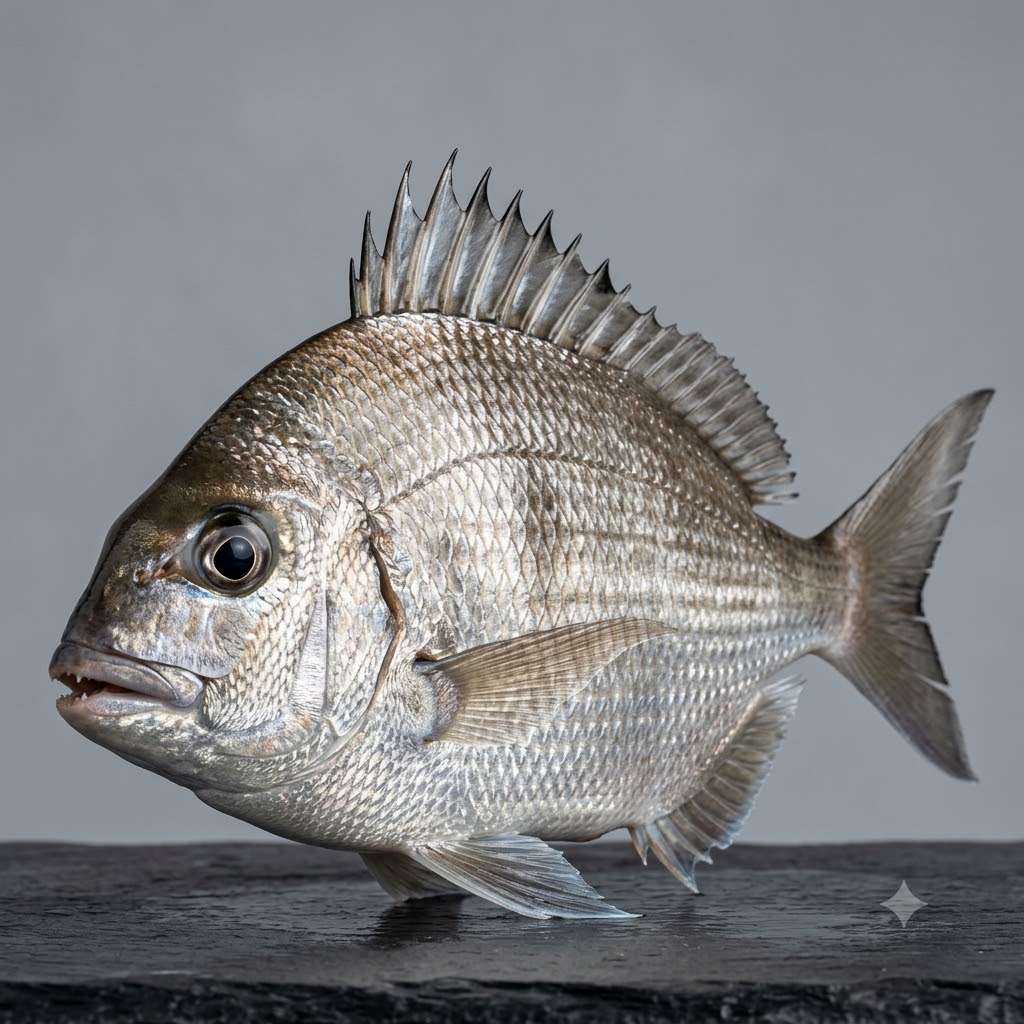
Scup are a deep-bodied, laterally compressed panfish with a silvery, faintly iridescent body that can show soft blue, tan, or coppery tones depending on the light. The back is a dusky silver, fading to a pale, bright belly, and fine, wavy lines often trace the flanks. The head is small with a steep forehead and a modest, slightly downturned mouth full of small teeth built for crushing shellfish and crustaceans. Their most notable - and hazardous - feature is a row of stiff, sharp dorsal spines, along with sharp gill covers, so handle them with care. Their scales are large and firm. Larger scup, sometimes called "dinner plates" or "humpies" for their pronounced foreheads, are prized by anglers who want fillets thick enough to cook.
Range & Habitat (US waters - inshore / offshore)
Scup range along the US Atlantic coast from roughly Cape Cod and southern New England down through the Mid-Atlantic to the Carolinas. The heart of the fishery lies off Rhode Island, Massachusetts, Connecticut, New York, and New Jersey, where porgy are a summer and fall staple.
Inshore, scup gather around rocky bottom, mussel and clam beds, bridge and pier pilings, jetties, and the edges of channels. They love structure and hard bottom where crustaceans and shellfish are plentiful. As water cools in fall, scup move offshore to deeper wrecks, ledges, and rough bottom in cooler, more stable water, often in 60 to 120 feet or more. This seasonal shift - inshore in warm months, offshore as it cools - defines when and where you target them.
Behavior & Feeding
Scup are classic bottom feeders. That small, tough mouth and set of crushing teeth are made for grinding down clams, mussels, marine worms, crabs, shrimp, small crustaceans, and bits of squid. They root and pick along hard bottom and structure, and they school tightly, so where there is one there are usually many. Porgy are notorious bait-stealers - they nibble and peck at a bait, stripping a hook clean if you are slow to react. They feed by sight and by picking through structure, and they are most active when a bit of current keeps scent and food moving. Once a school is fired up, competition among the fish makes them bite aggressively, and a good spot can produce fish after fish.
Best Seasons & Times to Catch
For most of the Northeast, scup fishing peaks from late spring through fall. They move inshore as water warms in May and June, provide steady action through the summer, and often bite best in the fall when larger "slammer" porgy fatten up before moving out to deeper water. Warm, settled weather and a bit of moving tide put scup on the feed. Many anglers find the middle stages of a tide - when current is running but not raging - to be prime. Time of day matters less than tide and structure, though early morning and late afternoon can be reliable. In the coldest months scup are found offshore in deep water, mostly out of reach of the average inshore angler.
Where to Find Them - Reading the Water
Scup are a structure fish, so read the bottom, not the surface. Look for rocky reefs, boulder fields, mussel and clam beds, wreck edges, rip lines over hard bottom, and the pilings of bridges, docks, and piers. A fishfinder that shows hard, irregular bottom and clouds of bait is gold. Drop your bait right on the structure and be ready - porgy hold tight to it. Around jetties and rock walls, fish the base where crustaceans live. In deeper water, target the up-current edges of wrecks and ledges where current sweeps food. When you catch one, stay put and work that exact spot, because the school is right there under the boat.
Tackle & Rigs
Light tackle makes scup fun. A 6.5- to 7-foot light or medium-light spinning or conventional rod with a matching reel handles them well, spooled with 10-20 lb braid for good bottom feel. A short fluorocarbon leader helps in clear water.
The go-to setup is a hi-lo (high-low) bottom rig: two dropper loops each holding a small hook, with a bank sinker of 1-4 ounces on the bottom, sized to hold the bottom in the current. Use small hooks - roughly size 1 to 4 - because scup have small mouths. Some anglers use small circle hooks to reduce deep-hooking. In deeper offshore water, step up sinker weight to stay on the bottom. Keep it simple, keep hooks small, and keep enough weight to feel the bottom.
Best Baits & Lures
Scup are a bait fish through and through. The classic baits are small pieces of clam, squid strips, and sea worms, all cut into modest bits that fit a small hook and a small mouth. Bits of shrimp and squid also work well. Fresh bait outfishes stale bait, and a tough bait like squid stays on the hook better against relentless nibblers.
Artificials are less common but do produce: tiny jigs, small metal jigs, and bits of soft plastic tipped with a scrap of squid or clam can be deadly, especially for larger scup. Some anglers tip the hooks of a hi-lo rig with a small piece of bait and add a bead or bit of flash for attraction. When porgy are thick, the simplest cut bait on a small hook is all you need.
Techniques - How to Fish for It
The method is straightforward bottom fishing. Drop your baited hi-lo rig straight down to the structure, let the sinker touch bottom, then lift it just an inch or two so the hooks hover in the strike zone. Keep a tight, sensitive line - scup bites are quick, pecking taps. When you feel the tap, do not yank; instead make a short, firm lift to set the small hook, then reel steadily. Because porgy steal bait so fast, stay attentive and re-bait often. Anchoring over a good spot lets you build a bite, while drifting helps you locate schools across a reef. When you hit a hot pocket, note the spot and work it hard.
Common Mistakes
The most common mistake is using hooks that are too big - scup have small mouths and will pick a large hook clean. Another is being too slow on the bite; these fish are champion bait-stealers, so hesitation means an empty hook. Anglers also drift off the structure and wonder why the bite died, when the fish are still holding tight to the spot they left. Using too little weight so the rig sweeps off the bottom, or too much so you lose feel, both cost fish. Finally, careless handling leads to painful jabs - those sharp dorsal spines and gill covers demand respect, so grip a scup firmly and mind the fins.
Size, Records & Eating Quality
Most scup run modest - commonly around 8 to 12 inches and well under a pound - while quality "slammer" porgy reach the mid-teens in inches and a couple of pounds. Truly large scup are prized because they yield thick, cookable fillets. On the table, scup are excellent: the flesh is white, firm, mild, and slightly sweet, superb pan-fried whole, filleted and fried, or grilled. Their one drawback for the cook is a bony frame and firm scales, but the flavor rewards the effort. Because groundfish and panfish regulations vary by state and can change, always check current size limits, bag limits, and seasons before keeping scup.
Pros & Cons (as a target species)
Pros: Abundant and willing, so catch rates are high; perfect for beginners and families; light tackle makes them fun; excellent, sweet-tasting white fillets; reachable from party boats, jetties, piers, and small skiffs. Cons: Small average size means lots of throwbacks; expert bait-stealers that demand attention; sharp spines and gill covers can jab careless hands; move offshore and out of reach in cold months; regulations vary and require checking.
Best Suited For
Scup are one of the best species anywhere for beginners, kids, and anyone who wants steady action and a meal. Party-boat anglers love them for the sheer numbers, and shore-bound anglers can reach them from jetties, bridges, and piers. At the same time, veterans enjoy hunting the big "dinner plate" porgy over prime structure. Whether you want to teach a child to fish or fill a cooler with sweet fillets, scup fit the bill.
FAQ
Is scup good to eat? Yes - scup, or porgy, are excellent eating, with firm, mild, slightly sweet white meat. They are great pan-fried whole or filleted, though they are a bit bony.
What's the difference between scup and porgy? None - they are two names for the same fish. "Scup" is common in New England, while "porgy" is used more in the Mid-Atlantic and New York area.
Why do scup keep stealing my bait? Scup have small mouths and crushing teeth and are expert bait-stealers. Use small hooks and small, tough baits like squid, and set the hook quickly at the first tap.
Do I need a boat to catch scup? No. Scup are readily caught from jetties, piers, bridges, and rocky shorelines, as well as from party boats and skiffs over structure.
What size hook for scup? Small hooks work best - roughly size 1 to 4 - because scup have small mouths. Small circle hooks can help reduce deep-hooking.