Sea Robin
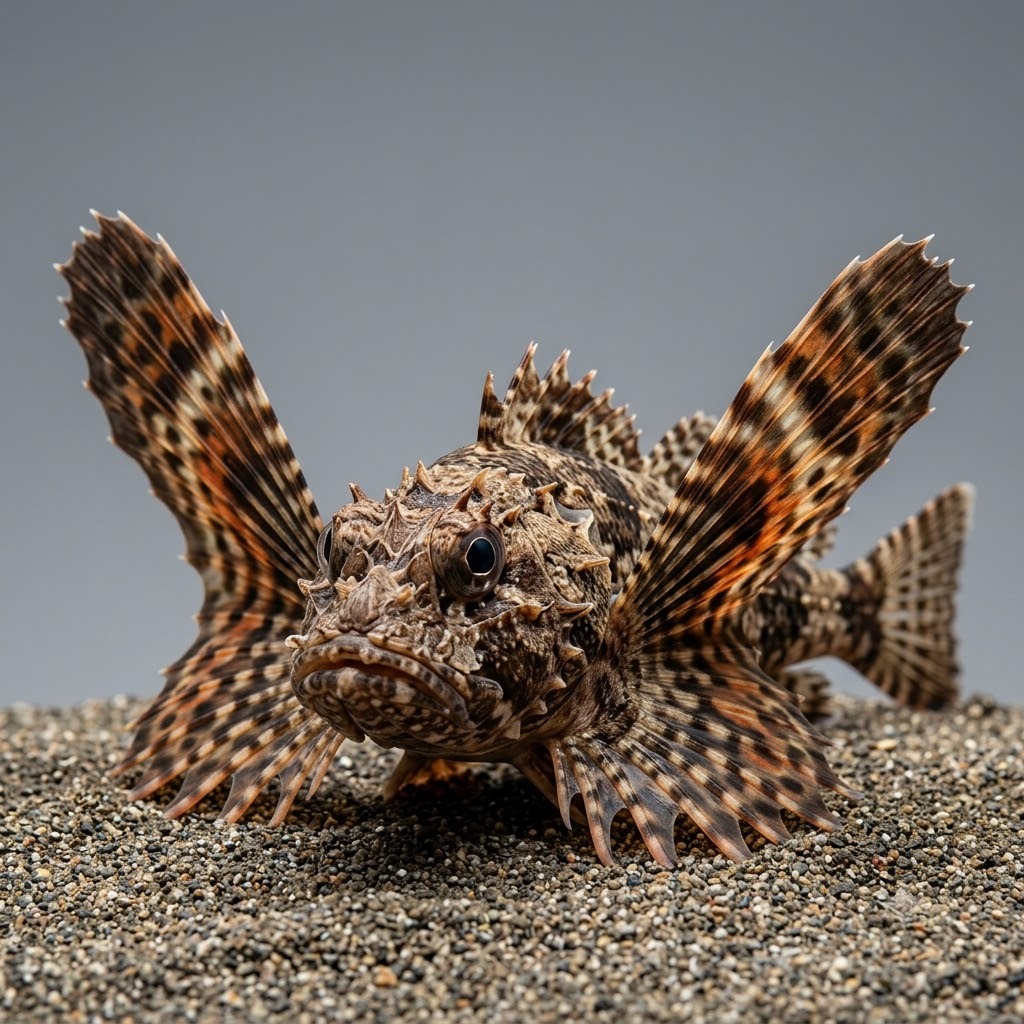
The sea robin is one of the ocean's odd, overlooked characters - an armored, bottom-dwelling fish with huge wing-like pectoral fins and separate finger-like rays it uses to "walk" and taste its way across the seafloor.
🗓️ Last reviewed: July 2026
Overview
The sea robin is one of the ocean's odd, overlooked characters - an armored, bottom-dwelling fish with huge wing-like pectoral fins and separate finger-like rays it uses to "walk" and taste its way across the seafloor. For generations, coastal anglers have hauled up sea robins as unwanted bycatch while fishing for flounder and fluke, tossing them back with a grumble. But that reputation is undeserved: the sea robin is a fine eating fish, with firm, sweet, white meat that rivals the very species anglers were targeting, and it even grunts when handled. Once you see it as a legitimate table fish rather than trash, this bizarre bottom-crawler becomes a welcome catch.
Identification & Appearance
Sea robins are unmistakable. They have a large, bony, armored head, a tapering body, and enormous fan-like pectoral fins that spread out like wings, often colored and patterned when flared. The lower rays of the pectoral fins are separated into stiff, finger-like feelers that the fish uses to crawl along and probe the bottom for food. Coloration is generally brownish, reddish, or grayish with mottling that blends into sand and rubble, and the body feels hard and armored. Between the winged fins, the walking finger-rays, the armored head, and the grunting sounds they make, sea robins are among the most distinctive fish an angler will ever bring to the surface.
Range & Habitat (US waters - inshore / offshore)
Sea robins of one species or another are found along much of the US coast, especially common on the Atlantic from New England through the Mid-Atlantic and into the Southeast, as well as in the Gulf of Mexico. They are widespread bottom fish across a broad range of coastal waters.
They live on the bottom over sand, mud, gravel, shell, and mixed rubble, from shallow inshore bays out to deeper nearshore grounds. They favor open bottom where they can crawl and probe for food, and are frequently caught in the same areas anglers work for flounder and fluke. They move seasonally, coming inshore in the warmer months and dropping deeper when it cools. Because they occupy such common, accessible bottom, sea robins turn up regularly for surfcasters, pier anglers, and boat fishermen.
Behavior & Feeding
Sea robins are bottom-feeding predators that use their finger-like fin rays to crawl across the seafloor and detect prey by touch and taste. They root out crabs, shrimp, worms, mollusks, and small fish from the sand, essentially feeling their way to a meal. They are opportunistic and not shy, readily taking baits meant for other bottom species, which is why they end up on so many hooks by accident. They hold on open bottom rather than tight structure, and feed actively through the day wherever moving water brings prey within reach of their feelers.
Best Seasons & Times to Catch
Sea robins are most available in the warmer months, when they move into shallower waters and are commonly encountered by bottom anglers. In many areas they are almost unavoidable in summer while fishing sand for other species. As waters cool, they retreat deeper and become less common inshore. Since they feed by touch, time of day matters less than having bait on the seafloor over productive ground; a moving tide that keeps scent trailing helps. For anyone who wants to target them deliberately - and they are worth it for the table - the warm-season bottom fishery on sand and rubble is the time and place.
Where to Find Them - Reading the Water
Look for open, feeding-rich bottom rather than tight structure. Sandy and muddy flats, gravel and shell bottom, channel edges, and mixed rubble in bays, along beaches, and on nearshore grounds all hold sea robins. The same spots anglers drift for flounder and fluke regularly produce them. Drifting or slowly working a baited rig across open bottom finds them, since they are spread out crawling for food. If you are fishing bait on sand in season, you are very likely in sea robin water already.
Tackle & Rigs
Sea robins require nothing fancy - standard inshore bottom tackle is perfect. A medium spinning or conventional rod of around 7 feet with a matching reel, spooled with 10-20 lb braid or mono and a 20-30 lb leader, handles them easily and covers the other bottom species you catch alongside them.
The classic rig is a simple bottom rig: a fish-finder (sliding-sinker) rig or a two-hook bottom rig with a bank or pyramid sinker sized to hold in the current, running to hooks in the 1/0 to 4/0 range baited with cut or natural bait. High-low (double-dropper) rigs also work well. Keep the bait on or just off the bottom where these fish crawl and feed. Nothing about sea robin tackle needs to be specialized; the gear you already use for bottom fishing is ideal.
Best Baits & Lures
Sea robins are easy to tempt with natural bait on the bottom. Cut bait - strips of squid, cut fish, or clam - is excellent and stays on the hook well, and squid is a favorite that holds up to nibblers. Fresh shrimp, sandworms, bloodworms, and crab all draw sea robins readily. Because they feed by touch and taste, a scented natural bait sitting on productive ground is the most reliable approach.
Lures are largely unnecessary, though a bait-tipped bottom jig will take them. Since most sea robins are caught while bottom fishing for other species, the same cut squid, worm, and cut-fish baits that catch flounder will put sea robins on the hook just as easily.
Techniques - How to Fish for It
Fishing for sea robins is straightforward bottom fishing. Drop or cast a baited rig onto sand, mud, or mixed bottom, keep the bait on the seafloor, and stay in contact with your sinker. A slow drift or drag of the rig across open bottom finds fish, since they are spread out crawling for food. When you feel the tap and weight, lift into the fish smoothly - they are not hard to hook on natural bait. Handle landed sea robins carefully: the armored head and spines can jab, and do not be alarmed when they grunt in your hands. If you keep them, ice them promptly, then fillet out the firm white meat from the tapering body.
Common Mistakes
The biggest mistake with sea robins is throwing them back as trash - they are genuinely good eating, and countless fine fillets get wasted by anglers who do not know it. Learn to fillet them and you gain a bonus meal from "bycatch." Another error is careless handling: the spiny head can jab an unwary hand. Anglers also fish too high off the bottom for a fish that lives right on the seafloor; keep the bait down where sea robins crawl. When they pester you while you target other species, the fix is simply to keep them - or move to different bottom.
Size, Records & Eating Quality
Sea robins are a modest-sized fish, commonly caught around 10 to 16 inches and a pound or two, with larger individuals reaching a bit more depending on the species and area. Their real surprise is on the table: despite their looks and trash reputation, they yield firm, sweet, white fillets that many anglers rank as excellent eating, comparable to the flounder they are caught alongside. They face little targeted harvest pressure and are lightly regulated compared with premium gamefish, but general saltwater rules can still apply. Always check current local regulations, since rules and limits vary by state and can change.
Pros & Cons (as a target species)
Pros: Surprisingly excellent eating with firm, sweet white meat; abundant and easy to catch on simple bottom tackle; found on common, accessible bottom; a fun, bizarre-looking fish for kids and curious anglers; often free "bycatch" that becomes a meal. Cons: Unfairly seen as trash and often wasted; modest fight; armored, spiny head requires careful handling; not a hard-charging gamefish; grunting can startle the unprepared.
Best Suited For
Sea robins suit practical bottom anglers who value a good meal, curious anglers who appreciate an odd fish, and families whose kids will be delighted by a walking, grunting, wing-finned catch. They are a "hidden gem" for anyone willing to look past reputation and try the firm white fillets. While not a trophy target, the sea robin rewards the open-minded angler with easy action and a genuinely fine dinner from a fish most people throw away.
FAQ
Are sea robins good to eat? Yes - despite their looks and trash reputation, they have firm, sweet, white meat many anglers consider excellent, comparable to flounder. They are well worth keeping and filleting.
What are those finger-like fins on a sea robin? They are separated lower rays of the pectoral fins that the fish uses like legs to "walk" the bottom and feel and taste for food in the sand.
Why does a sea robin make a grunting sound? It produces grunting noises using its swim bladder, especially when handled. It is normal and harmless - just a quirk of this unusual fish.
Do I need special tackle to catch sea robins? No. Standard inshore bottom tackle with a simple rig and natural bait on the sand is all you need.
Why do people throw sea robins back? Mostly out of an outdated trash-fish reputation and unfamiliarity with cleaning them. In reality they make fine eating, so consider keeping and filleting them.