Summer Flounder
The summer flounder - known to most Northeast and Mid-Atlantic anglers simply as "fluke" - is one of the most popular and prized flatfish on the US coast.
🗓️ Last reviewed: June 2026
Overview
The summer flounder - known to most Northeast and Mid-Atlantic anglers simply as "fluke" - is one of the most popular and prized flatfish on the US coast. It is a hard-charging ambush predator that buries in the sand, eyes up, and explodes on passing baitfish, which means it fishes more like a true gamefish than its sluggish flounder reputation suggests. Fluke are accessible from surf, pier, bay, and boat, they put up a surprisingly stubborn fight as they use their broad flat body to plane against the line, and they yield some of the finest white fillets in the sea. The pursuit of "doormat" fluke - the big, plate-sized females - drives a passionate summer fishery from the Carolinas to New England. Few fish offer such a satisfying combination of light-tackle fun and table quality.
Identification & Appearance
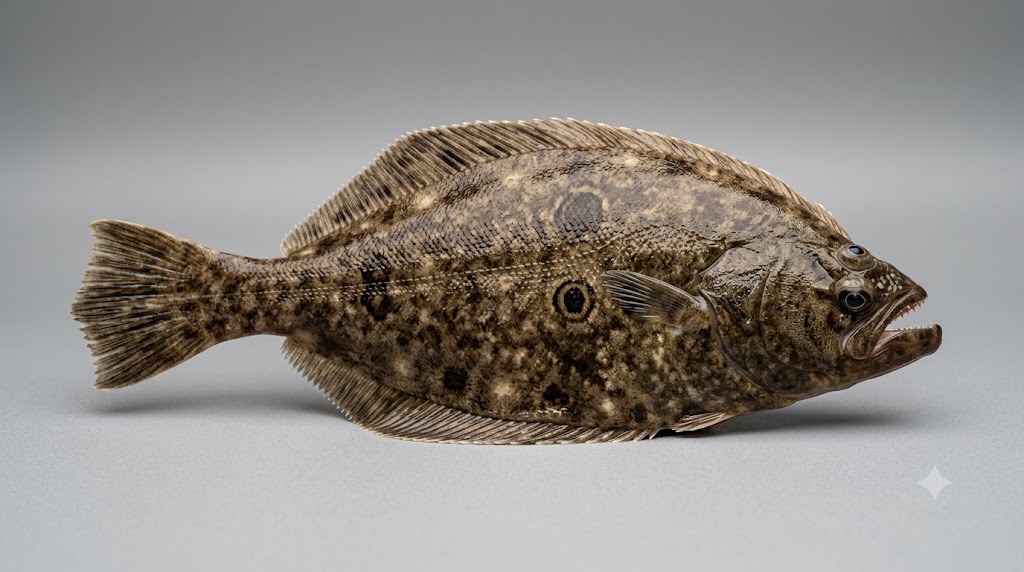
Summer flounder are left-eyed flatfish, meaning that when the fish lies on the bottom with both eyes facing up, the eyes are on the left side of the body. The upper (eyed) side is a mottled brown, gray, or olive that the fish can change to match the bottom, typically marked with numerous dark spots, several of which are arranged in a distinctive pattern of ocellated (ringed) eyespots toward the tail. The blind underside is white. The mouth is large and armed with sharp, prominent canine teeth - the species name dentatus means toothed - a key feature that distinguishes the predatory summer flounder from the smaller-mouthed winter flounder. The body is broad, thin, and roughly oval, perfectly built for lying flat and burying in sand. Their ability to change color and texture makes them masters of camouflage on the bottom.
Range & Habitat (US waters - inshore / offshore)
Summer flounder range along the Atlantic coast from roughly Nova Scotia and Maine south to Florida, with the core of the fishery from Cape Cod to Cape Hatteras - the waters off New Jersey, New York, Rhode Island, Massachusetts, Delaware, Maryland, and Virginia. They are an estuarine and continental-shelf species that migrates seasonally.
Inshore and in summer, fluke move into bays, harbors, inlets, channels, sod banks, and the surf zone, favoring sandy and mixed sand-mud bottoms where they ambush prey. They concentrate along drop-offs, channel edges, sandbars, and the up-current sides of structure. As water cools in fall, they migrate offshore to the deeper, warmer waters of the continental shelf to overwinter, sometimes in fifty fathoms or more, returning inshore the following spring. Wrecks, reefs, and rubble offshore hold the biggest doormats.
Behavior & Feeding
Summer flounder are aggressive ambush predators, not passive bottom grubbers. A fluke lies buried in the sand with only its eyes exposed, waiting for a baitfish, squid, crab, or shrimp to pass within range, then lunges upward to engulf it with that toothy mouth. Larger fluke are highly piscivorous and will chase and crush sand eels, spearing, peanut bunker, and small fish with real speed. They orient to current and feed most actively when water is moving, positioning on the down-current side of edges and structure to ambush prey swept past them. They hunt primarily by sight, so clearer water and good light help, but they also key on vibration and movement. Because they are visual, drifting a bait so it moves and flutters across the bottom is far more effective than a dead-still presentation.
Best Seasons & Times to Catch
As the name implies, summer is prime. From late spring through early fall - roughly May into October depending on latitude and regulations - fluke are inshore in the bays, inlets, and surf and most accessible to anglers. Early in the season they stage in the inlets and lower bays as they move in; midsummer spreads them across the flats, channels, and ocean structure; and the fall "run" can produce the biggest doormats as fish stage to migrate offshore. Within a day, a moving tide is the single most important factor - the strongest bites usually come on the outgoing and incoming flows, while slack water often shuts the drift down. Bright, calm days with clean water favor these sight-feeders, and a gentle drift that keeps the bait moving naturally is ideal.
Where to Find Them - Reading the Water
Fluke relate to sand, edges, and current. Look for channel edges and drop-offs, the lips of sandbars, inlet mouths, sod-bank points, and any place where a depth change or structure breaks the current and concentrates bait. In the surf, fish the troughs, sloughs, and the edges of cuts where baitfish funnel. On a drift, the most productive water is usually along a contour line - the slope between shallow and deep - rather than dead-flat bottom. Up-current of a structure the bait stages; down-current the fluke wait. A good fishfinder helps you stay on the productive depth band and spot bait. As a rule, find moving water over a sand-to-something edge with bait present, and you have found fluke. Bigger fish often hold tighter to ocean structure, wrecks, and reef rubble.
Tackle & Rigs
A 7-foot medium or medium-light fast-action spinning or conventional rod with a sensitive tip, matched to a 3000-4000 spinning reel or a small conventional, is the standard fluke outfit. Spool with 10-20 lb braid for its sensitivity and thin diameter, and add a 20-30 lb fluorocarbon leader. Braid is strongly preferred because feeling the subtle "thump" of a fluke bite and the texture of the bottom is half the game.
The classic rig is a bucktail jig - 1/2 to 3 ounces depending on depth and current - tipped with bait, often fished with a smaller "teaser" hook or second bucktail 12-18 inches up the line. A traditional fluke rig with a sliding sinker, a long leader, and a single hook also works, as does a high-low rig for fishing two baits. Match sinker or jig weight to keep your line as close to vertical as possible while still ticking bottom; too light and you drag too far behind the boat, too heavy and you lose the natural drift.
Best Baits & Lures
Fluke are suckers for strip baits and live offerings. The deadliest combination is a bucktail or naked hook dressed with a strip of squid paired with a strip of fish belly (often called a "fluke belly") or a spearing/silverside - the squid for scent and durability, the fish strip for flutter and flash. Live baits shine for big fish: live killifish (mummichogs, or "killies"), peanut bunker, spearing, and especially live snapper bluefish or small baitfish for trophy doormats. Sand eels and strips of mackerel or sea robin also produce.
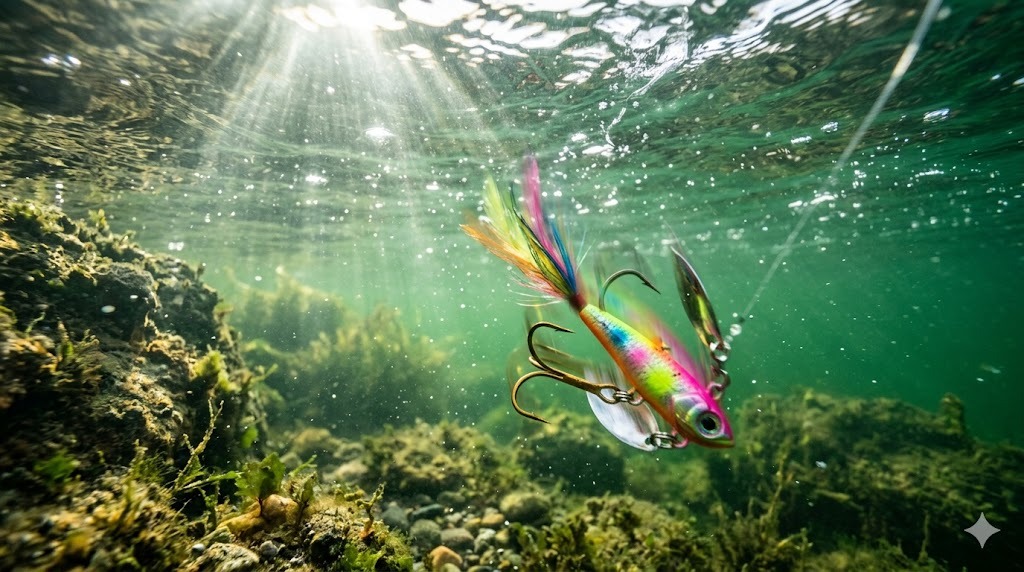
Among artificials, the bucktail jig is the everyday champion, especially tipped with a soft-plastic curly tail (a "Gulp!" swimming mullet or grub is famously effective) and a strip of bait. Soft-plastic swimbaits and paddletails on a jighead work well, and the addition of scented soft baits has revolutionized fluke fishing. Bright colors - white, chartreuse, pink, and glow - excel in stained or deeper water; natural colors work in clear water.
Techniques - How to Fish for It
Drift fishing is the heart of fluke angling. Set up to drift across productive bottom - a channel edge, sandbar lip, or contour - with the wind and current carrying the boat at a slow, steady pace, so your bucktail or rig ticks the bottom and the bait flutters naturally. Lift and drop the jig with a gentle rhythm to make the bait dart and settle, which triggers strikes. Use a drift sock or trolling motor to control speed when the drift is too fast. When you feel the telltale thump or weight of a fluke, the cardinal rule is to wait - drop your rod tip, let the fish chew and turn the bait, count a beat or two, then come tight with a smooth lift rather than a hard set, because fluke often grab the bait sideways before swallowing. From the surf or a pier, cast out, let the bait settle, and slowly retrieve and pause so it sweeps across the bottom in the current.
Common Mistakes
The single biggest mistake is setting the hook too soon. Fluke frequently mouth a bait before committing, and swinging at the first tap pulls it away; patience and a slow draw hook far more fish. Using the wrong weight is another common error - too light and your line angles far behind the boat and you lose bottom contact, too heavy and you kill the natural drift. Anglers also fish dead-bottom, flat areas instead of seeking out edges and contours where fish concentrate. Drifting too fast, or fishing slack tide, both reduce the bite. And many people overlook the value of keeping the bait moving and fluttering; a motionless bait dramatically out-produced by one that swims and darts. Finally, dull or undersized hooks lose fish in those toothy mouths.
Size, Records & Eating Quality
A keeper fluke in most states runs in the 17-20 inch range (limits vary by state and year), with typical fish a pound or two. A true "doormat" is anything over about 5 pounds, and the biggest females exceed 10. The IGFA all-tackle world record is a 22-pound, 7-ounce summer flounder caught off Montauk, New York, in 1975. On the table, summer flounder are superb - the boneless, snow-white fillets are mild, sweet, and delicate, excellent fried, baked, broiled, stuffed, or as the base of premium fish-and-chips, and the cheeks are a hidden delicacy. They are widely regarded as among the very best eating fish of the Atlantic coast. Always check current state regulations, as size, season, and bag limits for fluke are strictly managed and change frequently.
Pros & Cons (as a target species)
Pros: Aggressive ambush feeder that fights well on light tackle; accessible from surf, pier, bay, and boat; superb, delicate white-meat table fare; available through the warm months when fishing is comfortable; responds well to both bait and lures, especially bucktails. Cons: Strictly regulated with frequently changing size and bag limits; the subtle bite and tendency to mouth baits frustrate impatient anglers; sight-feeding nature makes them less reliable in dirty water; the best big-fish drifts require boat control and attention to current.
Best Suited For
Summer flounder are a great all-around species for anglers of every level. Beginners and families can catch them readily on a simple baited rig drifted over sand, while the technical pursuit of doormats on bucktails and live bait rewards experienced light-tackle anglers. They are equally at home for a surfcaster working an inlet, a bay angler drifting a channel, or an offshore crew picking apart a wreck. In short, fluke offer easy access and great eating for newcomers and a genuinely skillful, rewarding game for the dedicated flatfish hunter.
FAQ
Is summer flounder good to eat? Yes - fluke are among the finest eating fish on the Atlantic coast, with delicate, sweet, snow-white fillets that are excellent fried, baked, or broiled.
What's the difference between summer flounder and winter flounder? Summer flounder (fluke) are left-eyed, have a large toothy mouth, and are aggressive predators; winter flounder are right-eyed with a small mouth and feed on small invertebrates. Fluke also run larger.
Why do I keep missing the bite when fishing for fluke? You are probably setting too soon. Fluke often grab the bait sideways and chew before swallowing - drop the rod tip, give it a couple of seconds, then come tight smoothly.
What is the best bait for fluke? A bucktail tipped with a strip of squid plus a strip of fish (or a scented soft bait) is the classic, and live killies or peanut bunker excel for big doormats.
Do I need a boat to catch summer flounder? No. Fluke are caught from the surf, jetties, piers, and bridges, especially around inlets and channels, though a boat lets you cover the best drifts and reach offshore structure for bigger fish.