Tripletail
The tripletail is one of the ocean's true oddballs.
🗓️ Last reviewed: July 2026
Overview
The tripletail is one of the ocean's true oddballs. Named for the way its rounded dorsal and anal fins extend so far back that the fish appears to have three tails, this strange, floating creature is a cult favorite among sight-fishing anglers. Tripletail hang motionless, often tilted on their side, near anything floating on the surface - buoys, channel markers, crab-trap floats, weed lines, and drifting debris - lying in wait like flotsam themselves. That makes them a prime target: you idle along, spot a dark shape under a buoy, and cast to it. They strike hard, fight with surprising strength, and are outstanding on the table, with firm, white, sweet fillets - a unique and rewarding catch.
Identification & Appearance
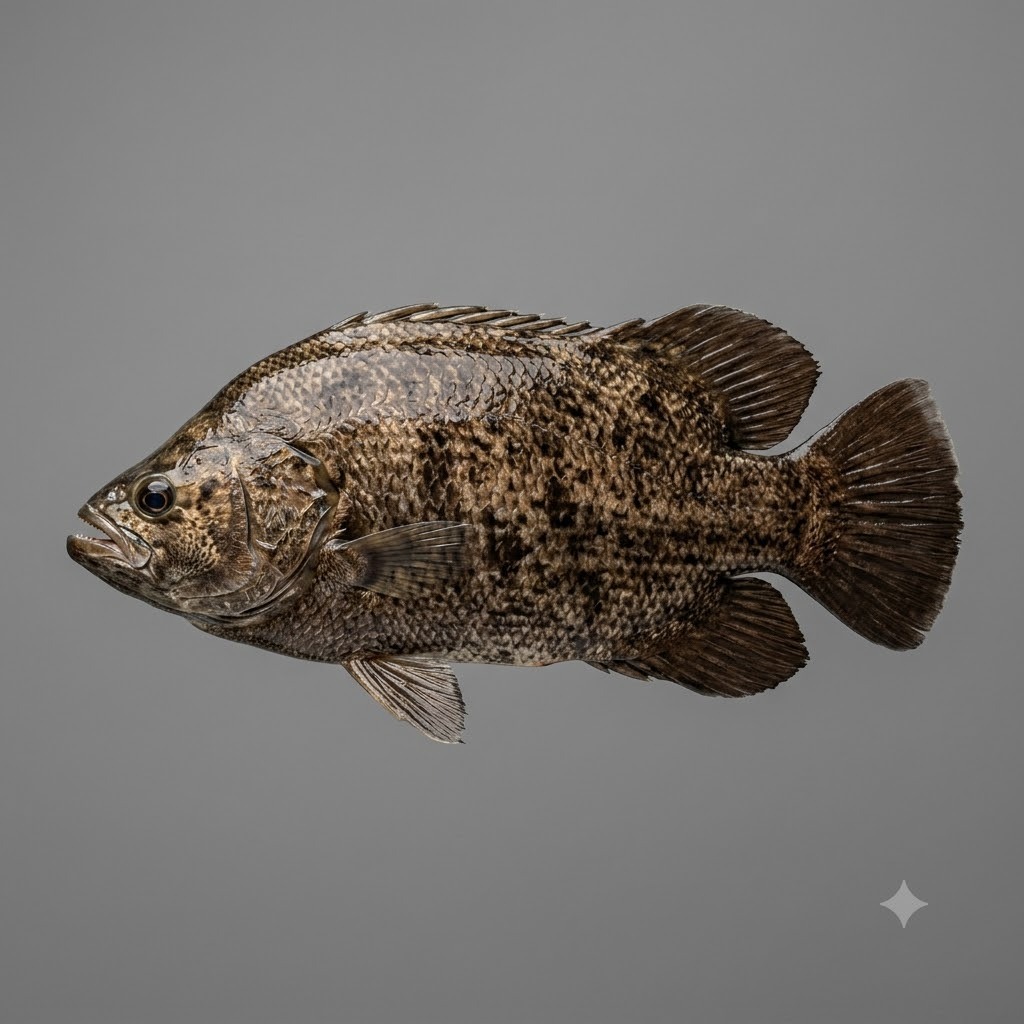
The tripletail is an unmistakable, deep-bodied, slab-sided fish. Its most striking feature is the set of large, rounded dorsal and anal fins set far back near the tail, which combine with the true tail to create the three-lobed, "triple-tail" look that names the fish. The head is small with a sloping forehead and a large mouth, and the body is compressed and disc-like. Coloration is variable and mottled - dark brown to yellowish, greenish, or nearly black, often blotched to blend in with debris and weed. That camouflage, plus its habit of drifting on its side near the surface, lets it masquerade convincingly as a piece of flotsam.
Range & Habitat (US waters - inshore / offshore)
In US waters, tripletail are found along the southeastern Atlantic coast and throughout the Gulf of Mexico, common around Florida and the Gulf states in the warmer months. They are a warm-water fish that drifts into an area as the water heats up.
Tripletail associate with floating structure rather than a fixed bottom habitat. Look for them nearshore and offshore around buoys, channel markers, crab-trap and stone-crab floats, anchored lines, weed lines, current rips, drifting debris, and bridge and pier pilings. Wherever something floats in warm water, a tripletail may be lurking, tilted on its side just under the surface.
Behavior & Feeding
Tripletail are ambush predators with a lazy, opportunistic style suited to their camouflage. They hang near floating structure, often lying on their side just beneath the surface, waiting for shrimp, crabs, and small fish to drift by, then striking with a quick surge - their mottled coloring lets prey wander close. Despite the sluggish look, a hooked tripletail is a strong, dogged fighter that pulls hard with its broad, flat body and often bulldogs back toward the structure.
Best Seasons & Times to Catch
Tripletail fishing is strongly seasonal and tied to warm water. Along the Gulf and southeastern coasts, the best action comes in the warmer months, spring through fall, when tripletail move into coastal waters and take up station under floating structure. Warm, calm, clear days with good visibility are ideal, since so much of the fishing is spotting fish as you idle along a line of buoys - bright light reveals the dark shapes beneath the floats, and a little current keeps bait moving past their ambush points. Since sight-fishing is the core method, conditions that let you see into the water matter as much as the season.
Where to Find Them - Reading the Water
Finding tripletail is a hunt for floating objects and the shadows beneath them. Idle slowly along lines of crab-trap and stone-crab floats, channel markers, and buoys, scanning for a dark, mottled shape lying on its side beside the float. Weed lines, current rips, and floating debris are prime, concentrating both the fish and their prey; bridge and pier pilings are worth a look too. Run a route of known floating structure on a bright, calm day and check each one - a single buoy might hold a lounging tripletail.
Tackle & Rigs
Medium spinning tackle suits tripletail sight-fishing. A 7- to 7.5-foot medium or medium-heavy spinning rod with a 3000-4000 reel, 10-20 lb braid, and a 20-30 lb fluorocarbon leader gives the accuracy to place a bait at a float and the backbone to turn a strong fish from the structure. Because tripletail bulldog straight back toward the buoy, leader strength and abrasion resistance matter.
Keep rigs simple. A live shrimp or small baitfish free-lined on a bare hook, or a lightly weighted jighead, lets the bait drift into the strike zone beside the float. A popping cork suspending a shrimp at the right depth also works. Use the least weight needed for a natural drift.
Best Baits & Lures
Live bait is the top choice, and a lively shrimp is the classic go-to - cast right in front of a lounging fish, it is hard to resist. Small live baitfish and crabs also produce. The key is a fresh, natural offering presented close, since tripletail ambush prey within reach of their float.
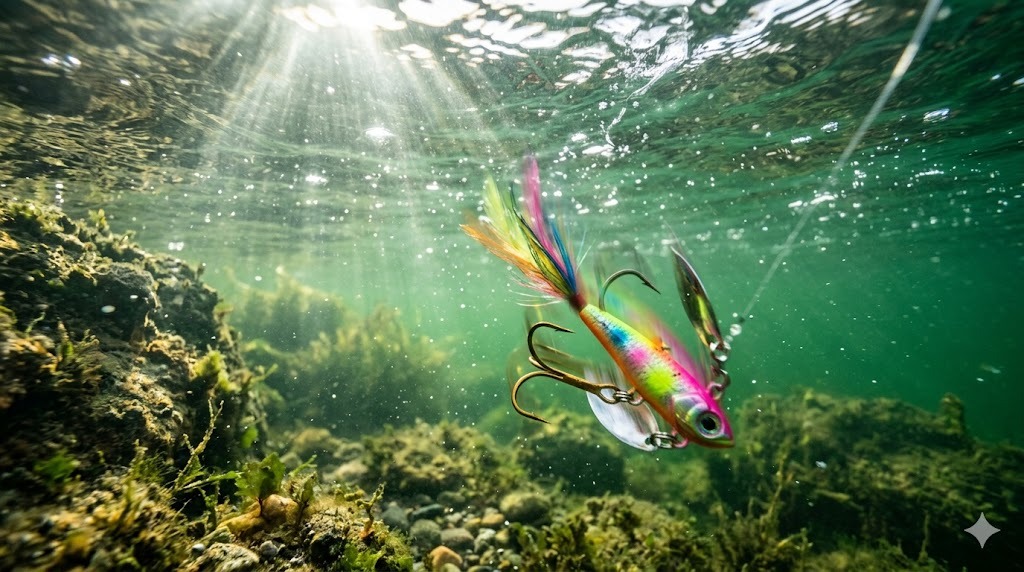
Among artificials, jigs and soft-plastic shrimp or baitfish imitations on a jighead are effective, especially tipped with shrimp for scent and worked slowly past the fish. Cast them accurately and let them sink next to a buoy or weed line; natural shrimp and baitfish colors work best. Accuracy and a natural drift matter more than the specific lure.
Techniques - How to Fish for It
Tripletail fishing is primarily a sight-fishing game. Idle quietly along floating structure, spot a fish beside or beneath a float, then position the boat to cast without spooking it. Lead the fish slightly and drop the bait close, so it drifts into the strike zone - accuracy is everything, since these fish will not chase far from cover. Let a live shrimp or jig settle and be ready for a quick strike. The instant the fish eats, come tight hard and turn its head from the structure, because its first move is to bulldog straight back into whatever it was hiding under. Steady, firm pressure through that surge lands the fish.
Common Mistakes
The most common mistake is a poor cast - tripletail will not move far to eat, so a bait landing too far away is ignored, while one landing on top of the fish spooks it. Getting too close and pushing a wake onto a wary fish is another way to blow the shot. Anglers also lose fish by failing to apply hard pressure right after the strike, letting the tripletail wrap the buoy line and break off. Overweighting the bait draws fewer bites, and rough or overcast days make spotting fish harder, so bright, calm conditions matter.
Size, Records & Eating Quality
Tripletail commonly run several pounds, with good fish reaching into the teens and the largest specimens growing considerably heavier and measuring well over two feet - a genuine trophy and a powerful adversary on rod and reel. On the table they are excellent, prized for firm, white, mild, sweet meat that many anglers rank among the best-eating inshore fish. As with other coastal species, size and bag limits vary by region, so always check current local regulations.
Pros & Cons (as a target species)
Pros: Unique, exciting sight-fishing target; strong, stubborn fighter for its size; excellent, top-tier eating; accessible around common floating structure like buoys and crab floats; rewards accuracy and stealth. Cons: Requires warm, calm, clear conditions to spot fish; will not chase a poorly placed bait; bulldogs into structure and breaks off if not controlled quickly; seasonal and dependent on finding the right floating cover.
Best Suited For
Tripletail are ideal for patient, observant anglers who love the hunt of sight-fishing, enjoy idling along buoy and weed lines scanning for a target, and appreciate a strong fight followed by a superb meal. Because success hinges on accurate casting and quick fighting, they are especially rewarding for intermediate and advanced anglers, though a beginner with a live shrimp and a steady hand can connect. Anyone who enjoys something a little different will love them.
FAQ
Is tripletail good to eat? Yes - excellent eating, with firm, white, mild, sweet fillets that many anglers rank among the very best inshore fish, great grilled, fried, or baked.
Why do tripletail float on their side near buoys? It is an ambush strategy. Hanging motionless and tilted near floating structure, the mottled tripletail mimics drifting debris, letting prey wander close.
How do you find tripletail? Idle slowly along floating structure - crab-trap floats, channel markers, buoys, weed lines, and debris - on a bright, calm day, scanning for dark, mottled shapes beside the floats.
What is the best bait for tripletail? A live shrimp cast accurately in front of the fish is the classic top choice, along with small live baitfish, crabs, and shrimp jigs.
Why did my tripletail break off? They bulldog straight back toward the structure. Without hard pressure right after the strike, the fish wraps the line and breaks off.