Winter Flounder
The winter flounder is the classic cold-season flatfish of the Northeast, a small, sweet-eating "blackback" that generations of anglers have caught from docks, skiffs, and bay shorelines.
🗓️ Last reviewed: July 2026
Overview
The winter flounder is the classic cold-season flatfish of the Northeast, a small, sweet-eating "blackback" that generations of anglers have caught from docks, skiffs, and bay shorelines. Unlike the summer flounder that chases baitfish, the winter flounder is a gentle, ground-hugging bottom feeder with a tiny mouth, taken on small hooks baited with worms or clams and fished patiently on the bottom of a bay or estuary. It offers a wonderfully accessible, low-tech style of fishing - light gear, simple rigs, and a quiet morning over a mud or sand bottom. What it lacks in fight it more than makes up for on the table, where its firm, mild, delicately sweet fillets are a genuine prize. For many Northeast anglers, the first flounder of the season is a rite of spring.
Identification & Appearance
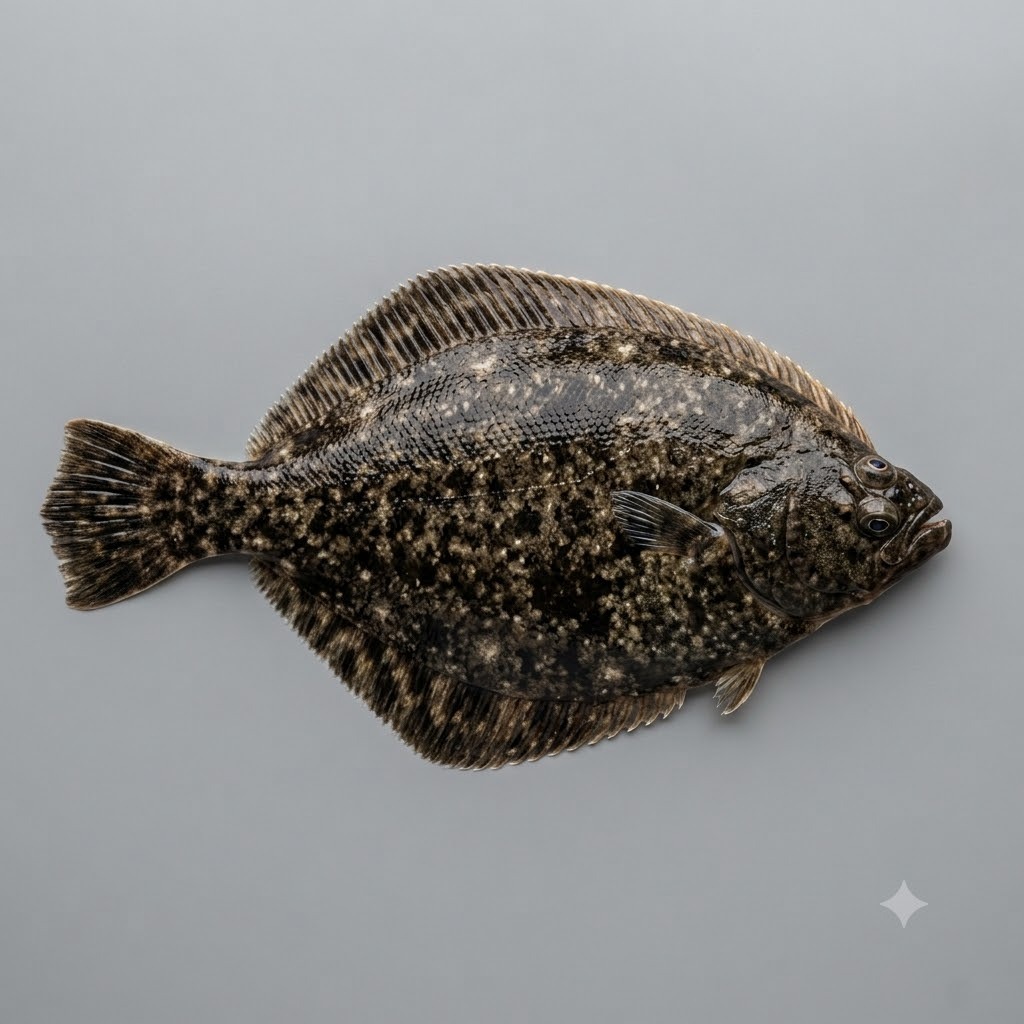
Winter flounder are a right-eyed flatfish, meaning both eyes sit on the right side of the body when the fish faces you with the dark side up. The eyed (upper) side ranges from muddy brown to nearly black, often mottled to match the bottom, which earns them the nickname "blackback"; the blind (lower) side is clean white. The body is oval, thick, and relatively small, with a distinctly small mouth that turns down - built for nibbling worms and small shellfish rather than eating baitfish. The lateral line is nearly straight, and the skin has a smooth, firm feel. Their coloration shifts to blend with mud, sand, or gravel. Overall they are a compact, tidy flatfish with a tiny mouth that immediately sets them apart from the big-mouthed summer flounder.
Range & Habitat (US waters - inshore / offshore)
Winter flounder are a cold-water species of the Northeast, ranging along the Atlantic coast roughly from the Canadian Maritimes down through New England and the Mid-Atlantic. The heart of the recreational fishery is the bays, harbors, and estuaries of New England and New York.
They are primarily an inshore fish, favoring the soft mud, sand, and mixed bottoms of bays, coves, tidal creeks, harbors, and estuary channels. In the colder months they move into these shallow, protected inshore waters - which is exactly when and where anglers target them - while in warmer weather they tend to move to cooler, deeper water offshore. Because they hold on the bottom in relatively shallow, sheltered spots, they are reachable from shore, docks, piers, and small boats.
Behavior & Feeding
Winter flounder are quiet, deliberate bottom feeders with small mouths suited to small prey. They root along soft bottom for marine worms, small clams and their siphons, tiny crustaceans, and other small invertebrates, taking food with a soft, nibbling bite rather than a hard strike. They are not chasers; they lie on or just under the bottom, well camouflaged, and feed on whatever they find within reach. Because the bite is subtle - often just a light tap or added weight on the line - patient, attentive fishing pays off. They tend to feed better when a bit of current is moving and often bite well over a gently stirred bottom, which is why anglers use chum and scent to draw them in and get them feeding actively in one spot.
Best Seasons & Times to Catch
As the name suggests, the winter flounder fishery is a cold-season affair. In much of the range the prime windows are late fall and especially early spring, when the fish are concentrated in the shallow inshore bays and estuaries - traditionally the spring opener is the highlight of the year for many bay anglers. Moving tide is important: the incoming and outgoing stages, when current stirs the bottom and moves scent, generally produce the best bites, while dead slack water can go quiet. Milder, calmer days on a protected bay make for pleasant and productive fishing. As a rule: fish the cold-season inshore window, work the moving tide, and set up over soft bottom with a little chum.
Where to Find Them - Reading the Water
Look for soft, food-rich bottom in protected inshore water: mud and sand flats, the edges of channels, deeper holes in a bay, tidal creek mouths, and around docks and mooring fields. Winter flounder concentrate where the bottom holds worms and small shellfish, so a muddy cove or the transition between mud and sand can be prime. Current is a key ingredient - anchor where moving water passes over good bottom so a chum slick drifts down-tide and pulls fish to you. Deeper channel edges and holes hold fish, especially early and late in the season. Because they are ground-hugging and shallow, many productive spots are within easy reach of a dock, a pier, or a small anchored skiff.
Tackle & Rigs
This is light-tackle, finesse fishing. A light, sensitive rod - a short spinning or conventional setup with a soft tip - lets you feel the gentle, nibbling bite, paired with a small reel and light line. Sensitivity matters more than power here, because the fish are small and the take is subtle.
The classic rig is a simple two-hook bottom rig using small hooks - long-shank or small baitholder styles that suit tiny mouths and small baits, and that make unhooking easier. A modest sinker holds the rig on the bottom in the current, and beads or a small spinner blade above the hooks can add attraction. Many anglers fish a chum pot of ground clam or mussel near the rig to draw fish in. Everything is scaled down: small hooks, light leader, and just enough weight to stay planted on the bottom.
Best Baits & Lures
Bait is everything for winter flounder, and the tiny mouth dictates small, soft, natural offerings. Marine worms - such as bloodworms and sandworms - are the traditional top bait, threaded onto small hooks. Clam and mussel, both as bait on the hook and as chum, are also excellent, matching the fish's natural diet. A small strip of clam or a piece of worm on each hook, refreshed often, keeps fish interested.
Lures play little role in this fishery; winter flounder are a bait fish through and through. The real "secret weapon" is chum - a pot or bag of crushed clam, mussel, or worm scent placed on the bottom near the rig, which stirs the fish up and concentrates them where your baits are waiting. Keep the bait small, fresh, and scented, and the chum working.
Techniques - How to Fish for It
The method is patient, stationary bottom fishing. Anchor over good soft bottom where current is moving, set out a chum pot to start a scent trail, and drop small baited hooks to the bottom nearby. Keep the line just tight enough to feel the subtle bite - often only a light tap, a nibble, or a slight extra weight. Resist the urge to strike at the first touch; give the small-mouthed fish a moment to take the bait, then lift gently and steadily rather than swinging hard. Refresh the bait frequently, since fresh, soft offerings out-fish tired ones. If the bite slows, freshen the chum, adjust to the tide, or move to a nearby hole or channel edge. It is relaxed, attentive fishing rather than a running battle.
Common Mistakes
The most common mistake is using hooks and baits that are too big for the fish's small mouth - scale down and use small hooks with small, soft baits. Striking too hard or too early pulls the bait away from a fish that bites softly; a gentle lift works far better. Skipping the chum is a lost opportunity, since scent is what pulls these bottom feeders to your spot. Fishing dead slack tide, with no current to move scent or stir the bottom, often means a dead bite. Letting bait sit stale instead of refreshing it hurts your catch. And, as always, ignoring local size and bag limits - which can be strict for this managed species - is a mistake worth avoiding.
Size, Records & Eating Quality
Winter flounder are a small flatfish - most caught by anglers are modest "keeper" size, with larger specimens earning the affectionate nickname "snowshoe" for their broad, plate-like shape, though even those are small compared with many gamefish. They are not caught for their fight but for their flesh, and here they truly shine: the fillets are firm, white, mild, and delicately sweet, widely considered some of the finest eating of any inshore flatfish. Because winter flounder stocks have faced pressure in parts of the range, regulations can be strict, and size and bag limits vary by area and change over time. Always check current local regulations before keeping fish, and handle undersized flounder gently for release.
Pros & Cons (as a target species)
Pros: Superb, sweet-tasting fillets; accessible light-tackle fishing from shore, docks, and small boats; simple, inexpensive gear and rigs; a relaxing, beginner-friendly style; a welcome cold-season target when other fishing is slow. Cons: A gentle fighter rather than a powerhouse; the bite is subtle and demands patience; success leans heavily on chum, fresh bait, and the right tide; strict and variable size and bag limits in many areas; seasonal and weather-dependent.
Best Suited For
Winter flounder are ideal for beginners, families, and anyone who enjoys a calm, patient day of bottom fishing with the reward of excellent table fare. They are perfectly suited to shore, dock, and small-boat anglers who do not need heavy gear or long runs offshore. Cold-season anglers looking to scratch the fishing itch when the water is chilly will find them a welcome target. Experienced light-tackle anglers appreciate the finesse of detecting a subtle bite and the craft of chumming a bottom spot into life. In short, it is friendly, accessible fishing with a delicious payoff.
FAQ
Is winter flounder good to eat? Yes - it is prized for firm, white, mild, and delicately sweet fillets, considered some of the best eating among inshore flatfish.
What is the difference between winter and summer flounder? Winter flounder are right-eyed with a small mouth and feed on worms and shellfish; summer flounder (fluke) are left-eyed with a big, toothy mouth and chase baitfish. They are caught quite differently.
What bait works best? Marine worms such as bloodworms and sandworms are traditional favorites, along with clam and mussel both on the hook and as chum.
Do I need a boat? No - winter flounder are shallow, inshore bottom fish that are commonly caught from docks, piers, and shorelines, as well as small anchored skiffs.
Why do I keep missing the bite? The bite is a soft nibble, and the mouth is tiny. Use small hooks and small baits, keep the line lightly tight to feel the tap, and lift gently instead of swinging hard.