Best Trout Lures and Baits
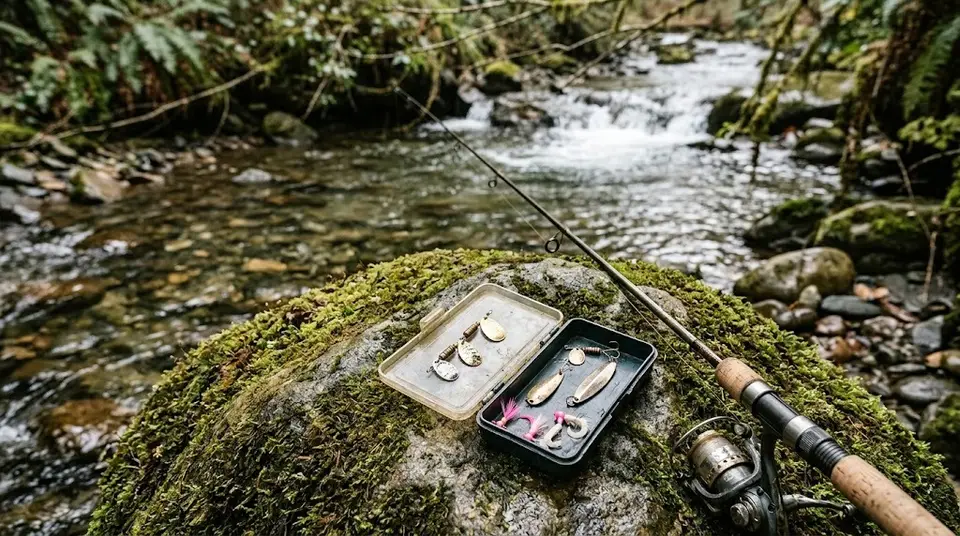
Seven trout lures and baits compared from their makers' pages (spinner, spoon, minnow, jig, dough, floating eggs and a scented worm), how to fish each in lakes and in rivers, trout jigs, and the rules to check first.
How to Fish a Jigging Spoon
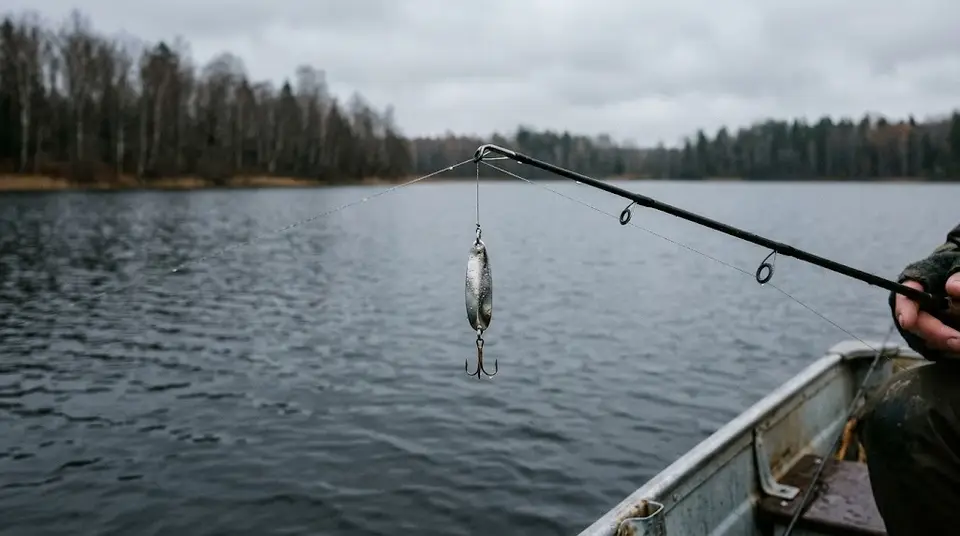
A jigging (slab) spoon is a heavy metal lure that flutters as it falls. How a spoon attracts fish, the snap-and-flutter retrieve Arkansas Game and Fish describes for winter bass, watching the line on the fall, where it snags, and the fish it catches.
How to Fish a Blade Bait
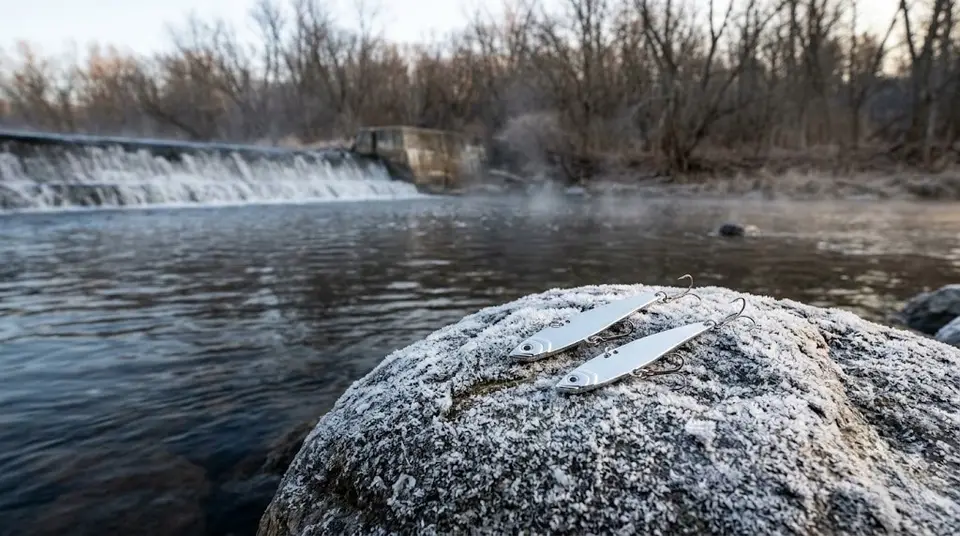
A blade bait is a thin metal lure weighted at the nose or belly that vibrates on a short lift. When cold-water smallmouth anglers use it, the short lift-and-pause, snaps, line and rods, and where to fish it, from Bassmaster and In-Fisherman reporting.
Lake Turnover Explained For Anglers
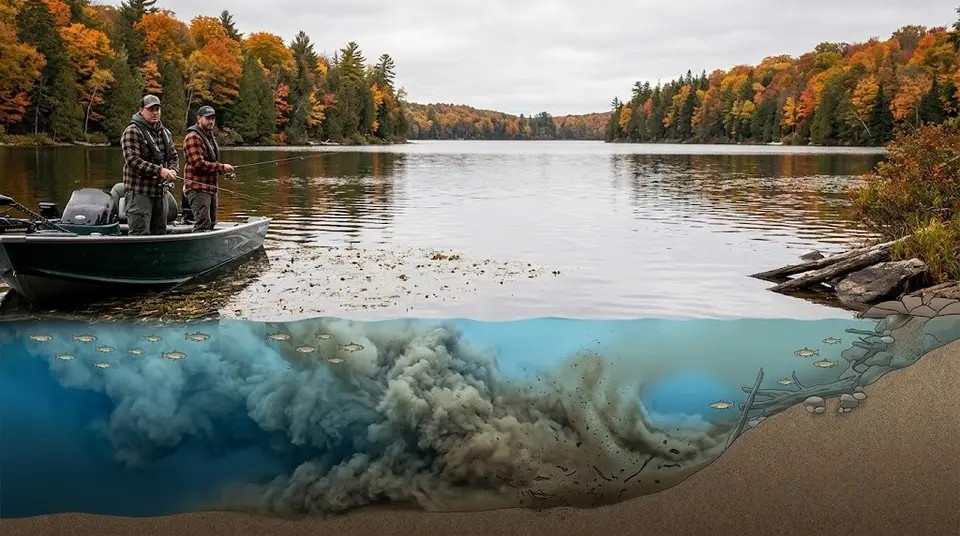
Turnover is the autumn spell when a stratified lake mixes top to bottom and the bite falls apart. Here is what is physically happening, how to recognise it on the water, and where fish stay catchable while it passes.
Cleaning and Filleting Fish
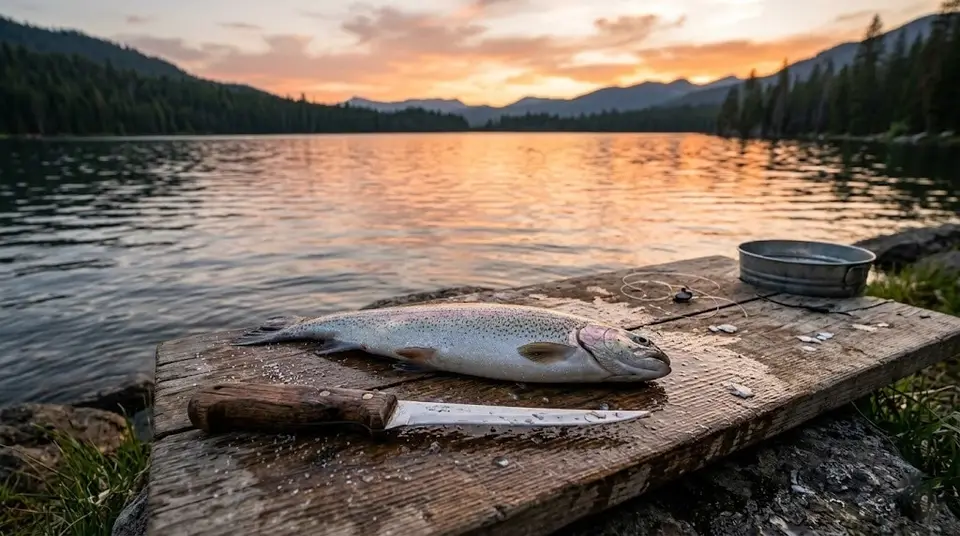
There is a deep satisfaction in eating a fish you caught yourself. Keeping the catch fresh, the tools, filleting step by step, scaling and gutting, storing and cooking.
Fishing Licenses and Regulations Explained
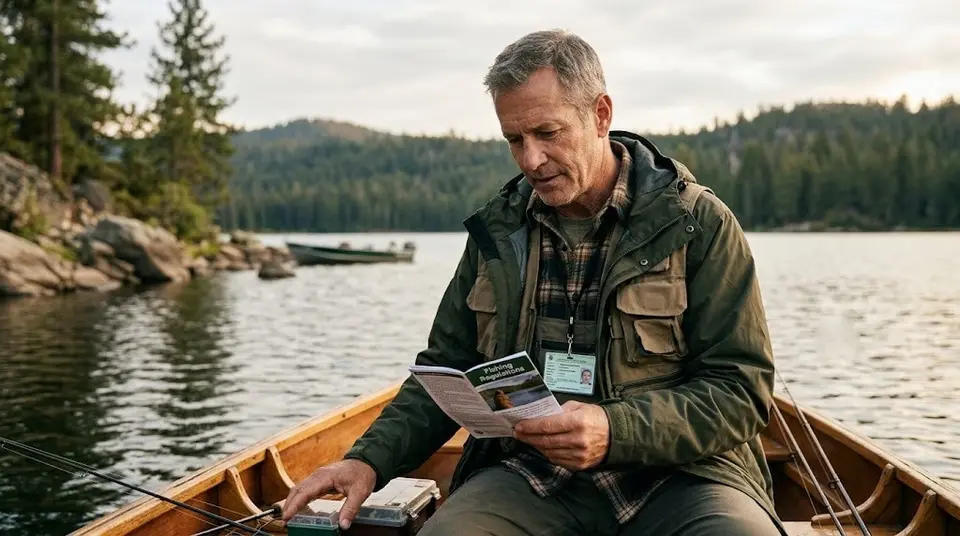
How fishing licenses and regulations work in the United States, what you need to know, and how to stay legal wherever you fish.
Farm Pond Fishing
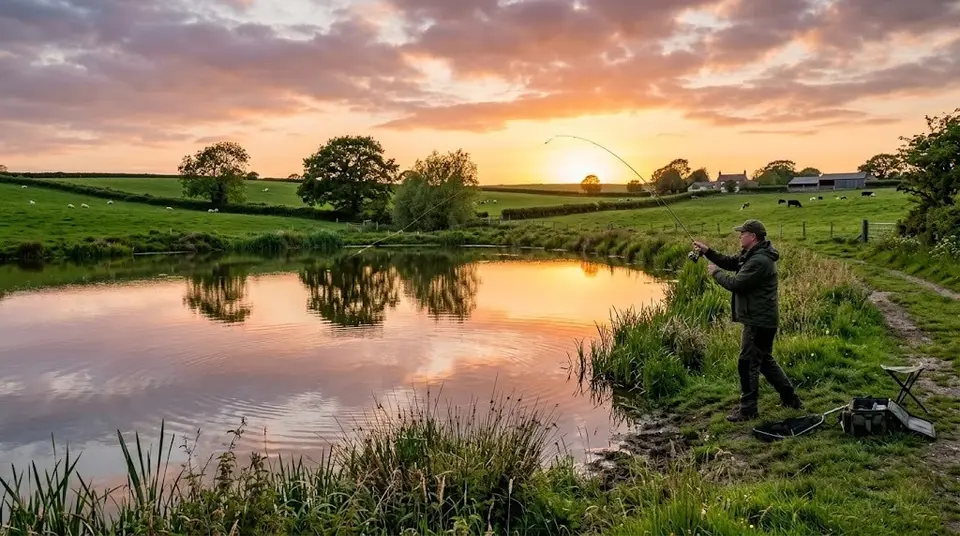
Farm ponds and small waters are easy to fish and can grow good bass, bluegill and catfish. How to find them and get permission, where fish hold in a pond, what to use, and why the right harvest depends on the pond, following the Missouri Department of Conservation.
Bank Fishing Without a Boat
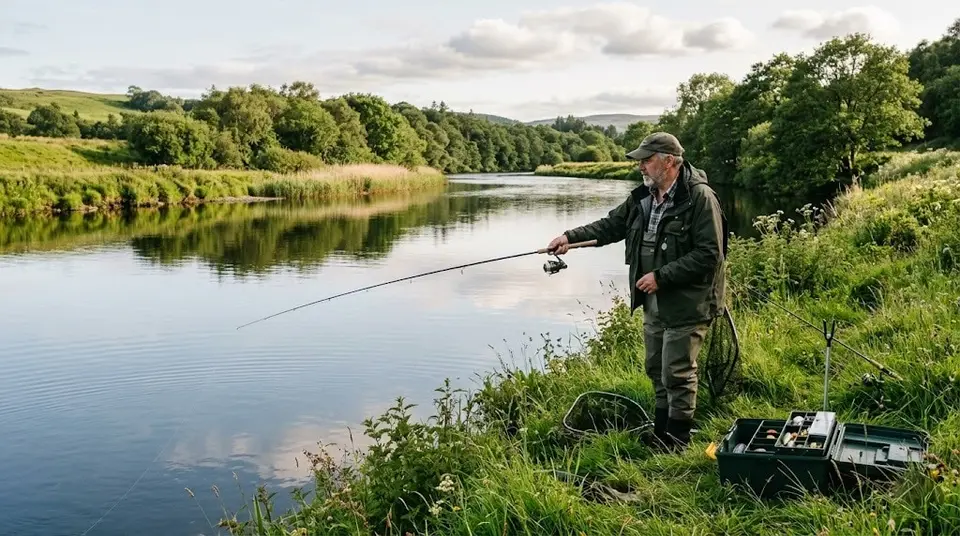
You don't need a boat to catch fish. How to pick bank spots, approach quietly, travel light and choose bait for common species from shore, following the Missouri Department of Conservation's guides to fish habitat and fishing tips.
How Weather Affects Fishing
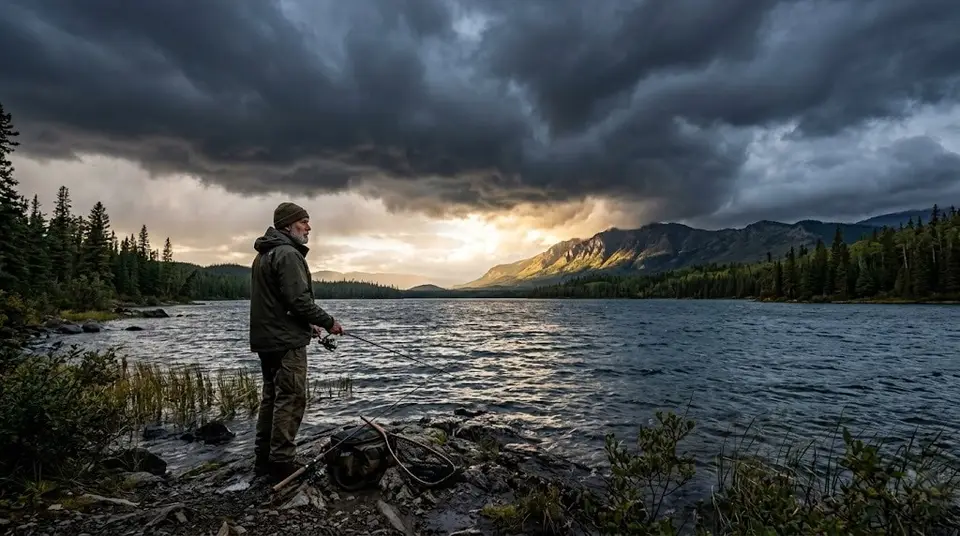
Two anglers fish the same lake with the same lures on the same spot. One has a great day and one gets skunked.
Best Times of Day to Fish
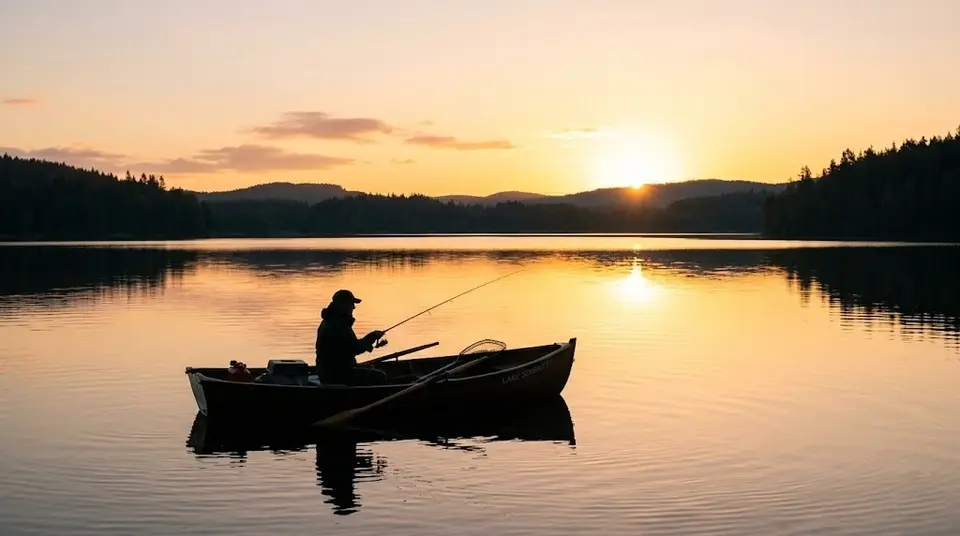
When fish bite through the day and the year: low light at morning and evening, cloud and wind, night fishing, the seasons and the weather, following the Missouri Department of Conservation's guide to fish habits.
Rod and Reel Maintenance Basics
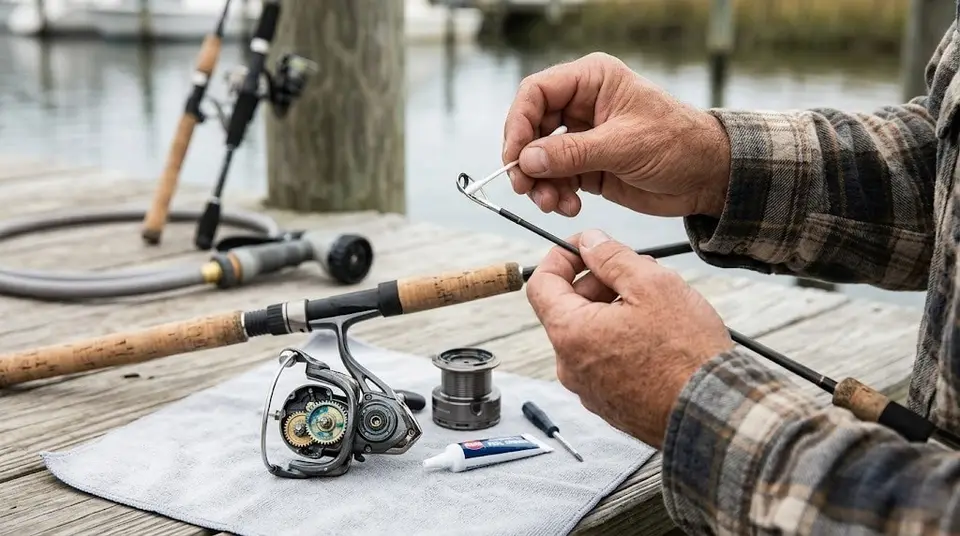
Rinse reels gently after every trip, store them with the drag backed off, lubricate lightly, check rod guides for grooves, fill spools to the right level, and replace line when it frays or fades, following Game & Fish, South Carolina DNR and Wikipedia.
Winter Fishing: Cold-Water Tactics
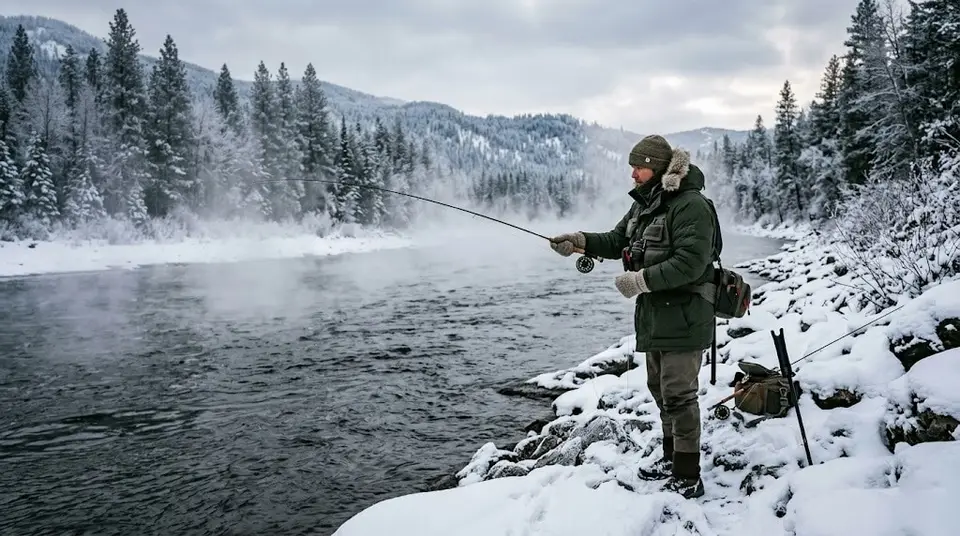
Most anglers hang up their rods when the temperature drops, and that is exactly why winter can be so good.
Fall Fishing: The Feeding Frenzy
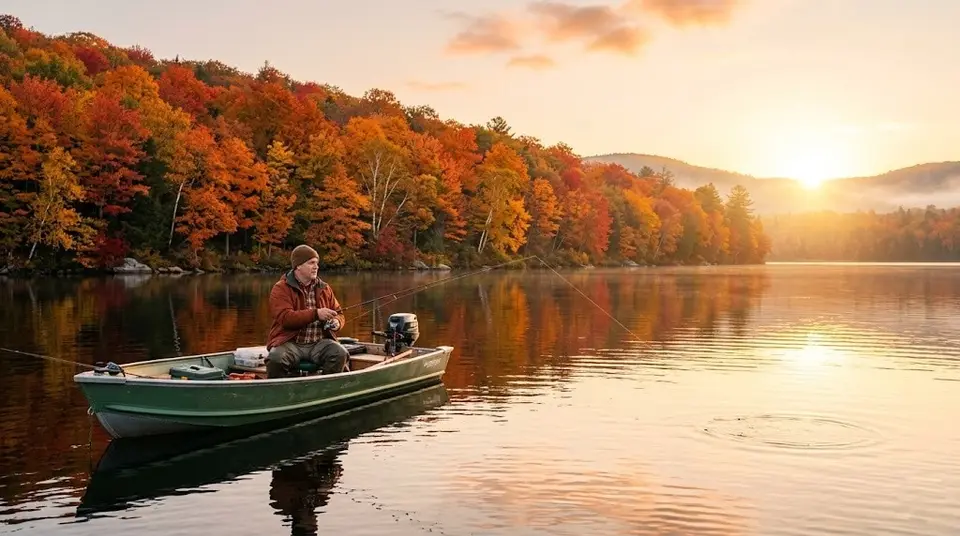
Fall fishing: why lakes change as they cool, where fish go, how white bass and other schooling fish feed on baitfish, and how to fish the season, following the Missouri Department of Conservation and Wikipedia on lake turnover.
Summer Fishing Guide
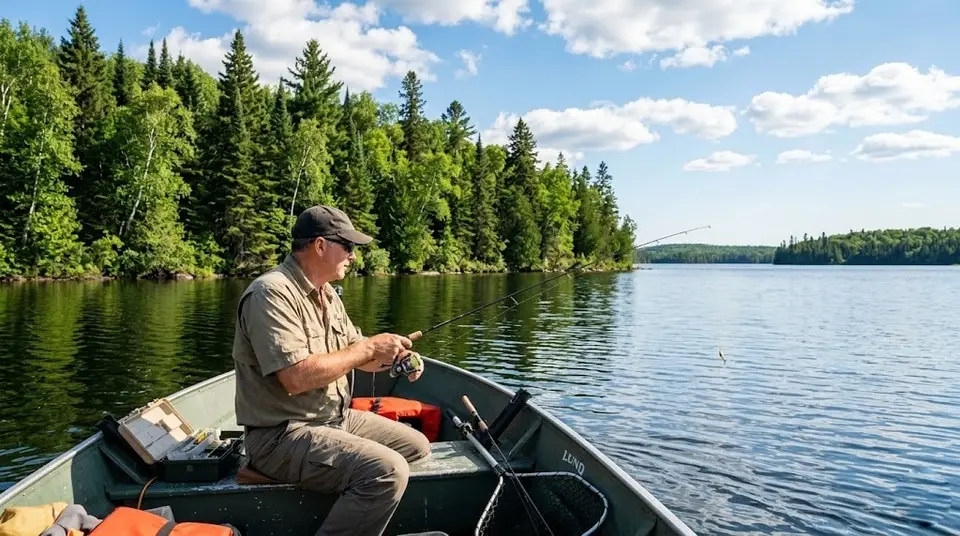
Summer fishing is a study in contrasts. The weather is gorgeous, the days are long, and there is no better time to be on the water.
Spring Fishing Guide
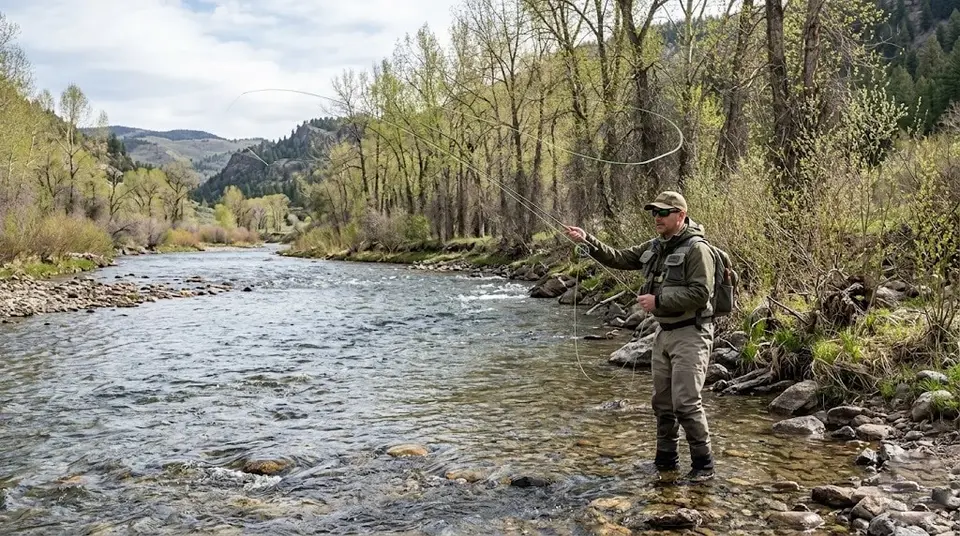
Spring is the season every angler waits for: fish move shallow and spawn. When bass, crappie and bluegill spawn, where to find them, and how to fish the season, following the Missouri Department of Conservation's field guide and fishing pages.
Pike and Muskie: Chasing Apex Predators
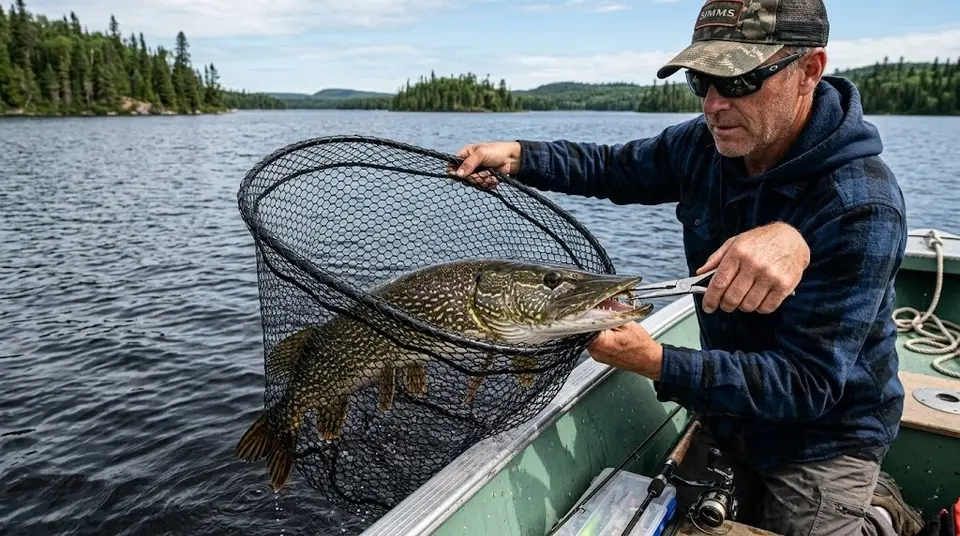
Northern pike and muskellunge: how to tell them apart, where they live, the heavy tackle and steel leaders they need, big lures, the figure-eight, and careful release, following the Missouri Department of Conservation and New York DEC.
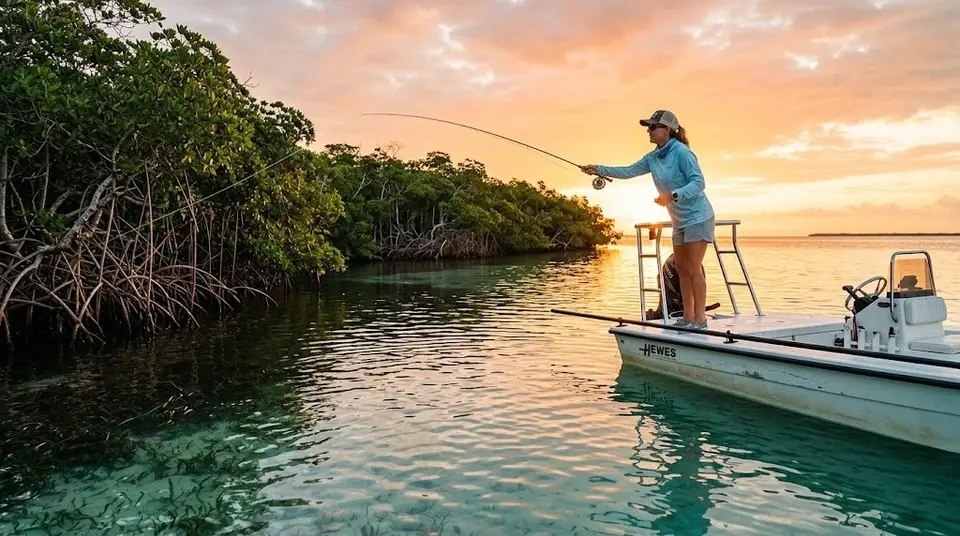
Inshore Saltwater Fishing: Redfish and Trout
Red drum and spotted seatrout in marsh creeks, oyster bars and inlets: what they eat, how tide stage moves them, where to fish, float and bottom rigs, baits, light tackle, and release, following South Carolina DNR's red drum and seatrout reports and NOAA Fisheries.
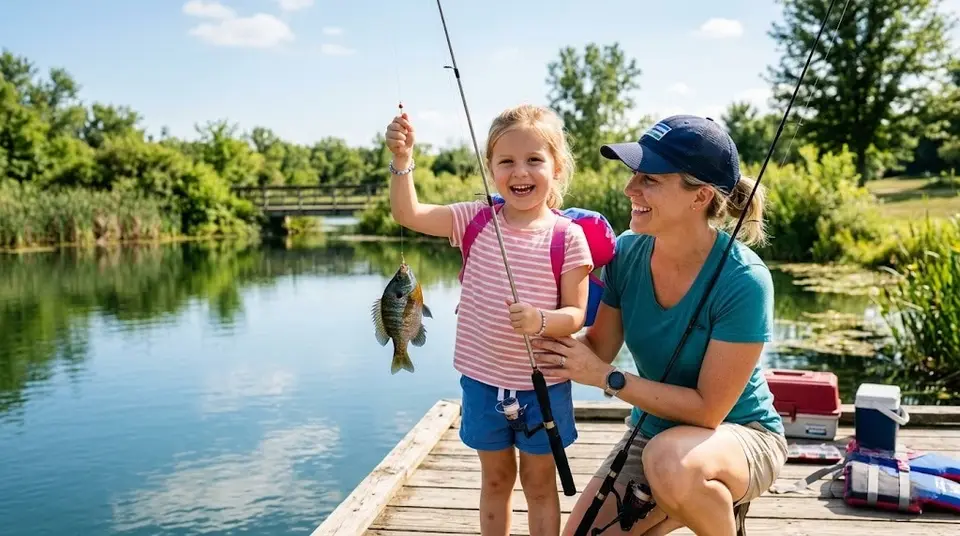
Catching Bluegill and Panfish with Kids
If you want to turn a child into a lifelong angler, don't take them bass fishing. Take them bluegill fishing.
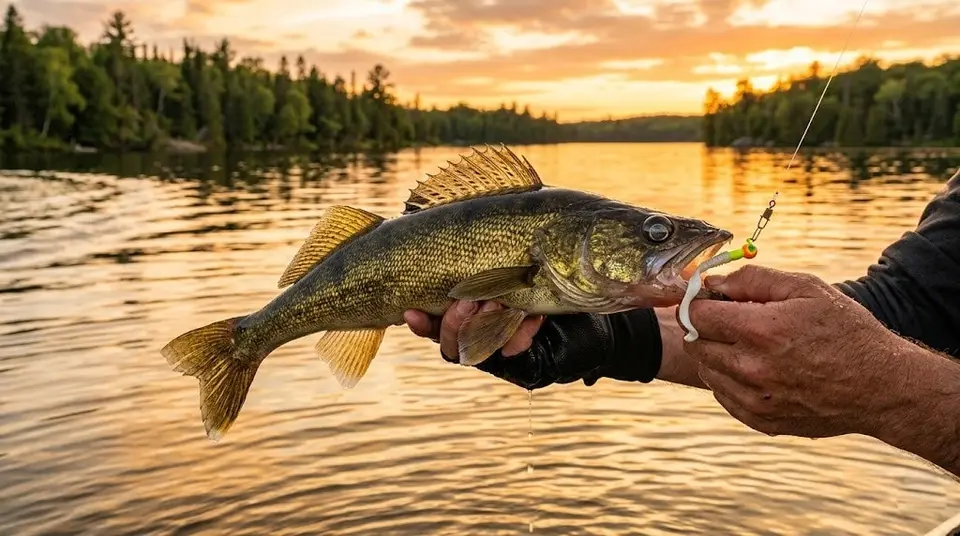
Walleye Fishing Tactics That Work
How walleye live and feed, where to find them through the seasons, and the baits and presentations that catch them - jigs, live bait, trolling and vertical fishing - following the Missouri Department of Conservation's field guide and walleye fishing tips.
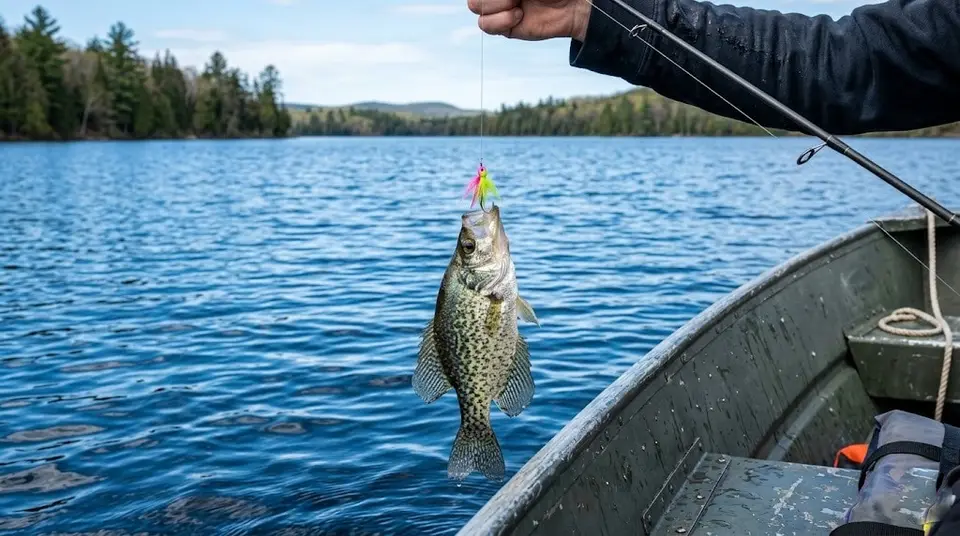
How to Catch Crappie
Crappie are schooling fish that move around with the seasons. Pin down where they are right now - here's how to catch crappie all year long.
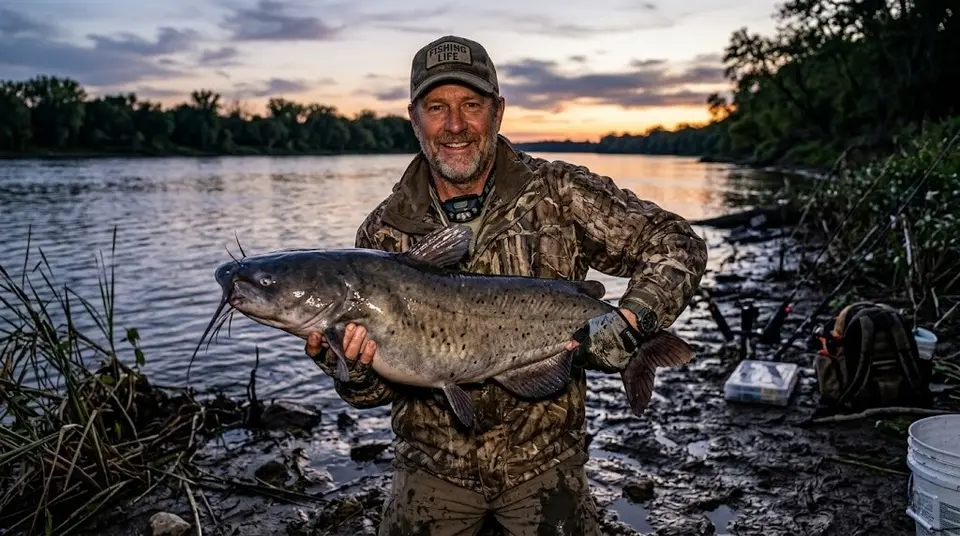
Catfishing: Baits, Rigs, and Spots
Catfish are big, strong, abundant and simple to get into. The three species you'll target, the baits that catch them, the rigs that hold up, and where to look.
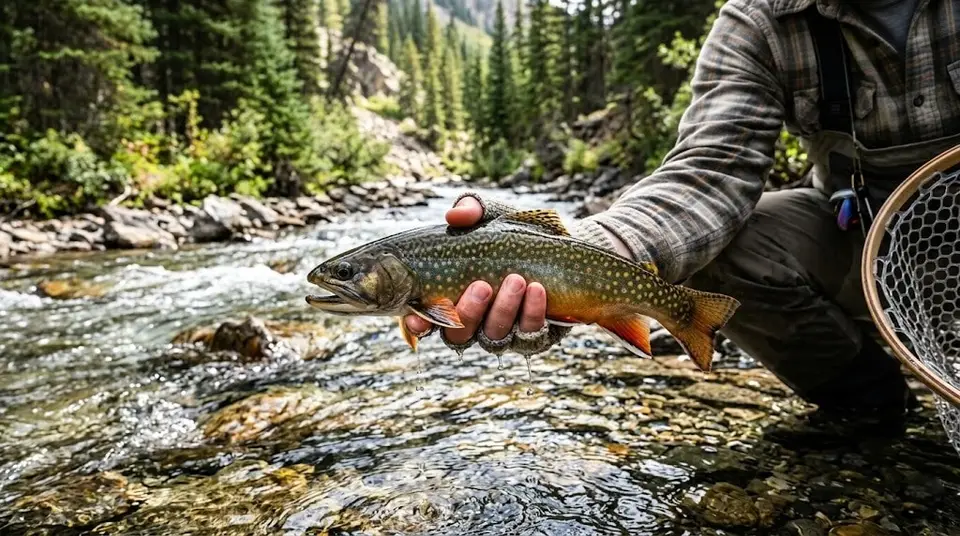
Trout Fishing for Beginners
Stream and stocked-water trout for beginners: the three common trout, simple spinning gear and leaders, baits and lures, drift, float and bottom fishing, reading pockets, pools and runs, and careful release, following New York DEC and the Missouri Department of Conservation.
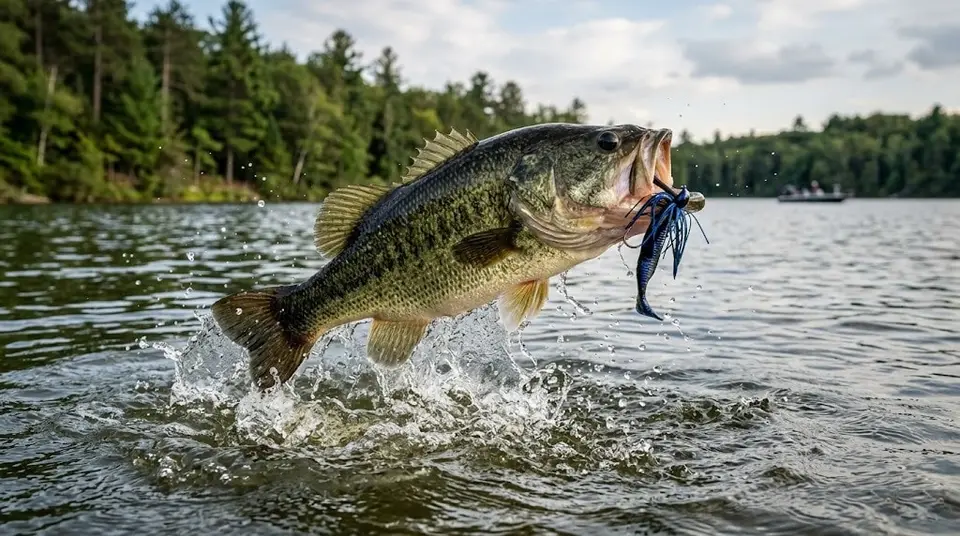
How to Catch Largemouth Bass
Where largemouth bass live and what they eat, the lake cover to fish, the rigs New York DEC suggests (spinnerbait, Texas rig, wacky rig, crankbait), the spawn and best season, hooksets and handling.
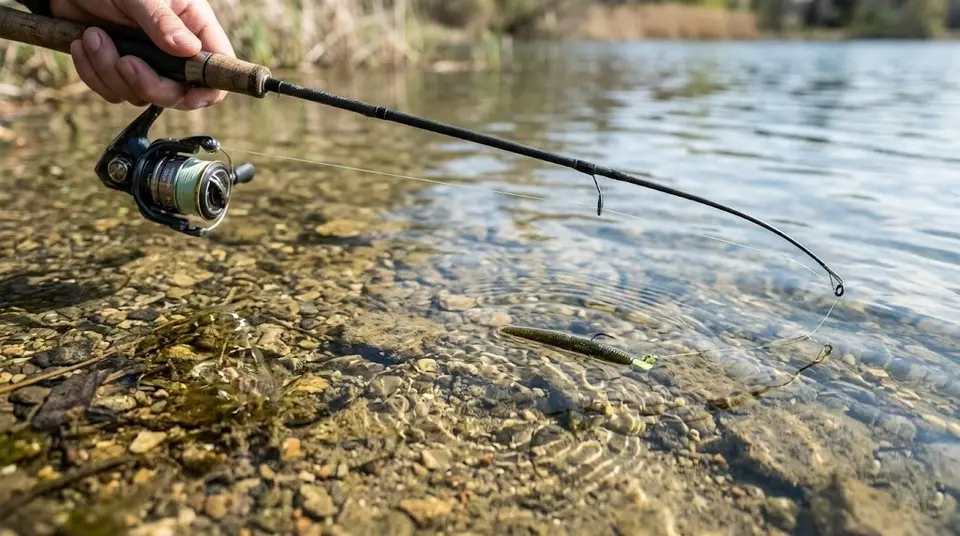
Finesse Fishing Tactics
Finesse fishing means small soft plastics, light line and slow presentations. The Ned rig, drop shot, wacky rig and tube as state agencies describe them, when to slow down, light-line gear, and how to see bites you can't feel.
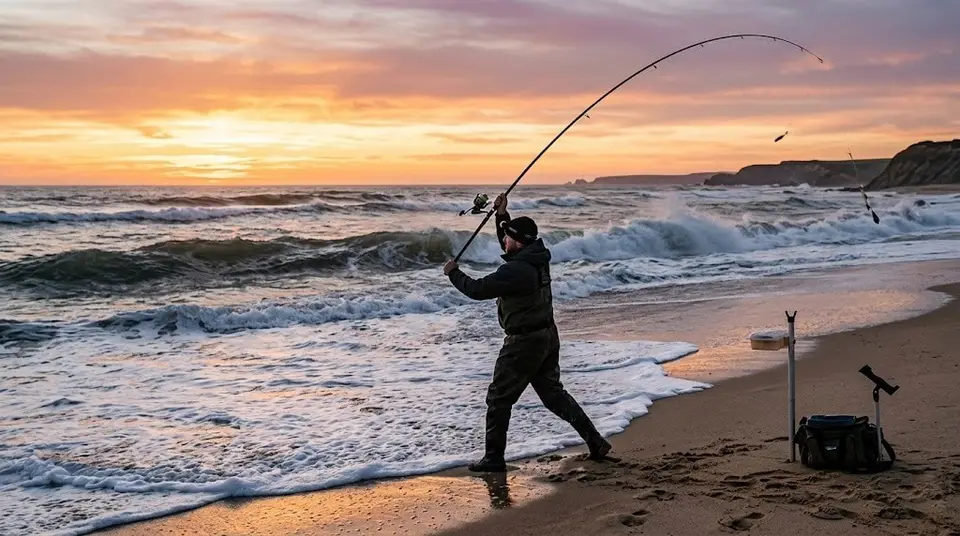
Surf Fishing from the Beach
There's something timeless about standing in the wash with a rod planted in the sand, watching a tip nod in the breeze.
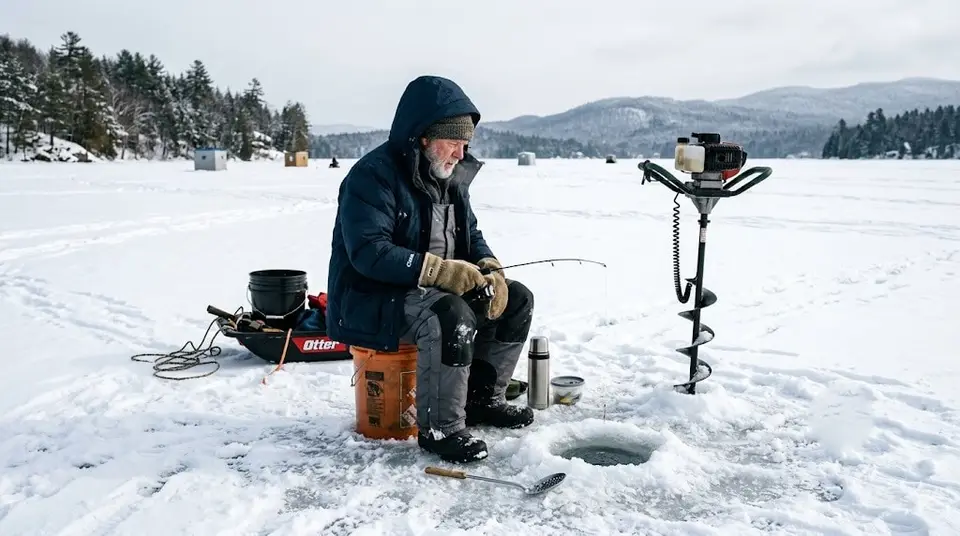
Ice Fishing: Gear and Safety Basics
Ice fishing turns a frozen lake into a fishery again. Ice safety comes first, then the basic gear, how to catch fish through a hole and the mistakes beginners make.
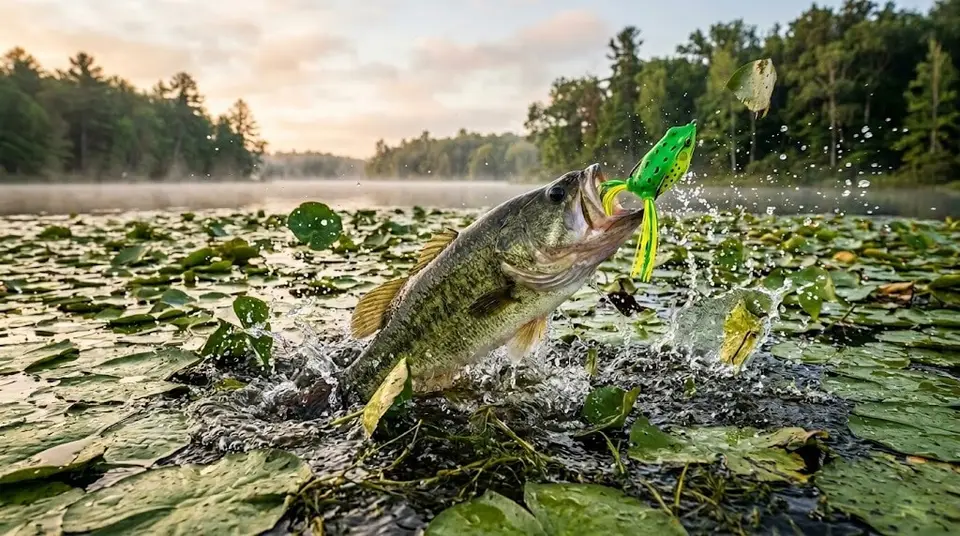
Bass Fishing in Lily Pads
Why lily pads hold bass, where to cast in a pad field, hollow-body frogs and how long to wait before the hookset, heavy braid and stiff rods, Texas-rigged worms and spinnerbaits for the edges, following New York DEC and an Outdoor Life frog-fishing guide.
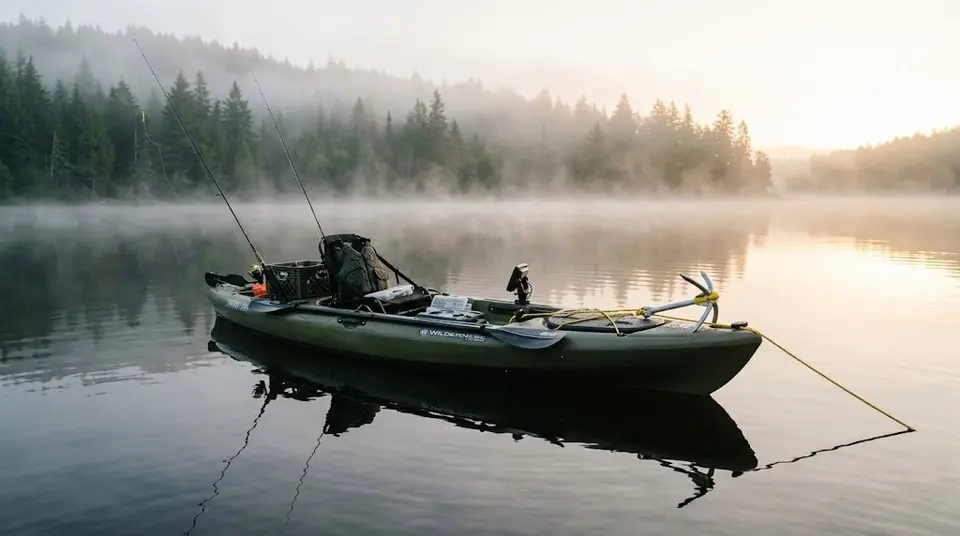
Boat Anchors for Fishing
How anchors hold, the main types for small fishing boats (fluke, grapnel, mushroom, plough, claw, deadweight) and the bottoms each suits, drift socks, scope and how much rode to let out, setting and two-anchor methods, and why you anchor from the bow, following Wikipedia and a state boater safety course.
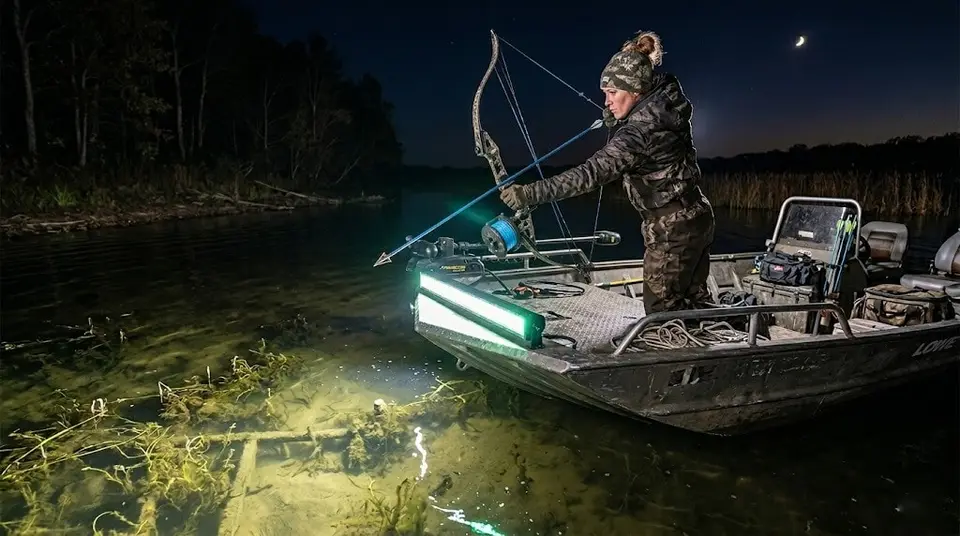
Bowfishing for Beginners: Bows, Arrows, Regulations
Bowfishing is the bridge between archery and angling - a fast, visual, often nighttime pursuit of carp, gar and other rough fish with a bow.
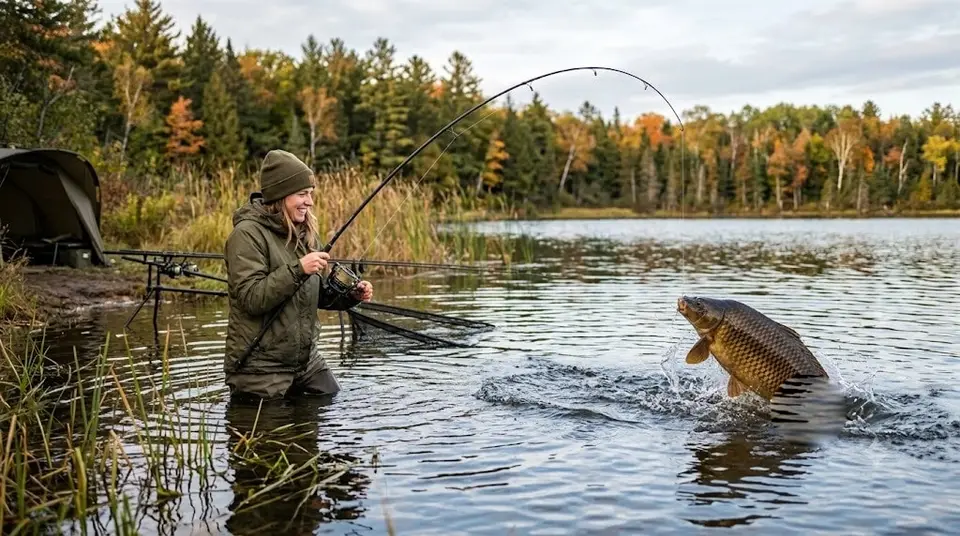
Carp Fishing for Beginners
Common carp are big, strong and often overlooked. Where they live and feed, the baits they take, the hair rig and boilies that European carp anglers use, and how to land and release them, following the Missouri Department of Conservation and Wikipedia.
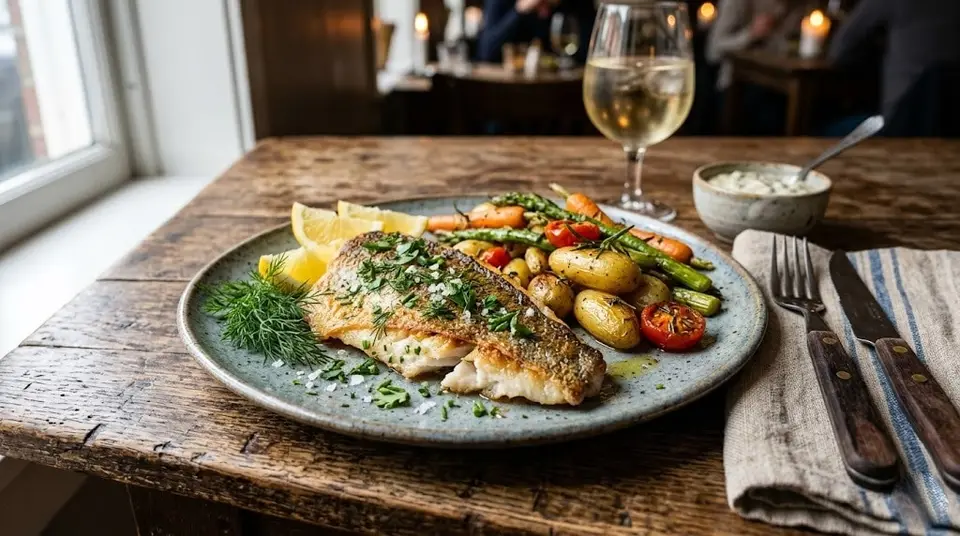
Catch and Cook Guide
The full catch-and-cook cycle is one of fishing's deepest rewards: handling a fish from water to table and knowing exactly what you are eating.
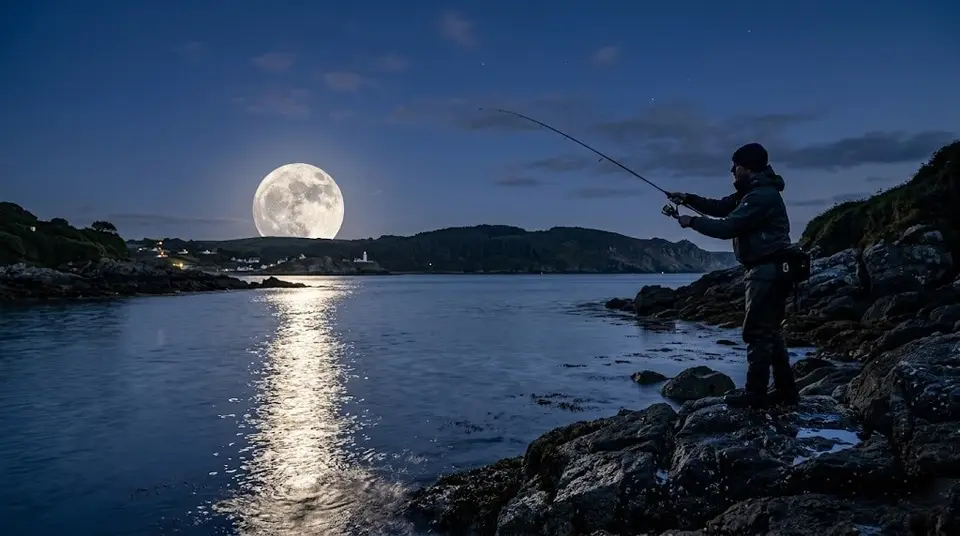
Fishing by Moon Phase
Anglers have planned trips around moon phases for centuries. What the moon does to fish, which conditions predict a good day better, and when it matters.
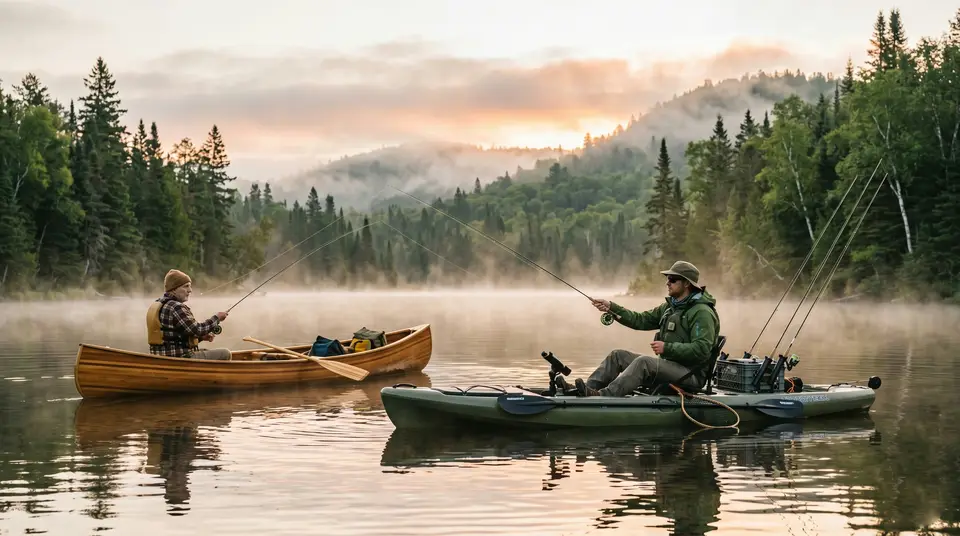
Fishing Kayak vs Canoe
Choosing between a fishing kayak and a fishing canoe shapes how you fish for the next decade.
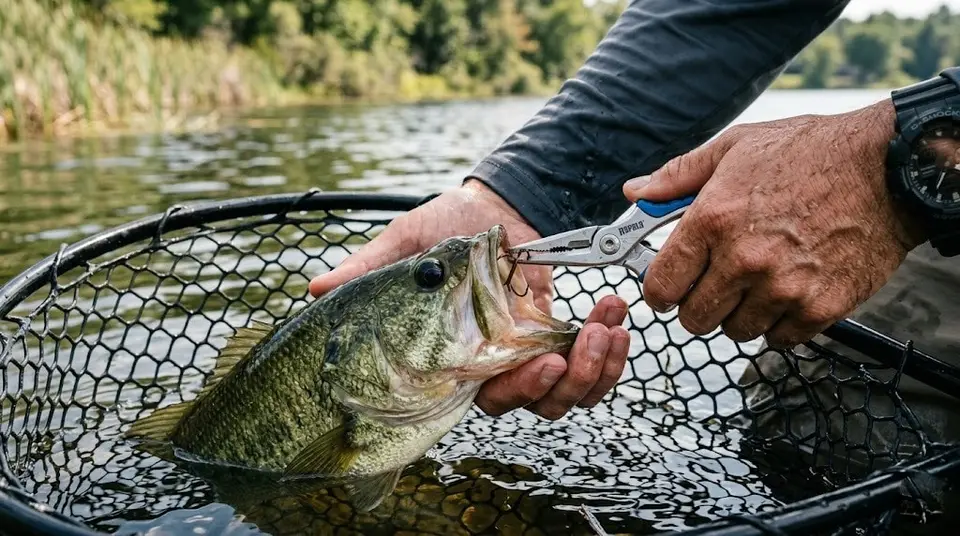
Fishing Pliers vs Forceps
When to reach for pliers and when for forceps, three fishing pliers compared from their makers' specs - stainless, aluminum and titanium - the main types of each tool, dehooking technique and barbless hooks.
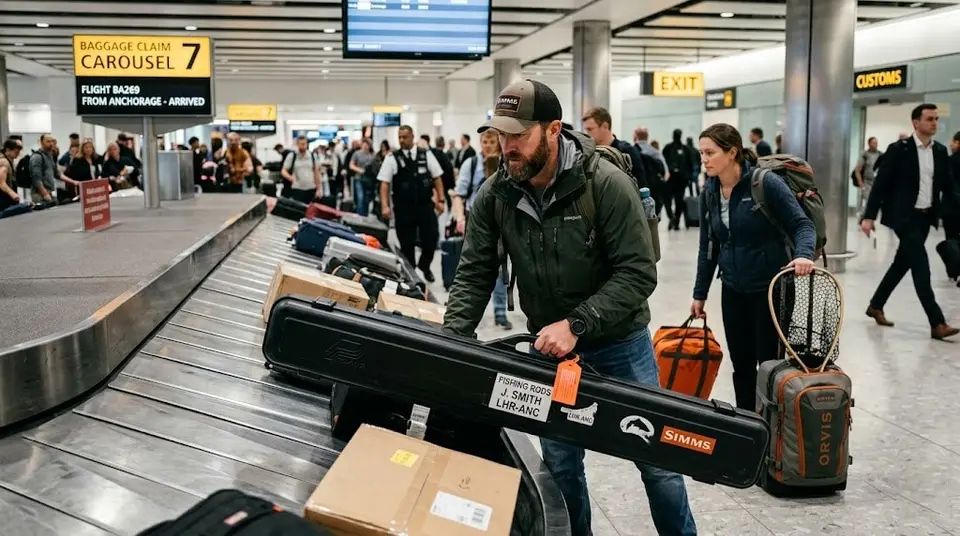
Fishing Rod Travel Cases
Hard tubes, soft cases and airline-grade cases for fishing rods: what to look for in each, what the TSA says about rods, hooks and pliers, and how to carry rods by car.
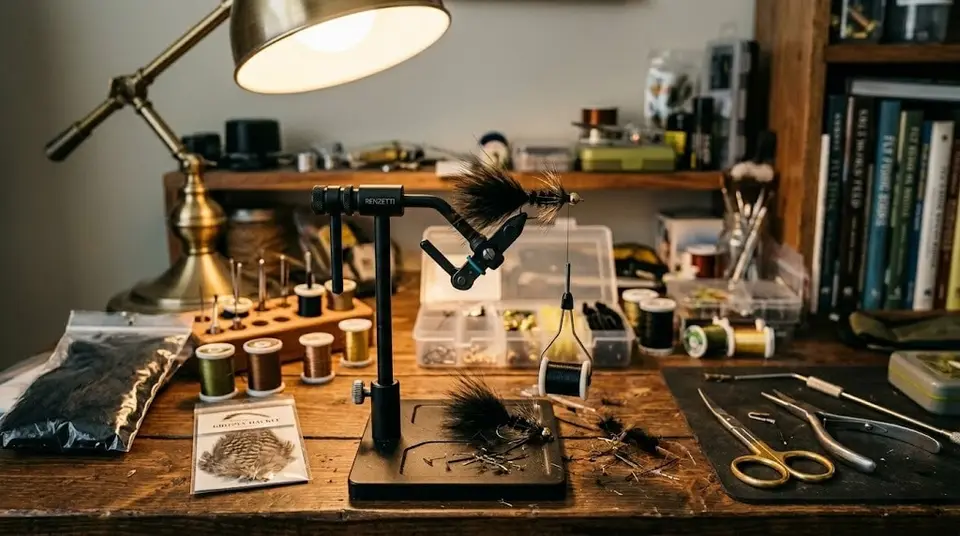
Fly Tying for Beginners
Fly tying is binding materials to a hook with thread. The vise, bobbin and other tools, thread sizes, hook sizes, hackle, dubbing and beads, what a fly pattern tells you, and five classic beginner patterns with their history, following Wikipedia's fly tying and pattern articles.
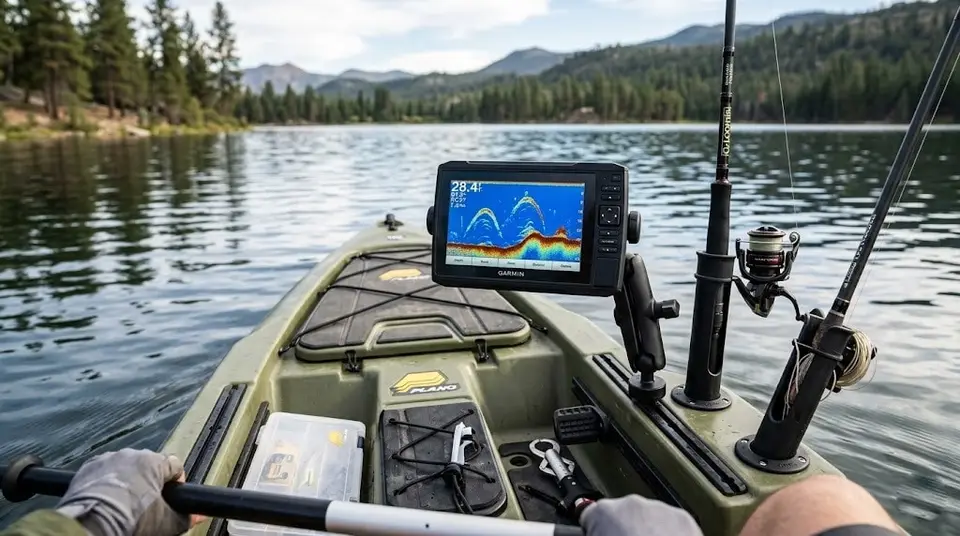
Installing a Kayak Fish Finder
A planning checklist for putting a fish finder on a kayak: where the screen goes, the three common transducer mounting methods and why the unit's manual decides, battery storage and wiring order, cable routing, testing on the water, and the safety points, with how sonar works from NOAA and Wikipedia.
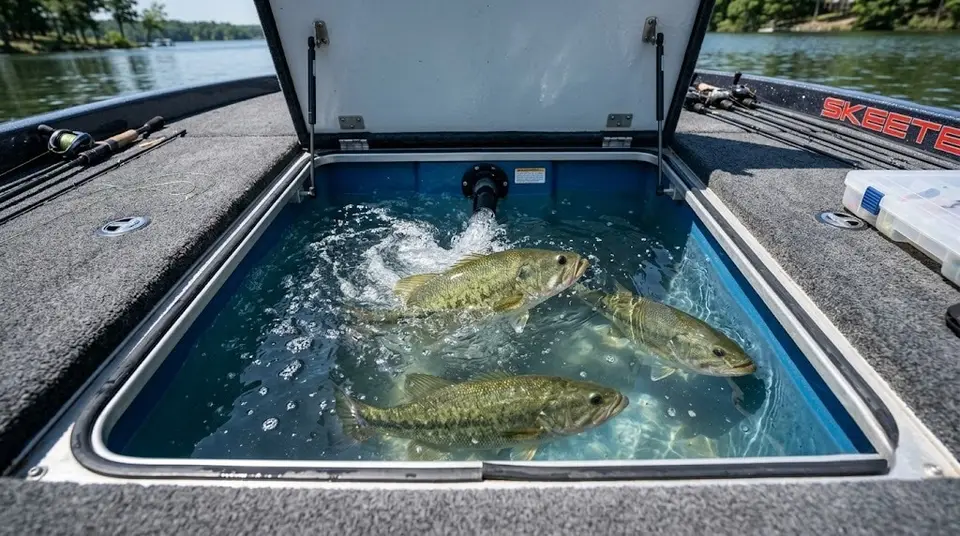
Live Well Setup Guide
Tournament livewell or bait tank, the principles are the same: oxygen, temperature, water quality and stress reduction.
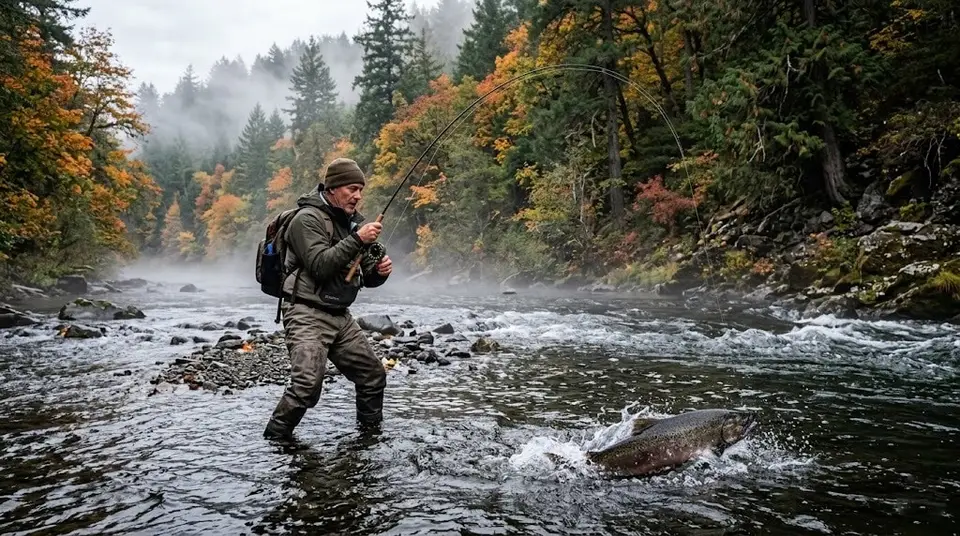
River Salmon Fishing Guide
River salmon fishing is one of angling's most demanding pursuits. Reading salmon water, then drift fishing, bobber-and-jig, plug pulling, back-bouncing and fly fishing.
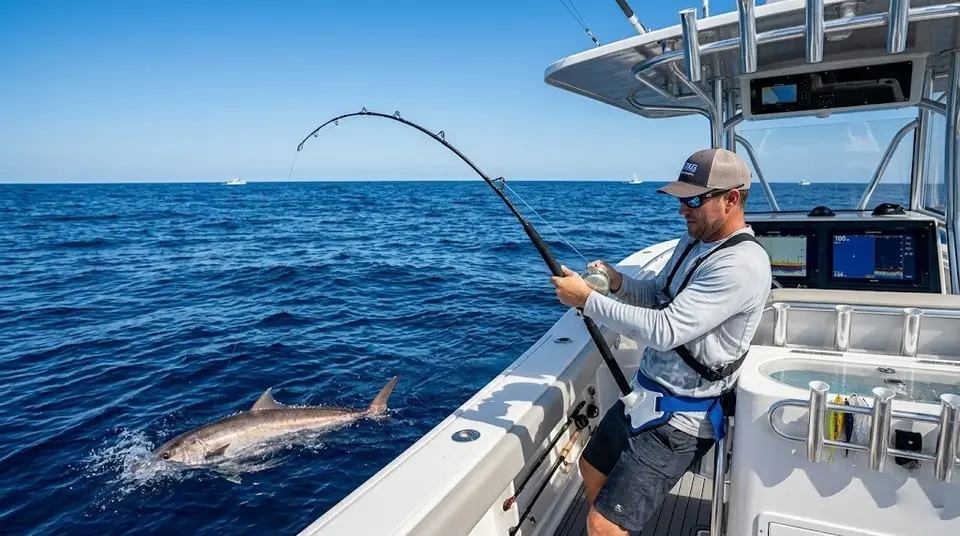
Saltwater Jigging Guide: Depths, Jigs, Techniques
Vertical jigging for bottom and mid-water saltwater fish, with a focus on slow-pitch: centre- and rear-weighted jigs, jig weight by depth and current, thin braid and leaders, assist hooks, the slow-pitch and long-fall retrieves, staying vertical, and releasing deep fish with barotrauma.
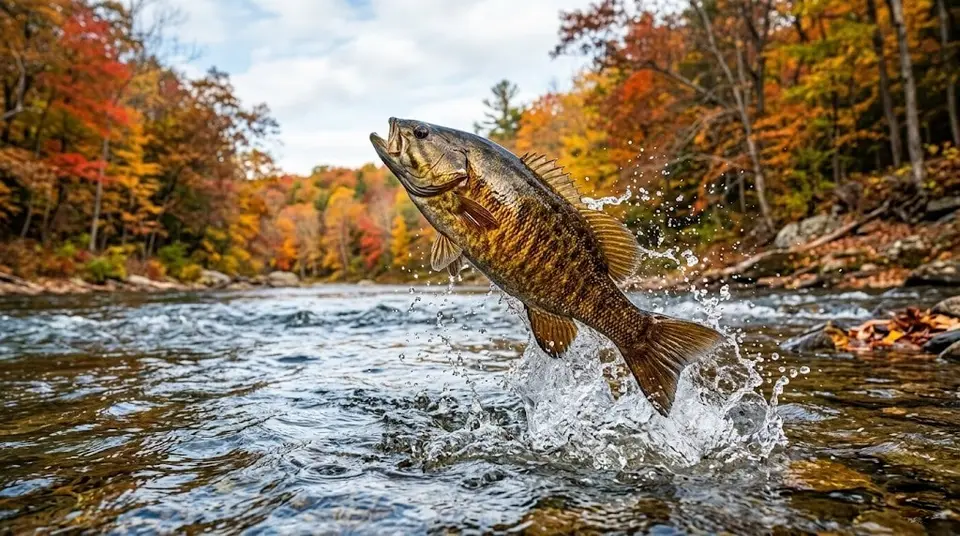
Smallmouth Bass Tactics
Where smallmouth bass live in rivers and lakes, what they eat, the rigs New York DEC suggests (tube, Ned rig, drop shot, crankbait), the go-to tackle, the best season and careful release.
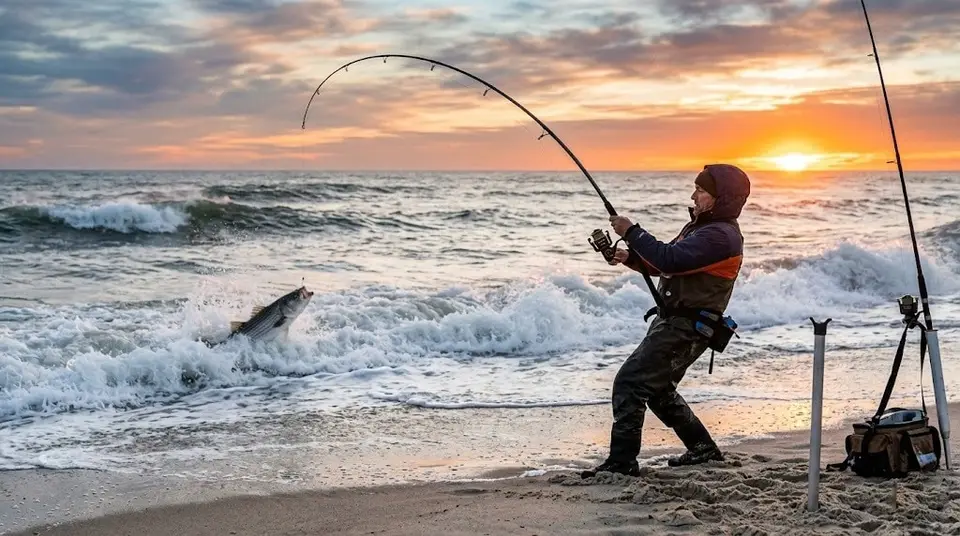
Striper Fishing: Surf, Boat, Best Lures
Striped bass are among the most sought-after gamefish on the East Coast, with freshwater fisheries in lakes from California to the Carolinas.
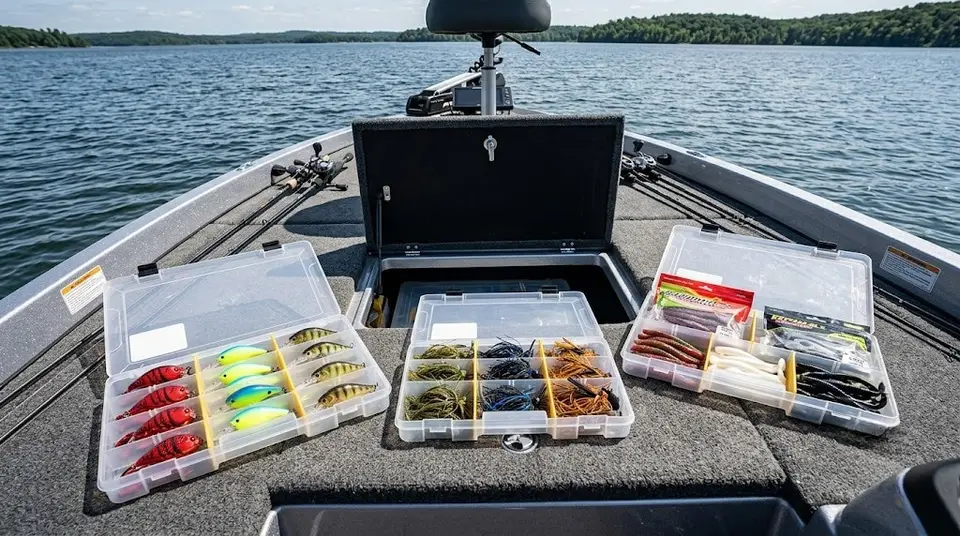
Tackle Organizers Compared
Standard trays, heavy-duty sealed boxes or soft bags: how the three ways of organizing tackle compare, what to look at when buying, and layouts for bank, kayak, boat and saltwater fishing.
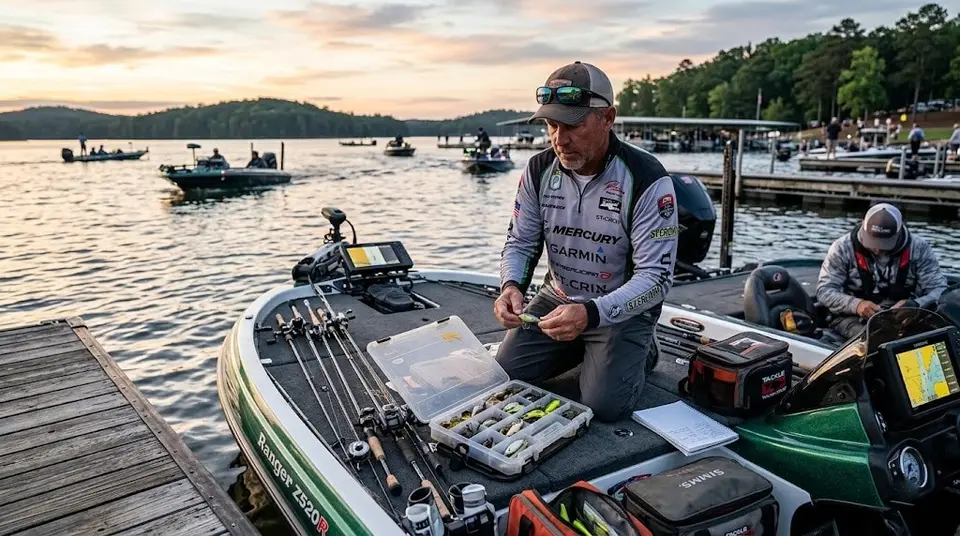
Tournament Prep: Gear List, Pre-Fish, Mindset
A practical checklist for a fishing tournament: rules first, rods and tackle, boat and livewell prep, safety gear and the engine cut-off switch law, pre-fishing, keeping fish alive to weigh-in with Arkansas Game and Fish's livewell figures, and staying steady on the day.
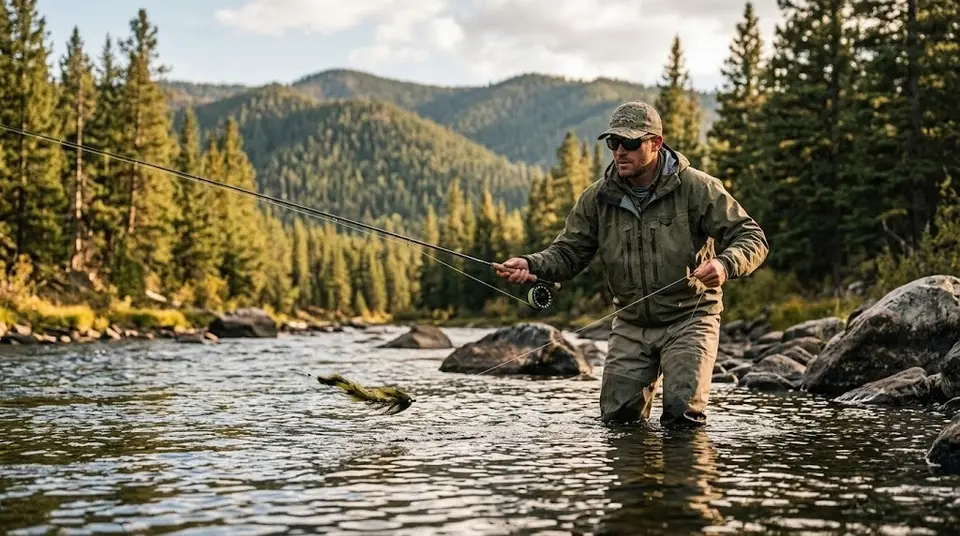
Trout Streamer Fishing
Streamers imitate baitfish, sculpins, leeches and crayfish. Why big trout take them, starter patterns, floating lines, sinking poly leaders and sink tips, retrieves for cold and warm water, and setting the hook with the line hand.
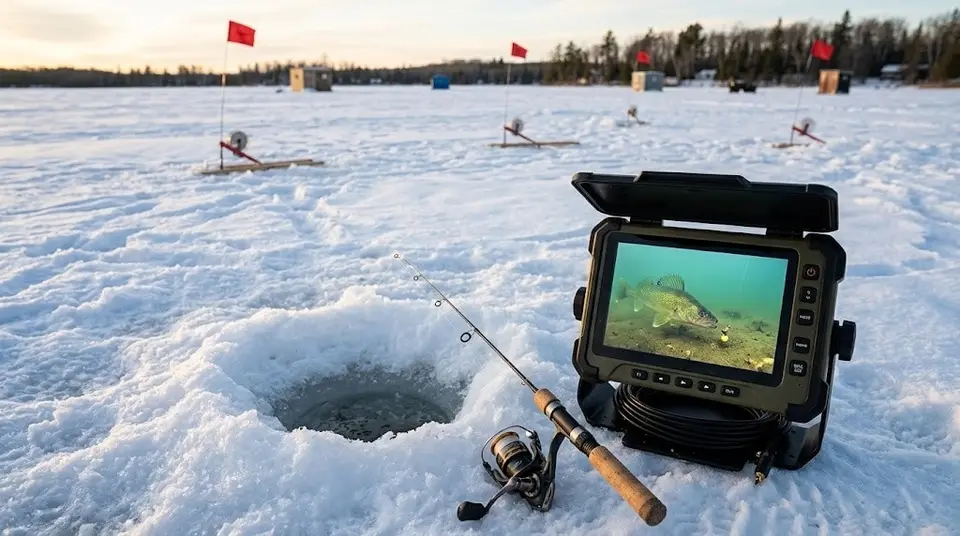
Underwater Fishing Cameras Compared
What an underwater fishing camera does that sonar cannot, the kinds on sale, what to compare on the makers' specification sheets, and how to use one through the ice, from a boat or off a dock.
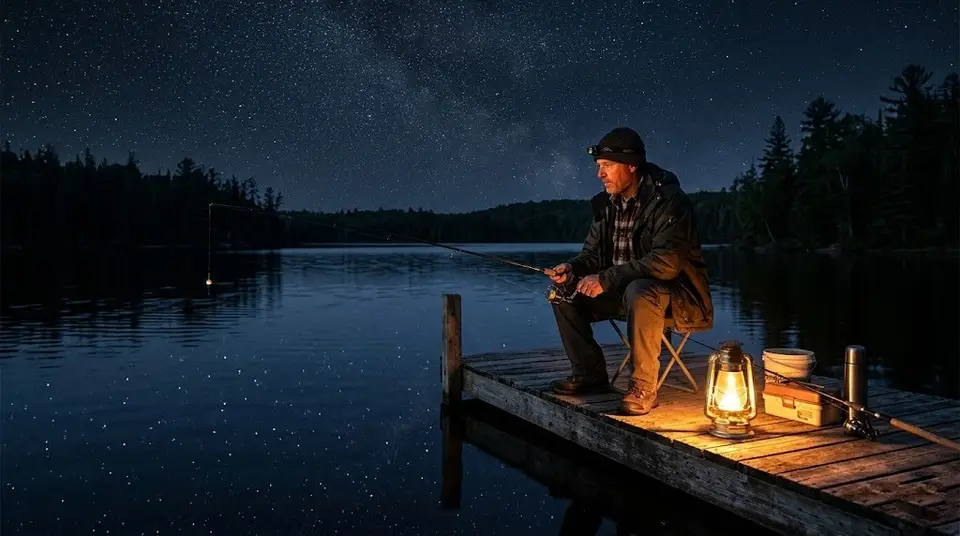
Night Fishing: Tips for After Dark
When the sun goes down, a lake transforms. Night fishing has its own rhythm, gear and safety considerations - here is how to do it well and stay safe.
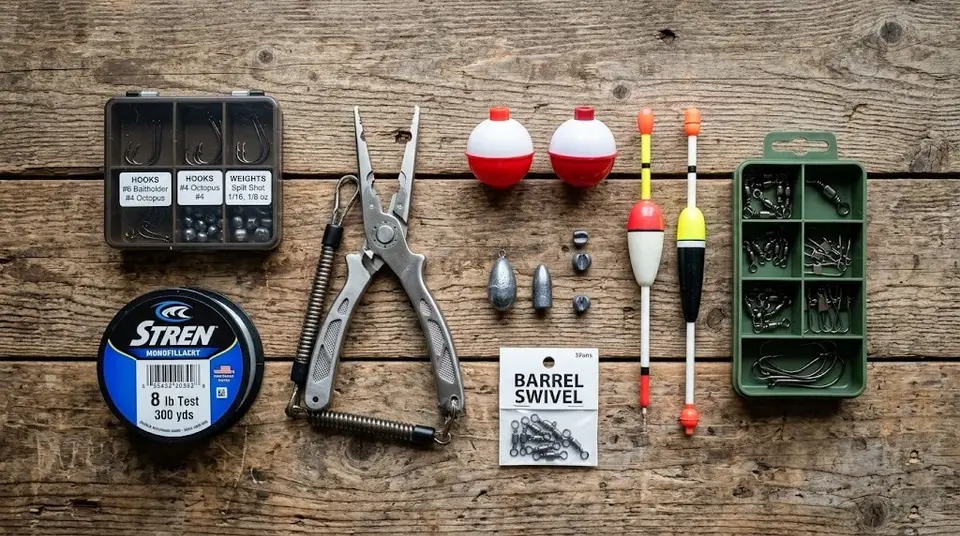
Must-Have Tackle for a Beginner's Box
The wall of tackle at the store can be paralysing. The short list a beginner needs - hooks, weights, bobbers, a few lures and the tools - following the Missouri Department of Conservation's beginner gear and bait guides.
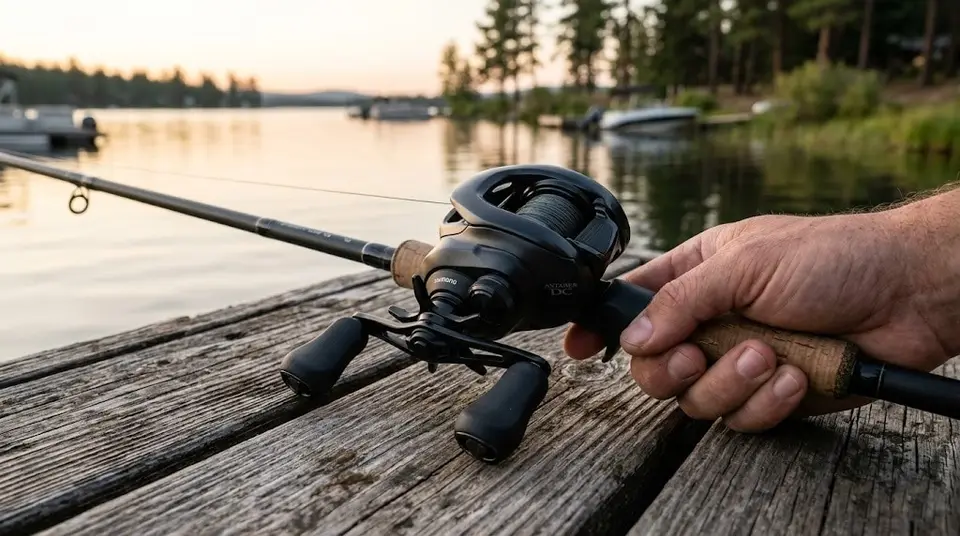
How to Choose a Baitcasting Reel
What a baitcasting reel does well, the features that matter (brakes, gear ratio, drag, level-wind), how to set the brake and spool tension, how full to fill it, rod pairing, and saltwater care, following Wikipedia, Game & Fish and anglers' technique guides.
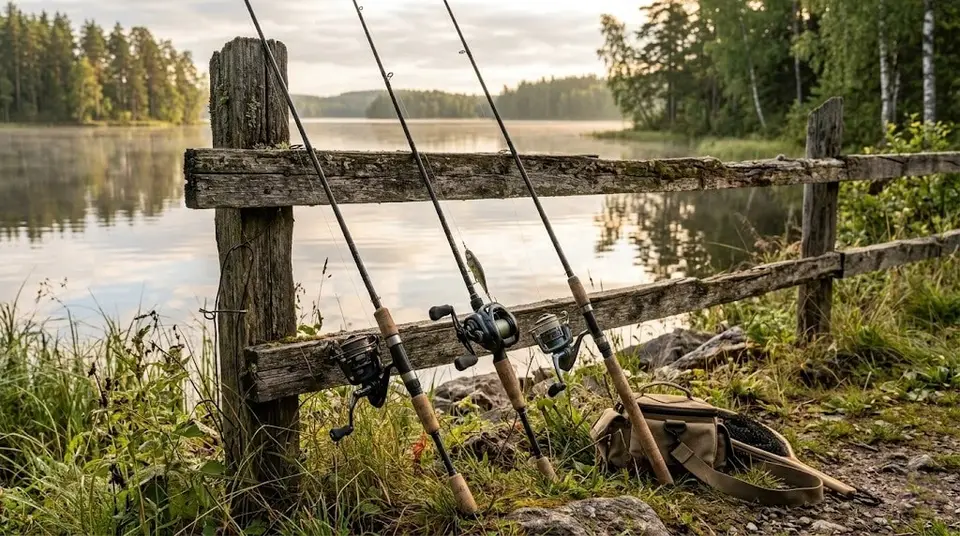
Choosing a Beginner Rod-and-Reel Combo
Why most beginners should start with a spinning or spincast combo, the rod lengths and line strengths state agencies suggest for bass, trout, panfish and inshore fish, graphite vs. fiberglass, and the drag, following New York DEC, the Missouri Department of Conservation, South Carolina DNR and Wikipedia.
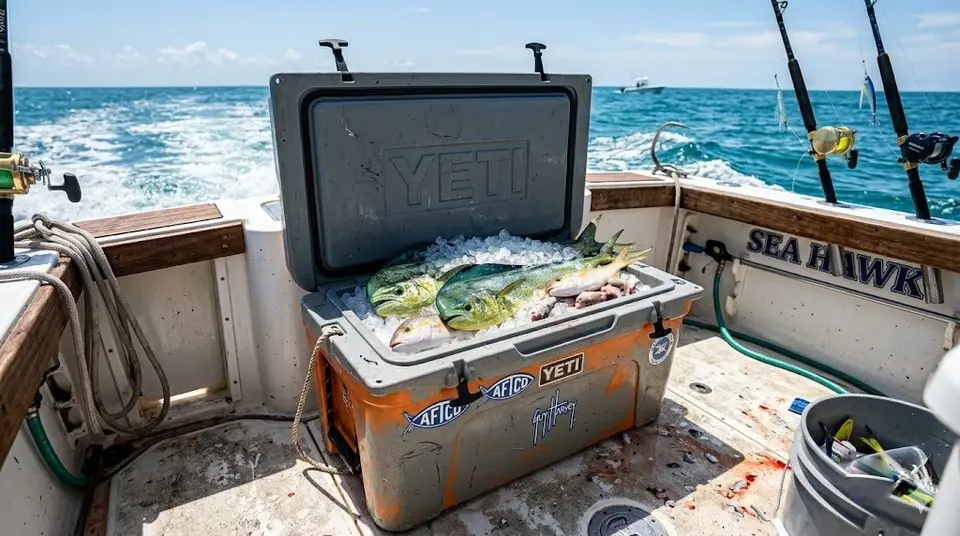
How to Choose a Fishing Cooler
A cooler's main job for an angler is keeping the catch cold. Hard, soft and fish-bag options, why chipped ice and an ice slurry beat block ice for fish, bleeding and gutting, keeping catch separate from food, and the rules to check, following Wyoming Game & Fish, the FAO and state agencies.
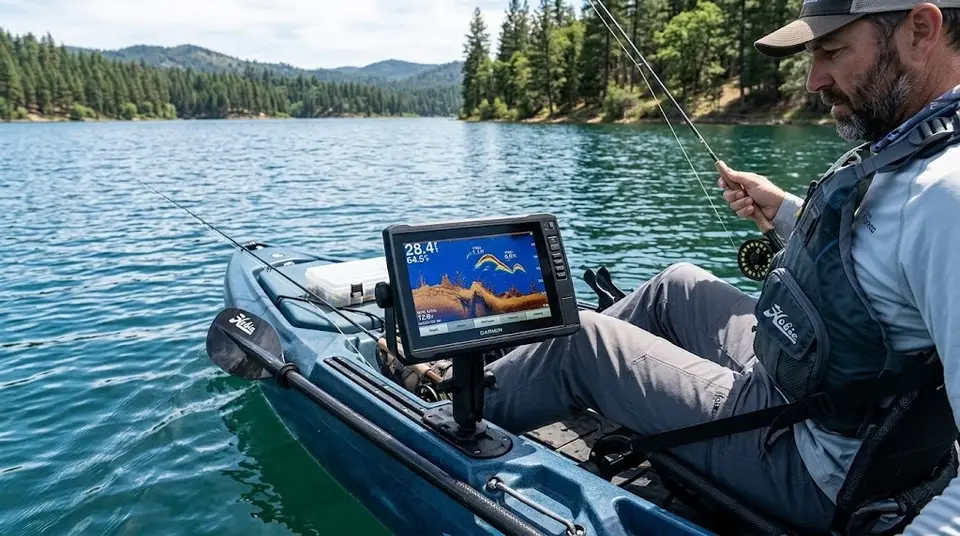
Choosing a Fish Finder Under $500
How a fish finder works, what fish arches, bait balls and bottom look like on screen, frequency and detail, the features to compare in a budget unit, transducer and installation questions to settle first, and how anglers use one, following Wikipedia, NOAA and angling guides.
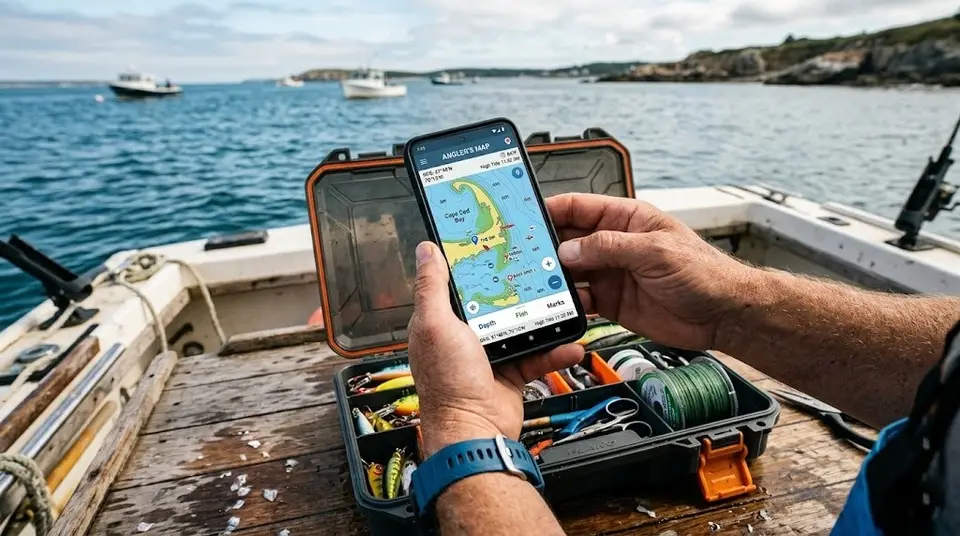
Best Fishing Apps & Tech 2026
Twenty years ago, a smart angler carried a paper lake map, a thermometer, and a notebook. Today, all of that fits in your pocket-and it works harder than ever.
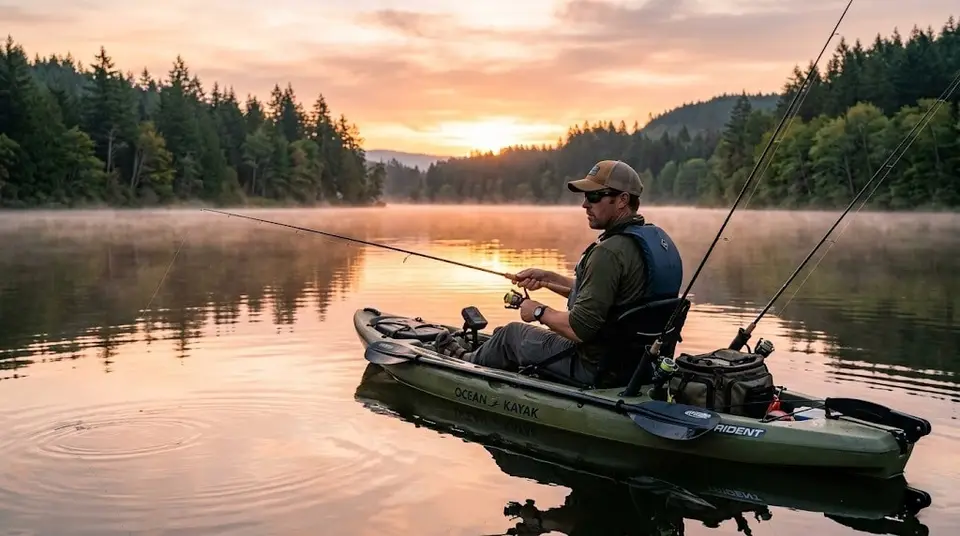
How to Choose a Fishing Kayak
What fishing kayaks offer, sit-on-top vs. sit-inside, paddle, pedal and motor drives, wide stable hulls, the fishing features to look for, transport, and the life jacket, cold-water and communication rules from the US Coast Guard and Connecticut DEEP.
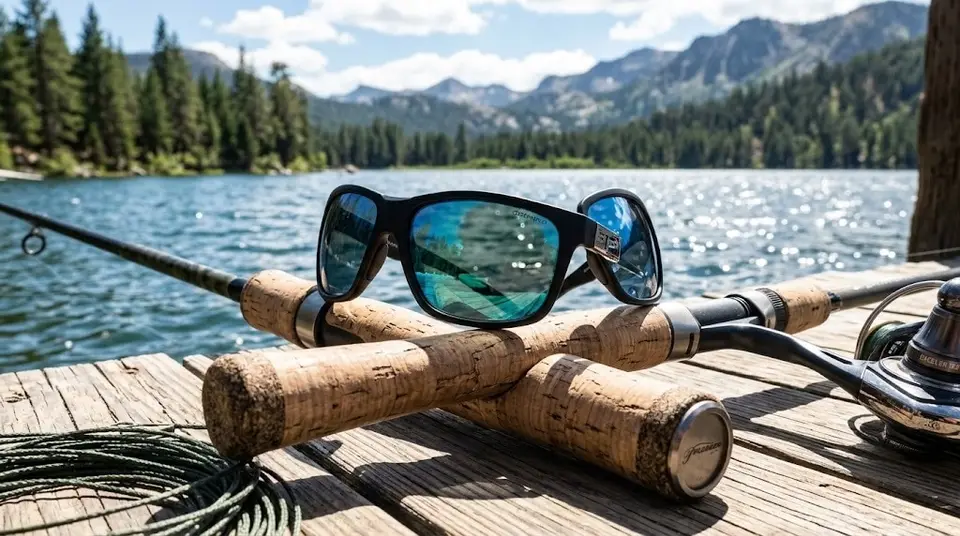
Best Polarized Sunglasses for Fishing
Four polarized fishing sunglasses compared from their makers' specs - lens material, lens colours and what they are for, fit and frame - plus how to choose lens colour, glass or polycarbonate and coverage.
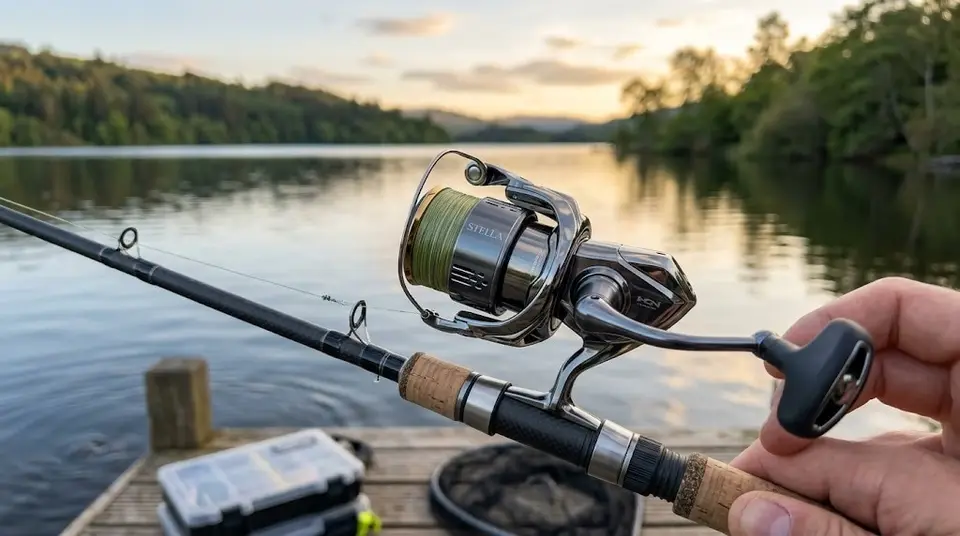
Best Spinning Reels for Trout
Five trout-size spinning reels compared from their makers' specs (gear ratio, drag, weight, line capacity, bearings), plus how to size a spinning reel for any fishing and what separates a good one.
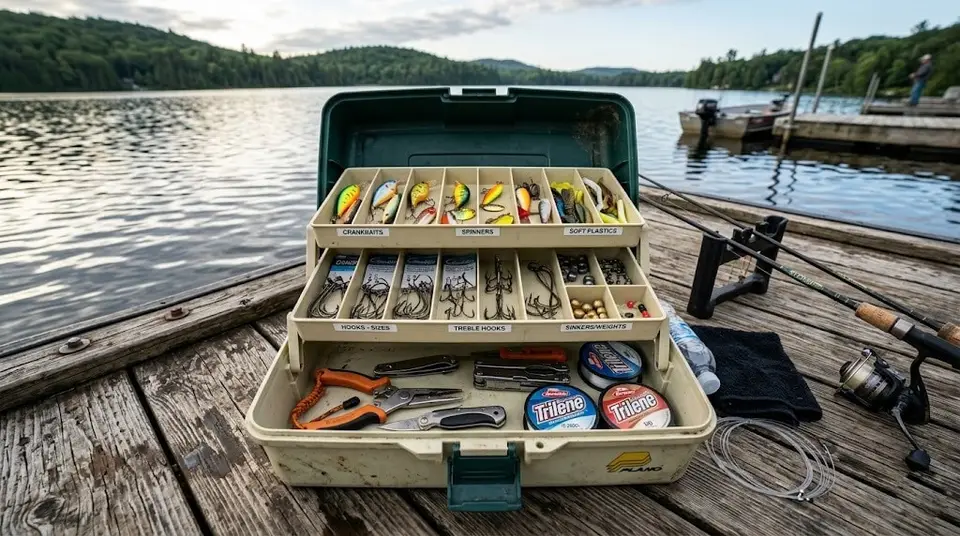
Best Tackle Boxes and Bags
Hard boxes, soft bags with trays, and backpacks: how to pick storage for the way you reach the water, what to keep inside according to state agency beginner guides, organising rigs in advance, and keeping hooks and gear dry.
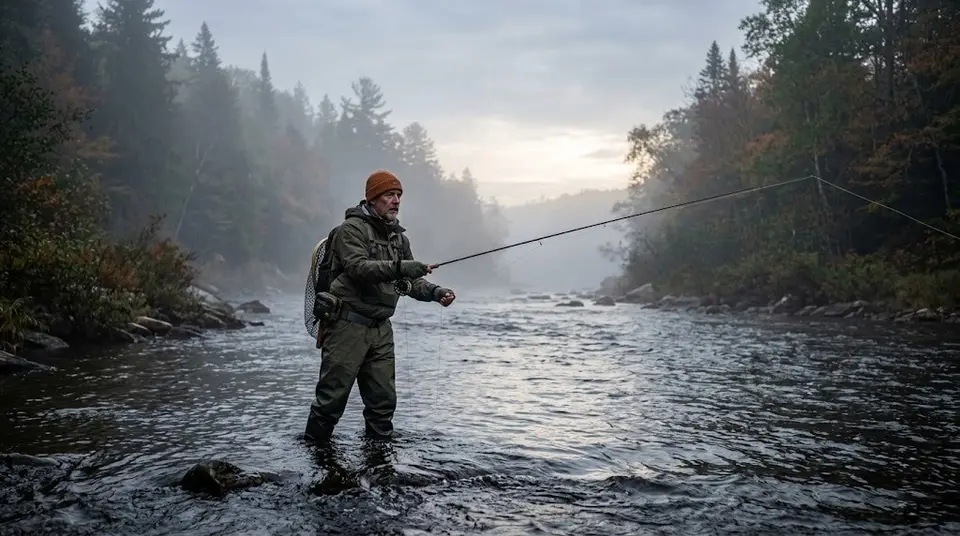
Choosing Waders for Cold-Water Fishing
Hip, chest and full-body waders, bootfoot vs. stockingfoot, materials, layering, felt-sole bans and cleaning gear between waters, and the cold-water and boat safety rules that matter more than the waders themselves, following Wikipedia, South Carolina DNR, the US Coast Guard and state agencies.
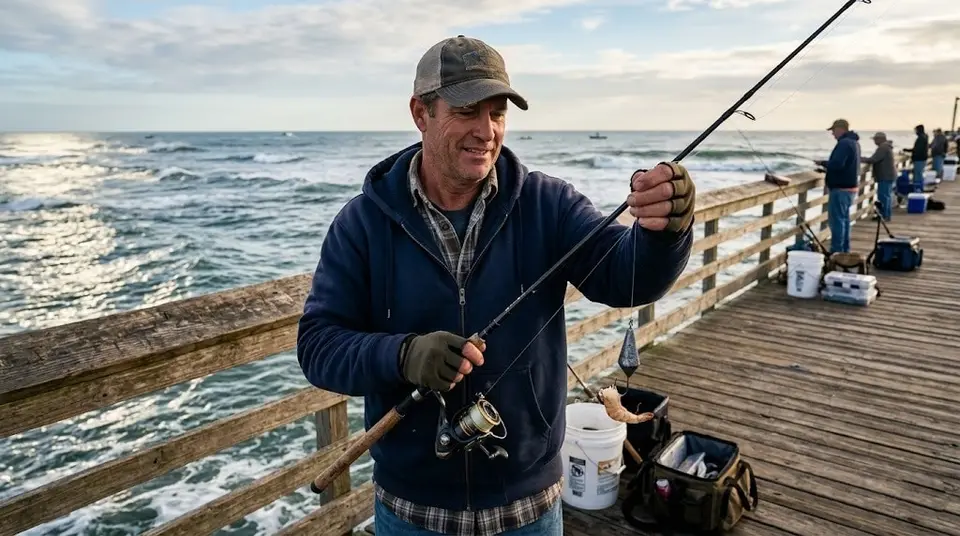
Bottom Fishing Explained
Bottom fishing puts bait on or near the bottom with a sinker. Simple split-shot and Carolina rigs, baits for catfish, trout and panfish, how to set the line and read a bite, snags, and releasing deep saltwater fish with barotrauma, following the Missouri Department of Conservation, Wikipedia and NOAA Fisheries.
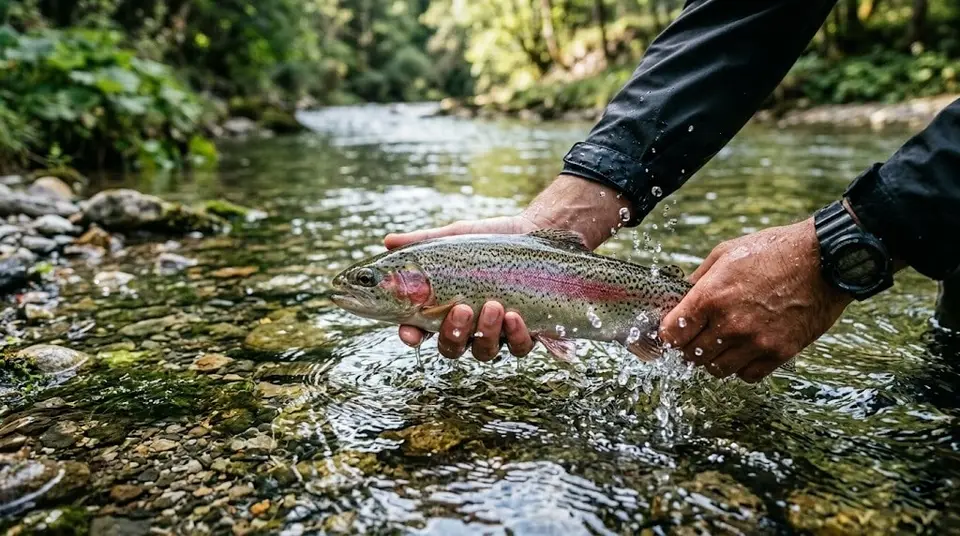
Catch and Release Done Right
Catch and release is one of the best things to happen to American fishing.
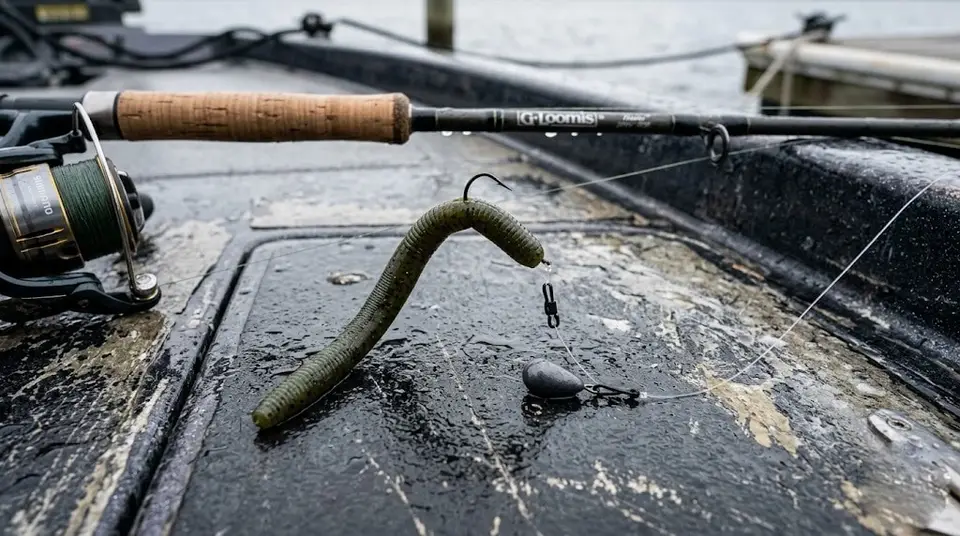
Drop Shot Rigging and Technique
A drop shot holds a soft plastic above the bottom with the weight at the end of the line. How Virginia DWR and New York DEC tie it, hook and weight sizes, tag length, bait choice, line, and the sit-and-shake retrieve for bass in deep, clear water.
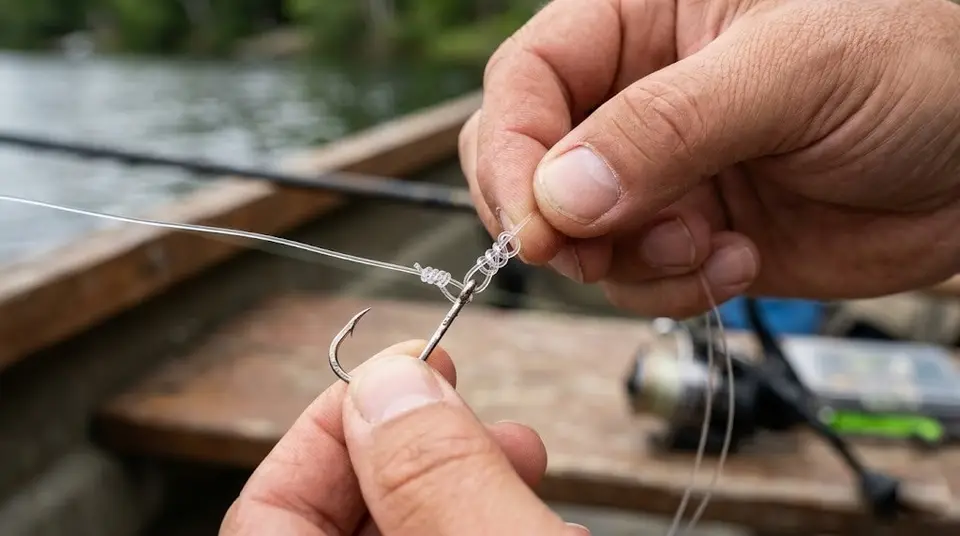
7 Essential Fishing Knots
Seven fishing knots that cover most situations - improved clinch, Palomar, uni, double uni, FG, non-slip loop and arbor - with how to tie each and what it's for, following the Missouri Department of Conservation, Animated Knots and Wikipedia.
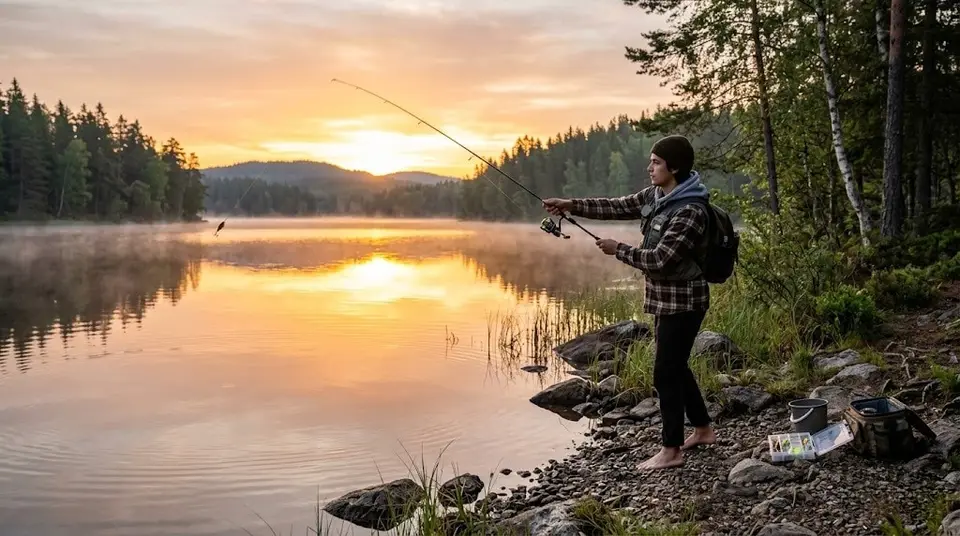
Fishing for Beginners
A license, a short gear list, bait, a bobber rig and where to look for fish - then how to hook, land and handle your first one, following the Missouri Department of Conservation's beginner guides.
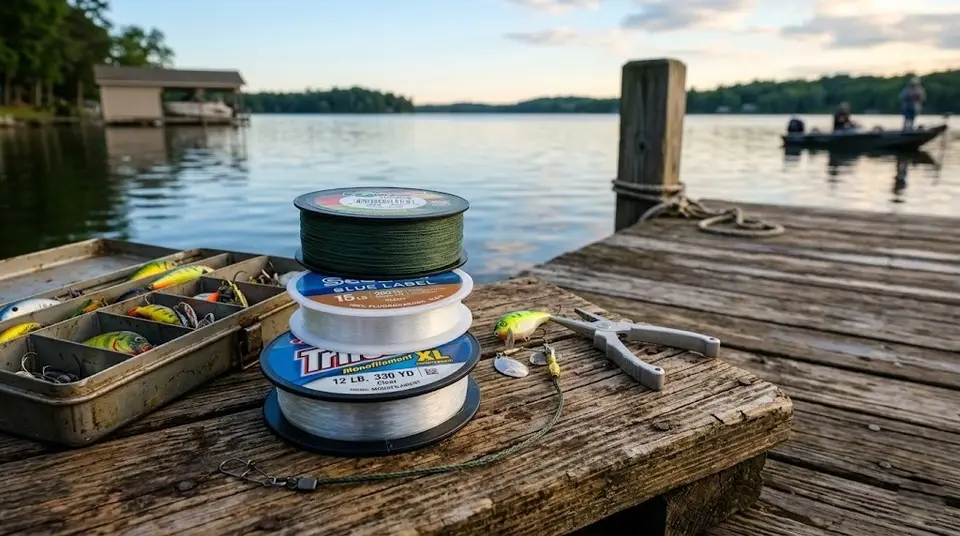
Fishing Line Explained
What monofilament, fluorocarbon and braided lines are and how they differ in stretch, buoyancy, visibility and diameter; backing, mainline, leader and tippet; wire leaders; fly lines; knots on braid; and why discarded line matters, following Wikipedia and state agency guides.
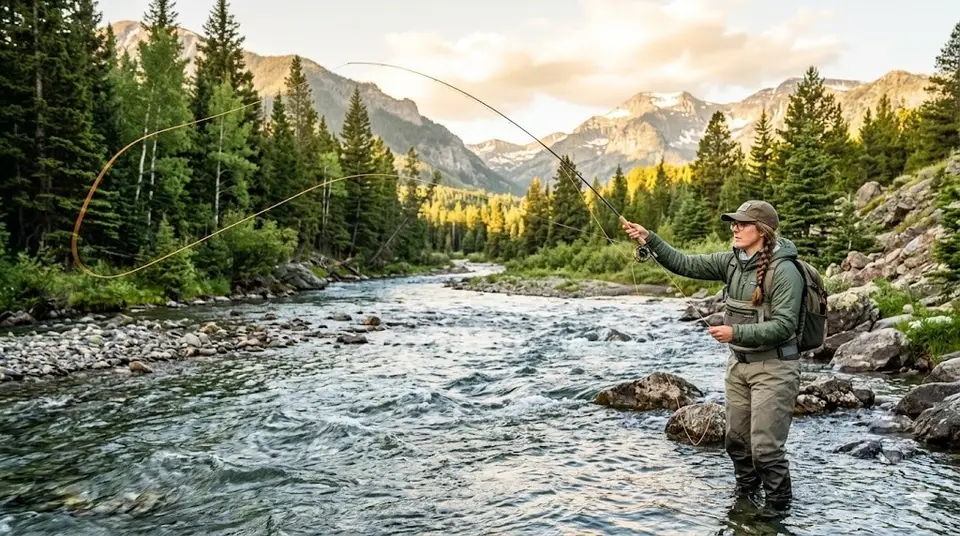
Fly Fishing for Absolute Beginners
How fly fishing differs from spinning, the short list of gear a beginner needs, New York DEC's starter rod, line, leader and flies for stream trout, the basic overhead cast step by step, where trout hold in a stream, and releasing fish.
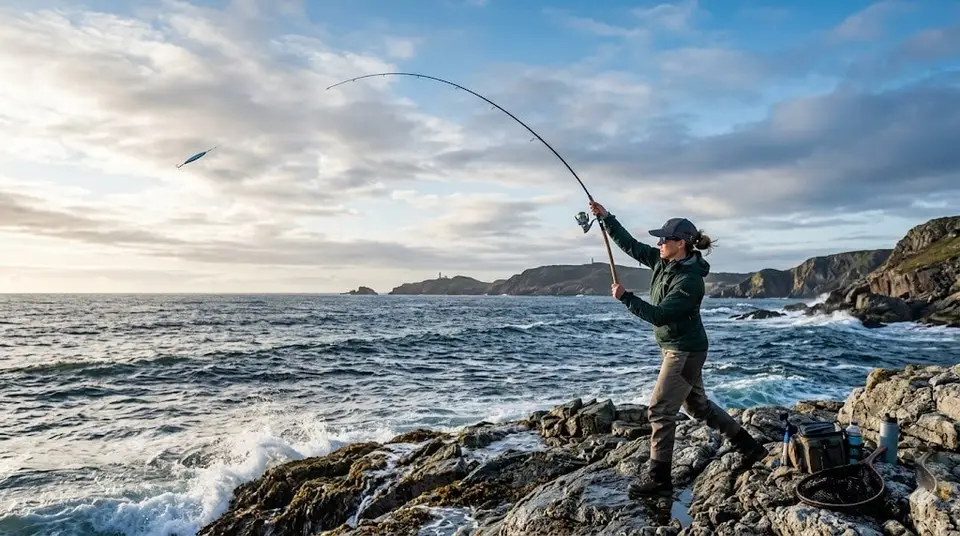
How to Cast Farther
How to cast farther and more accurately: grip, the clock-face timing of the overhead cast, release point, heavy lures, wind, and practice drills, following the Missouri Department of Conservation's casting guide.
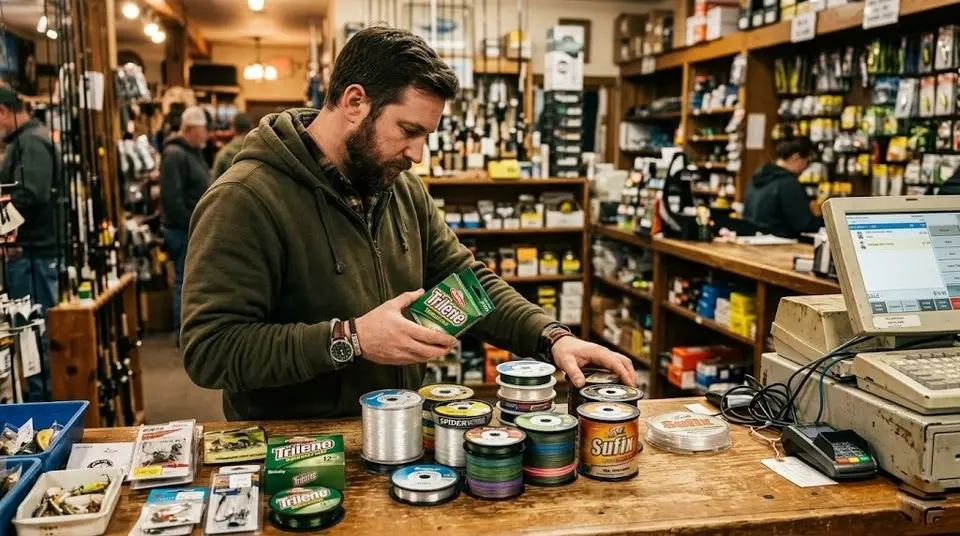
How to Choose Fishing Line
Choosing monofilament, fluorocarbon or braid by fish and situation, with the line strengths state agencies give for trout, bass, walleye and muskie, clear vs. murky water, braid with a leader, and when to replace line.
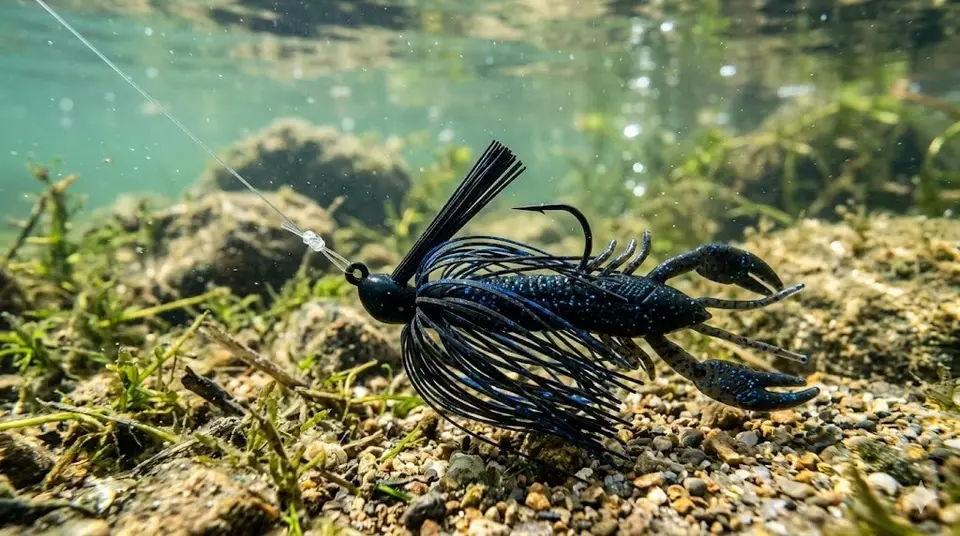
How to Fish a Jig
What a jig is, jighead shapes and weed guards, soft-plastic, bucktail and marabou bodies, the lift-and-fall and drag retrieves, feeling the bite and setting the hook, and jigs for bass, walleye, crappie and trout, following Wikipedia, the Missouri Department of Conservation, New York DEC and Arkansas Game and Fish.
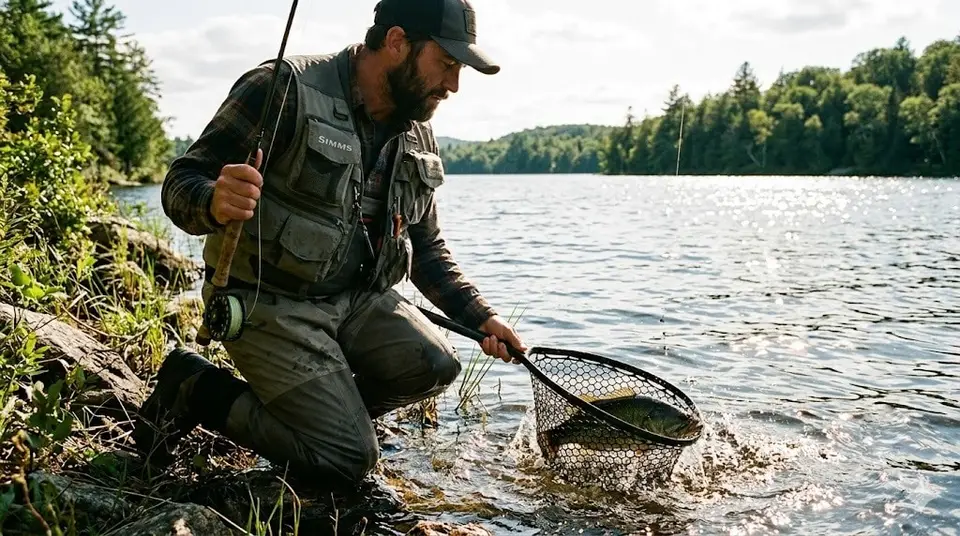
How to Land a Fish
The bite is just the beginning. How to spot a bite, set the hook (and when not to), fight a fish on the drag, land it with or without a net and hold it safely, following the Missouri Department of Conservation, NOAA Fisheries and South Carolina DNR.
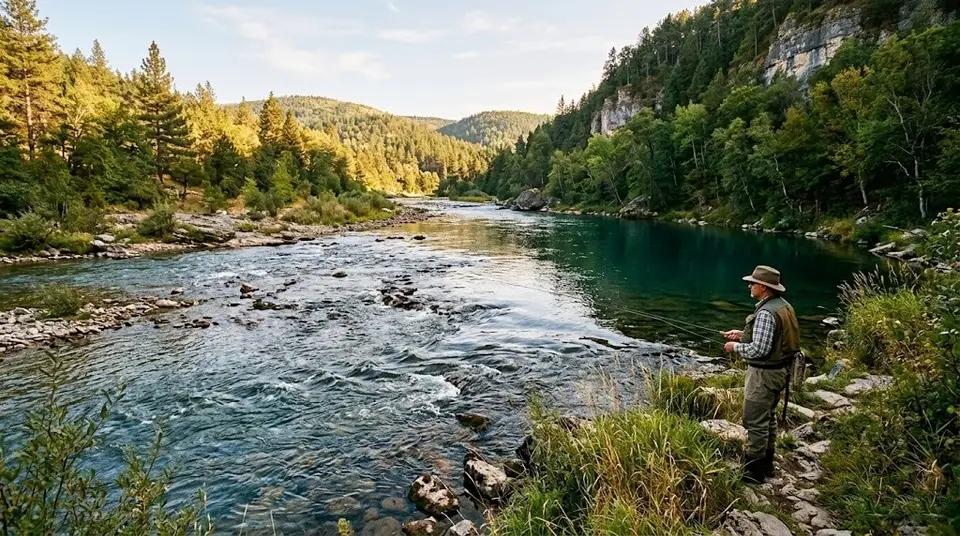
How to Read Water
Two anglers can fish the same lake on the same day and get completely different results. How to read structure, cover, edges, current, light, season and wind to find fish, following the Missouri Department of Conservation's guide to fish habitat.
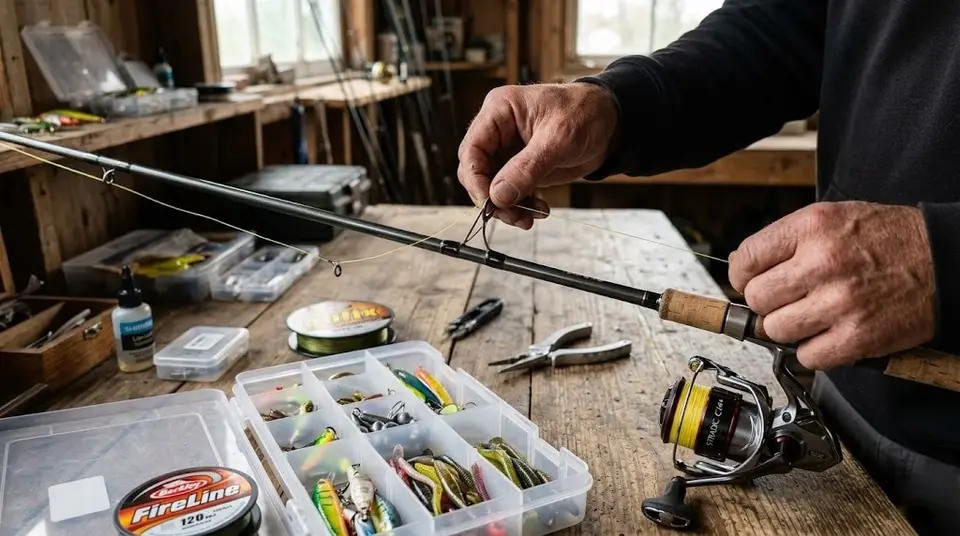
How to Set Up a Rod
Putting your gear together at the water: assembling the rod, fitting the reel, filling it with line, threading the guides, tying on a hook, rigging a bobber and setting the drag, following the Missouri Department of Conservation's beginner guides.
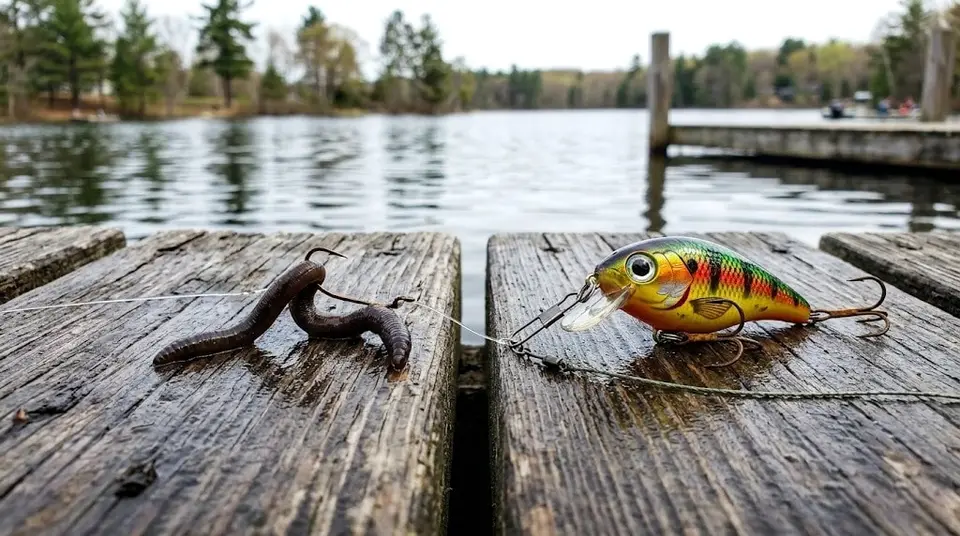
Live Bait vs Artificial Lures
Live bait or artificial lures? What each does well, how fish senses and the conditions should steer your choice, what bait suits which fish, and the rules on moving bait, following the Missouri Department of Conservation and NOAA Fisheries.
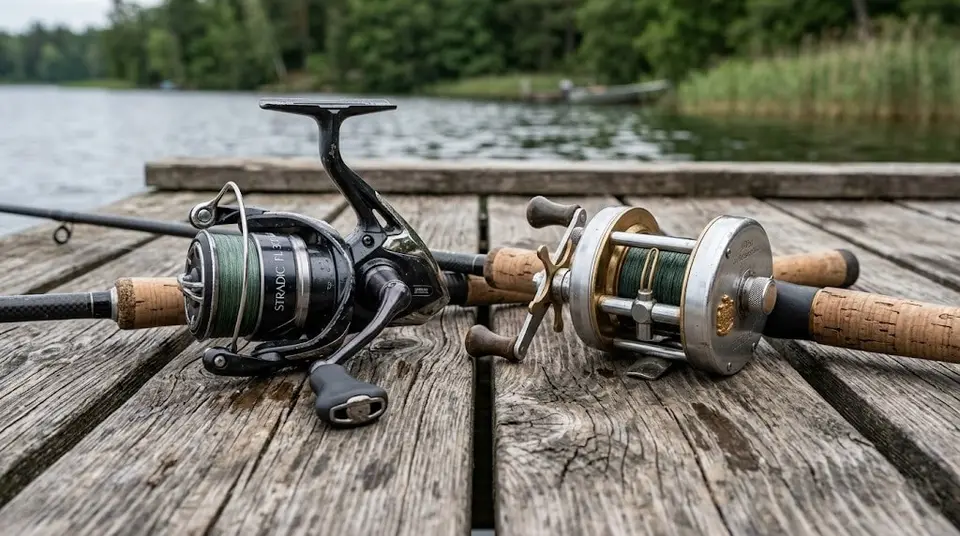
Spinning vs Baitcasting Reels
How spinning, baitcasting and spincast reels work, why spinning reels cast light lures easily and never backlash, why baitcasters give more control with heavier lures, line twist and how to avoid it, and what state agencies suggest for beginners.
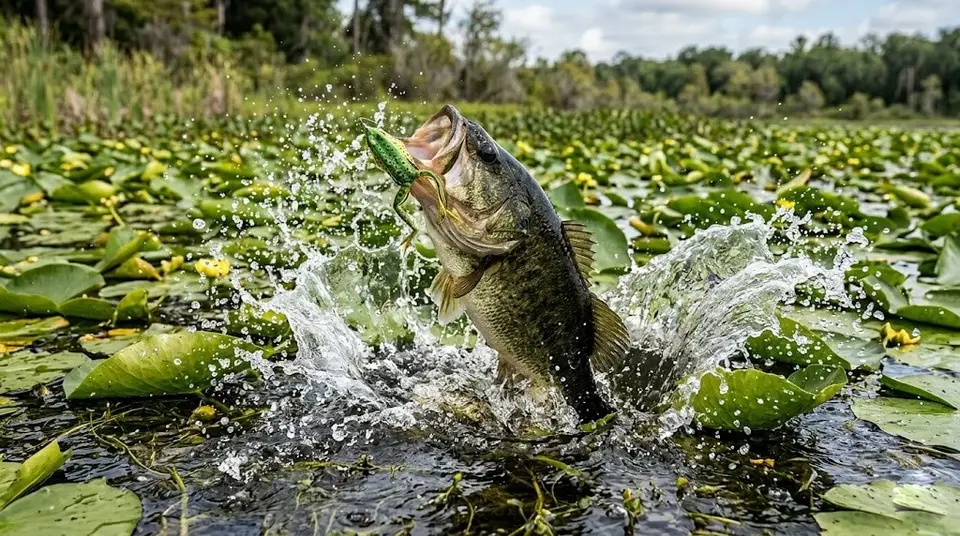
Topwater Fishing: A Complete Guide
Topwater lures make a commotion at the surface to imitate injured baitfish, frogs, mice and insects. Walking baits, poppers, crawlers, prop baits and buzzbaits, how to retrieve each, where to cast, when bass come up, and setting the hook.
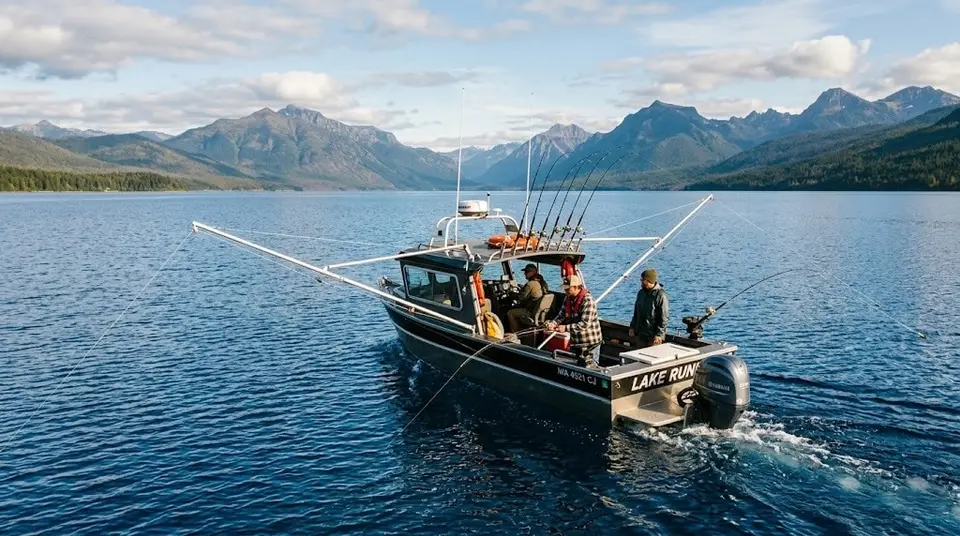
Trolling 101
Trolling draws lures or bait through the water at a steady, low speed. Why speed and depth matter, crankbaits, spoons and spinners for trolling, downriggers, planer boards and outriggers, walleye and muskie trolling from MDC, and the rules to check first.